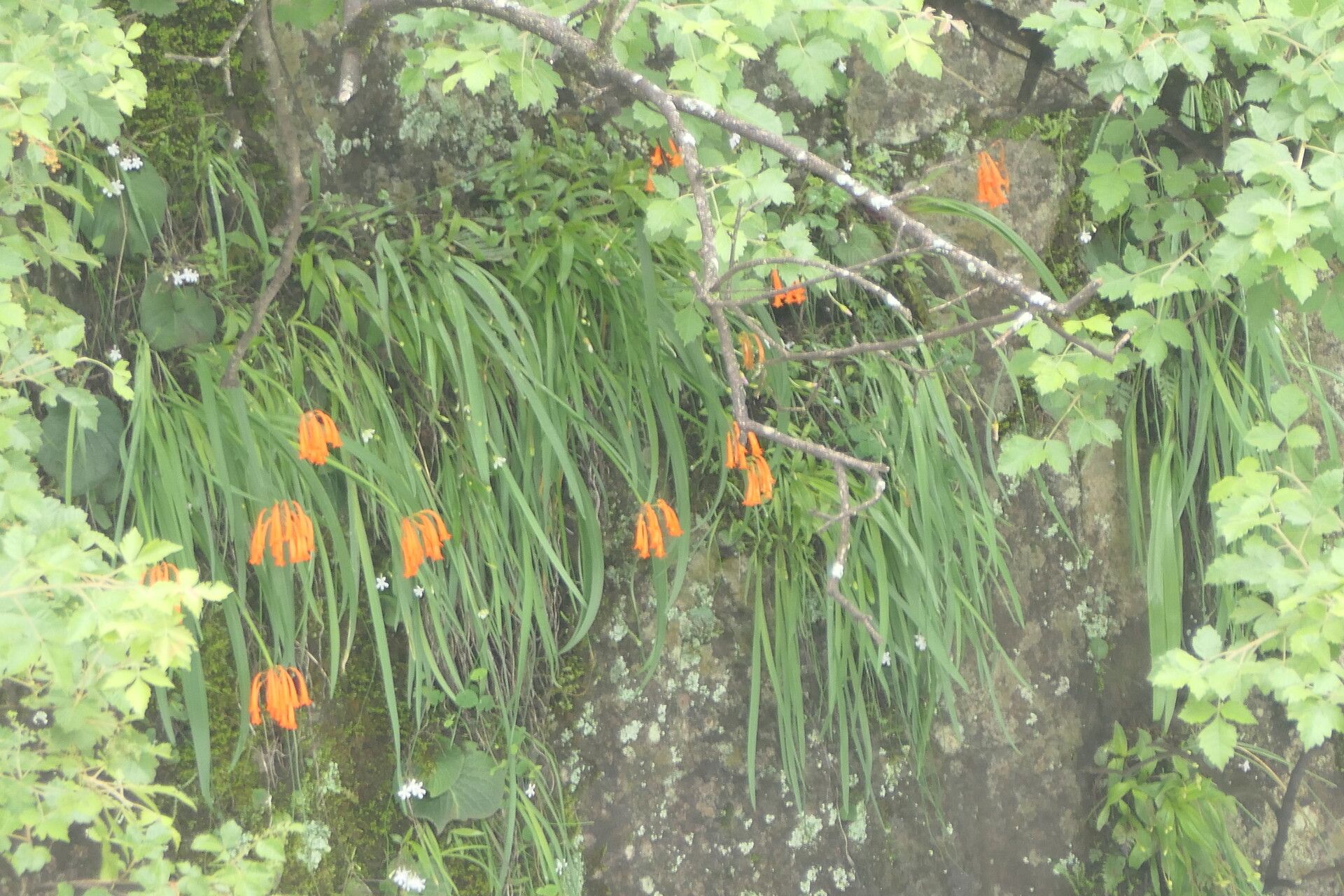
Well hello there, fellow plant lover! Today, I’m absolutely buzzing to share a little secret with you: how to get more of those delightful Cyrtanthus tuckii plants. If you’ve ever seen their cheerful, trumpet-shaped blooms gracing a garden or a windowsill, you know exactly the joy they bring. Their vibrant colors and elegant form are truly captivating, and multiplying them yourself? That’s a whole other level of gardening satisfaction.
Now, I won’t sugarcoat it – Cyrtanthus tuckii can be a tad particular. It’s not quite a “stick it in the ground and pray” kind of plant for absolute beginners. But with a little understanding and care, it’s definitely achievable, and oh-so-worth-it when you see those new little bulbs sending up their first leaves!
The Best Time to Start
For Cyrtanthus tuckii, your best bet is to propagate during its active growing season. Think of it as giving your plant the energy it needs to bounce back and create new life. This generally means late spring through early summer, after the flowering period has passed for most varieties and you’re seeing plenty of green growth. Avoid the urge to do it when the plant is dormant or stressed.
Supplies You’ll Need
Gathering your tools beforehand makes the whole process so much smoother. Here’s what I usually have on hand:
- Well-draining potting mix: A good starter mix with plenty of perlite or coarse sand is crucial. I often blend my own with equal parts peat moss, perlite, and a touch of compost.
- Sharp, clean pruning shears or a small knife: For making clean cuts to minimize damage and disease.
- A small pot or seed tray: Something shallow is often ideal for starting these.
- Watering can with a fine rose attachment: For gentle watering.
- Rooting hormone (optional but recommended): This can give your cuttings a little boost.
- Labels or markers: To keep track of what you’ve planted and when.
- A warm, bright location: Think a sunny windowsill or a grow light setup.
Propagation Methods
Cyrtanthus tuckii primarily propagates through division and, occasionally, offsets (those little baby bulbs that form around the parent). While stem cuttings aren’t typical for this bulbous plant, we can focus on the methods that work best.
Division: The Most Reliable Way
This is how most people successfully increase their Cyrtanthus collection.
- Gently excavate: When your plant is showing signs of new growth after flowering, carefully remove the entire plant from its pot. You want to be gentle with the roots.
- Identify the divisions: Look at the base of the parent bulb. You’ll often see smaller bulbs clustered around it, or you might notice distinct sections of the main bulb that have started to separate.
- Separate with care: Use your sharp shears or knife to gently separate the smaller bulbs from the main one. If they have their own root system attached, that’s perfect. If they are just tiny bulblets, that’s okay too; they’ll grow! Make sure each division has at least one visible bud or growth point.
- Pot them up: Plant each division in its own small pot, burying the bulb so that the top is just at or slightly below the soil surface. Don’t overcrowd them; give them a little breathing room.
- Water lightly: Give the newly potted divisions a gentle watering. You don’t want to saturate them immediately.
Growing from Offsets (Bulblets)
Sometimes, you’ll see tiny bulblets attached to the side of the main bulb.
- Carefully detach: If these bulblets have tiny roots, try to gently twist or cut them away from the parent bulb with minimal damage to both.
- Potting: Plant these tiny offsets in shallow trays filled with your well-draining mix, again, just burying them slightly.
- Patience is key: These little guys will take their time to establish. Keep the soil lightly moist.
The “Secret Sauce” (Pro Tips)
Here are a few things I’ve learned over the years that really make a difference:
- “Dry” starts can be your friend: After planting your divisions, I often let them sit for a few days without watering. This helps any small wounds on the bulbs to callus over, reducing the risk of rot. Then, I water gently.
- Bottom heat for boosters: If you’re dealing with really slow starters or want to give them an extra nudge, placing their pots on a gentle heat mat can really encourage root development. Just a few degrees above room temperature is usually plenty.
- Don’t rush the re-potting: Once you see strong new growth and a healthy root system, resist the urge to immediately put them into a huge pot. Cyrtanthus tuckii often prefers to be a little snug, and they can flower better when slightly pot-bound.
Aftercare & Troubleshooting
Once your divisions start showing happy new leaves, it’s time to treat them like their parent!
- Watering: Water them when the top inch of soil feels dry. They don’t like to be waterlogged, but they also don’t want to dry out completely.
- Light: Provide them with bright, indirect light. A sunny windowsill is often perfect, but watch out for harsh midday sun that can scorch delicate new leaves.
- Feeding: Once they’re actively growing, you can start feeding them with a diluted liquid fertilizer, perhaps once a month during the growing season.
Common Signs of Trouble:
- Rot: This is the most common culprit. It usually indicates too much moisture or poor drainage. If a bulb feels mushy and smells off, it’s likely gone. Remove it immediately to prevent it from spreading.
- Yellowing leaves: This can be a sign of overwatering, underwatering, or a lack of nutrients. Assess your watering schedule and consider a light feeding.
- Stunted growth: This might just mean they need more time, or perhaps they’re not getting enough light or nutrients.
A Little Encouragement
Witnessing a new plant emerge from a humble division is one of gardening’s greatest joys. Remember to be patient with your Cyrtanthus tuckii propagations. They have their own rhythm, and sometimes it takes a little while for them to settle in and show their stuff. Enjoy the process, learn from each step, and before you know it, you’ll have a beautiful collection to admire. Happy gardening, my friends!
Resource:
https://identify.plantnet.org/k-world-flora/species/Cyrtanthus%20tuckii%20Baker/data