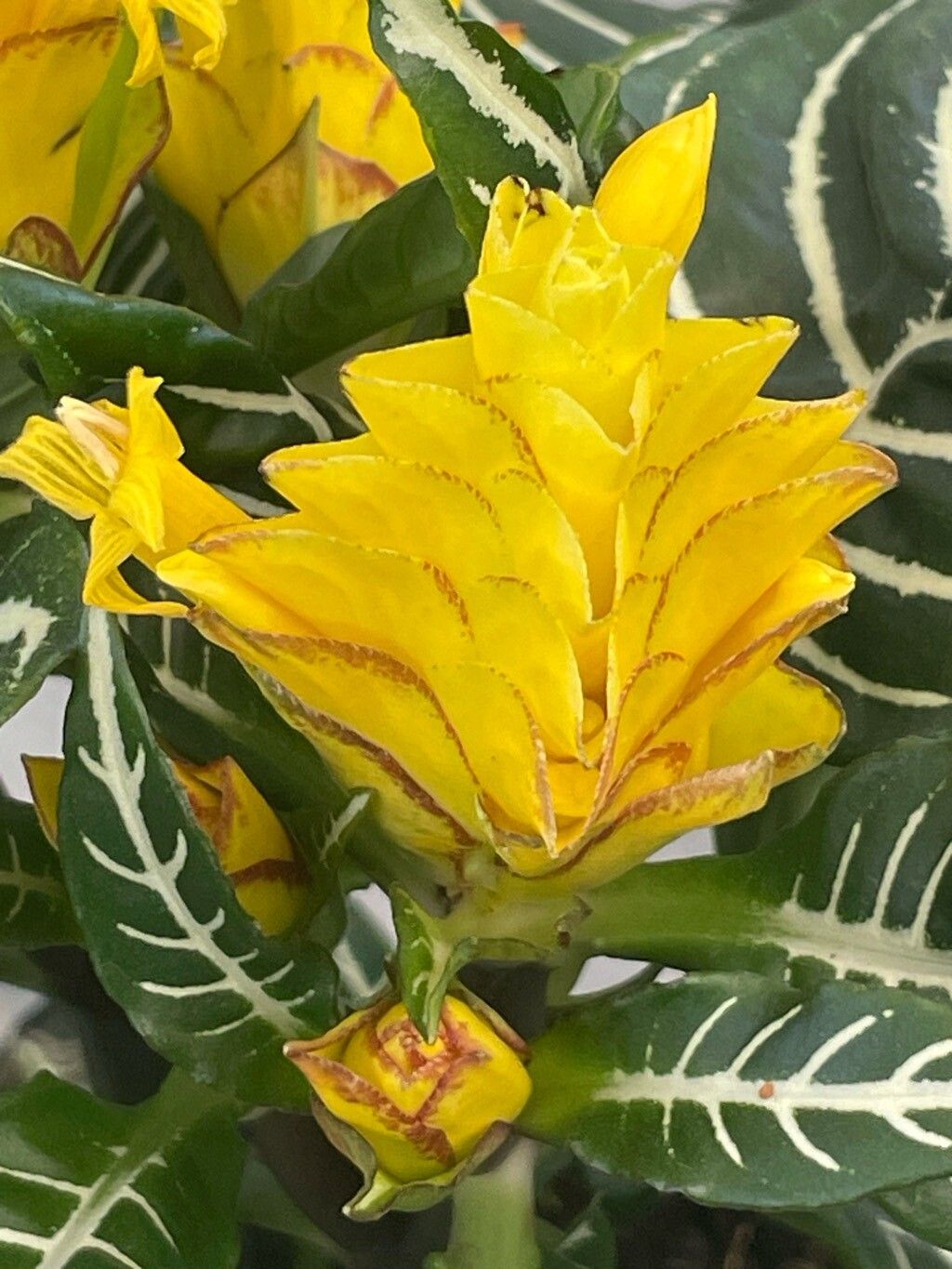
Oh, hello there! I’m so glad you’re interested in propagating Aphelandra squarrosa, or the Zebra Plant as it’s affectionately known. Its dramatic, deep green leaves with striking white veins are just stunning, aren’t they? Growing more of these beauties from your existing plants is incredibly satisfying. Now, I have to be honest, the Zebra Plant isn’t quite as straightforward as, say, a pothos, but don’t let that deter you. With a little patience and these tips, you’ll be well on your way to successful propagation. It’s a wonderfully rewarding project for the dedicated home gardener!
The Best Time to Start
For the very best chance of success, aim to propagate your Aphelandra squarrosa in the spring or early summer. This is when the plant is actively growing and has the most energy. You want to take cuttings from healthy, new growth that’s not yet woody. Think of it as catching the plant at its most vigorous!
Supplies You’ll Need
Before we dive in, let’s gather our tools. Having everything ready makes the process so much smoother.
- Sharp, clean pruning shears or a sterile knife: You want clean cuts to prevent disease.
- Rooting hormone powder or gel: This is a helpful boost for encouraging root development.
- A well-draining potting mix: I like to use a mix of equal parts peat moss (or coco coir) and perlite. Some growers also enjoy adding a bit of coarse sand.
- Small pots or plastic containers: Clean ones are a must!
- A plastic bag or clear plastic dome: To create a humid environment for your cuttings.
- Optional: A heat mat: This can significantly speed up rooting, especially in cooler conditions.
- Optional: Water: For a quick experiment or initial rooting phase.
Propagation Methods
We’ll focus on the most reliable method for Zebra Plants: stem cuttings.
Stem Cuttings: Your Best Bet
- Select Your Cutting: Look for a healthy stem on your mature Zebra Plant. You want a piece that’s about 4-6 inches long and has at least two sets of leaves. Gently bend a leaf; if the stem snaps easily, it’s usually a good candidate. Avoid old, woody stems.
- Make the Cut: Using your clean pruning shears or knife, make a clean cut just below a leaf node. This is the point where a leaf grows from the stem. This node is where roots are most likely to form.
- Prepare the Cutting: Gently remove the lower leaves from the cutting, leaving just the top two or three leaves. This prevents them from rotting in the soil or water.
- Apply Rooting Hormone: Dip the cut end of the stem into your rooting hormone powder or gel. Just coat the bottom inch or so. Tap off any excess.
- Potting Up: Fill your small pots with your prepared potting mix. Moisten the mix slightly, but don’t make it soggy.
- Planting the Cutting: Make a small hole in the center of the soil with your finger or a pencil. Insert the hormone-coated end of the cutting into the hole, ensuring the leaf nodes you cleared are buried. Gently firm the soil around the stem.
- Create Humidity: Water gently. Then, cover the pot with a clear plastic bag, making sure the leaves don’t touch the plastic. You can use small stakes to keep the bag from collapsing. Alternatively, use a clear plastic dome.
- Placement: Place the pot in a bright location with indirect light. Avoid direct sunlight, as it can scorch the tender cuttings. If you have a heat mat, place the pot on top of it.
Water Propagation (for those who like to watch!)
While less common for Zebra Plants due to potential rot issues, you can try water propagation.
- Follow steps 1-3 above.
- Fill a small glass or jar with clean water.
- Place the cutting in the water, ensuring no leaves are submerged.
- Place in bright, indirect light. Change the water every few days to keep it fresh.
- Once you see small root nubs forming, you can transplant the cutting into soil (follow step 5 onwards for potting up).
The “Secret Sauce” (Pro Tips)
Here are a couple of things I’ve learned over the years that really make a difference:
- Don’t Let the Leaves Touch the Water (or Soil for too long)! This is crucial. If the lower leaves are in water or buried too deeply in damp soil, they’re prone to rotting. Rot is the enemy of propagation! Always trim them off.
- Bottom Heat is Your Friend: If you’re struggling to get roots, especially during cooler months, investing in a small seedling heat mat makes a world of difference. It provides gentle warmth to the soil, encouraging root development from the bottom up. Zebra Plants love a little warmth around their roots.
Aftercare & Troubleshooting
Once your cutting has been in the pot for a few weeks, you might start to see signs of life!
- Root Check: Gently tug on the cutting. If you feel resistance, it’s likely developing roots. You might also see new leaf growth.
- Acclimatization: Once roots have formed and new growth is evident, gradually remove the plastic cover over a few days. You want to slowly introduce the new plant to normal humidity levels.
- Moving Up: Once the plant is established in its small pot, you can move it to a slightly larger container with fresh potting mix. Treat it like a young Zebra Plant, with consistent moisture and bright, indirect light.
Troubleshooting:
- Wilting: This can happen if the cutting is too dry, or sometimes if you’ve gone from a very humid environment straight to dry air. Don’t let the soil dry out completely, but also avoid overwatering.
- Rotting: If the stem turns mushy and black, it’s likely rot. This is usually due to too much moisture and poor air circulation. Unfortunately, a rotted cutting is usually a goner. You can try to salvage a healthy section if possible, but prevention (good drainage, air circulation) is key.
- No Roots: Be patient! Some cuttings take longer than others. If you’ve given it a good few weeks and see no signs, try making a fresh cutting and starting again, perhaps using bottom heat.
A Warm Encouragement
Propagating plants is a dance with nature, and sometimes it takes a few tries. Don’t get discouraged if your first attempt isn’t a roaring success. Each plant you successfully grow from a cutting is a little victory. Cherish the process, learn from your observations, and enjoy the quiet magic of bringing new life into your home. Happy propagating!
Resource:
https://identify.plantnet.org/k-world-flora/species/Aphelandra%20squarrosa%20Nees/data