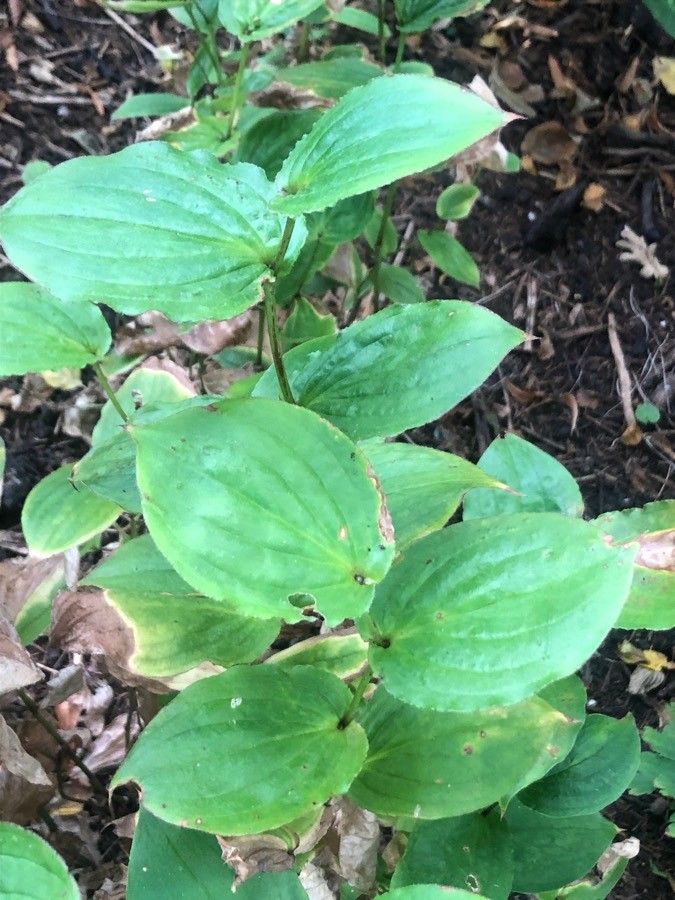
Oh, hello there! So, you’ve fallen in love with the elegance of Tricyrtis macropoda, haven’t you? Those spotted toad lilies are just darling, aren’t they? They bring such a unique charm to shady corners, with their delicate, orchid-like blooms appearing late in the season when so many other flowers have faded. Propagating them yourself is incredibly rewarding. You get to share this beauty with friends or simply fill your own garden with more of these treasures. Don’t worry, while it might seem a little involved at first glance, Tricyrtis macropoda is quite manageable for most home gardeners. You’ll have a little green army in no time!
The Best Time to Start
My favorite time to get busy with propagation is late spring to early summer. This is when the plant is actively growing, producing fresh, vigorous shoots. You’ll find it much easier to get successful rooting and establishment when things are really buzzing with life. Wait until the new shoots are a good few inches tall and have started to mature a bit.
Supplies You’ll Need
Here’s what you’ll want to have on hand for this little project:
- Sharp, clean pruning shears or a sharp knife: Essential for making clean cuts.
- Rooting hormone powder (optional but recommended): Helps encourage root development.
- Well-draining potting mix: A good blend for me is about 50% peat moss or coco coir and 50% perlite or coarse sand.
- Small pots or trays: Clean containers are key to avoiding disease.
- Plastic bags or a propagation dome: To create a humid environment.
- A spray bottle: For gentle misting.
- A small trowel or dibber: For making planting holes.
Propagation Methods
For Tricyrtis macropoda, division is your most reliable and straightforward method. It’s like dividing your plants into happy families!
Division:
- Dig it up: Gently dig up the entire plant. It’s best to do this when the soil is slightly moist, making it easier to lift.
- Clean the roots: Carefully brush away excess soil from the root ball so you can see the structure of the plant.
- Find the divisions: Look for natural breaks in the rhizomes (the thick, creeping stems that grow just below the surface) or where clumps of stems arise from separate root masses. You’re looking for sections that have both roots and at least one healthy shoot or bud.
- Separate gently: You can often pull the divisions apart with your hands. If they’re stubborn, use a clean knife or your pruning shears to cut through tougher rhizomes. Be patient; you don’t want to damage the precious roots!
- Pot them up: Plant each division in its own pot filled with your well-draining potting mix. Make sure the top of the rhizome is just at or slightly below the soil surface. Don’t plant them too deep!
- Water gently: Water them thoroughly but gently to settle the soil around the roots.
The “Secret Sauce” (Pro Tips)
Now, a few little tricks I’ve picked up over the years that can really boost your success:
- Give them a little spa day: After dividing, I often dip the cut ends of the rhizomes in a fungicide before potting. It’s an extra step, but it significantly reduces the risk of rot, especially if things get a little too damp.
- Don’t drown them: While they need moisture, overwatering is the quickest way to kill a new division. Water thoroughly once after potting, then wait until the top inch of soil feels dry before watering again. You’re aiming for consistently moist, not soggy.
- Location, location, location: Newly divided Tricyrtis appreciate bright, indirect light and protection from harsh sun and strong winds. A shaded spot on your porch or under a larger garden plant works wonderfully.
Aftercare & Troubleshooting
Once your divisions are potted, keep them in a humid environment. Covering the pots with a clear plastic bag (making sure the leaves don’t touch the plastic!) or using a propagation dome works wonders. Mist them lightly with water every few days if the soil seems to be drying out too quickly.
If you see wilting and yellowing leaves on a division, it could be a few things. It might be shock, which is normal. But if it persists and the stems feel mushy or the soil smells foul, that’s a sign of rot. This is usually due to too much water and not enough air circulation. If you suspect rot, carefully unpot the division and remove any mushy parts with a clean knife. Let the healthy parts dry out for a day or two before repotting in fresh, dry soil.
A Encouraging Closing
Propagating Tricyrtis macropoda is a lovely way to expand your collection and share these unique beauties. Remember to be patient; growth can sometimes be slow, especially at first. Enjoy the process, get your hands in the soil, and before you know it, you’ll have more of these delightful spotted wonders to admire and share! Happy gardening!
Resource:
https://identify.plantnet.org/k-world-flora/species/Tricyrtis%20macropoda%20Miq./data