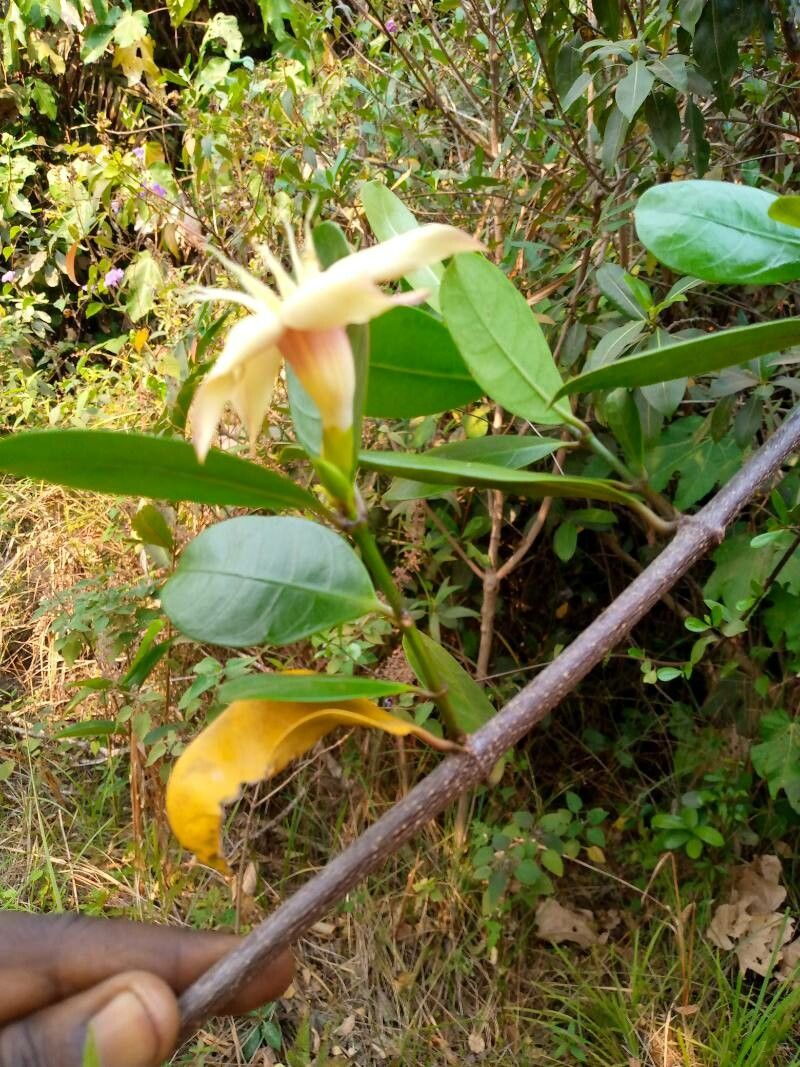
Oh, Strophanthus gardeniiflorus! What a truly magnificent plant to want to invite more of into your life. Those elegant, often fragrant, trumpet-shaped flowers are just breathtaking, aren’t they? And the way they bloom, often in a cascade, makes them a real showstopper in any garden brave enough to host them. I’ve spent two decades nurturing these beauties, and I can tell you, coaxing a new little Strophanthus into existence is an incredibly rewarding feeling. It’s not the most straightforward plant for absolute beginners, mind you, but with a little guidance and a lot of patience, you’ll be well on your way to success.
The Best Time to Start
For Strophanthus gardeniiflorus, I find the absolute sweet spot for propagation is late spring to early summer. This is when the plant is actively growing and has plenty of energy to put into developing new roots. You want to be working with healthy, vigorous stems that are putting out new growth, but not yet flowering. Avoid taking cuttings from plants that look stressed or are in a period of dormancy.
Supplies You’ll Need
Here’s what I like to have on hand before I get started:
- Sharp, clean pruning shears or a sterile knife: A clean cut is crucial to prevent disease.
- Rooting hormone (optional, but recommended): This can significantly boost your success rate. Look for one specifically for woody cuttings.
- A well-draining potting mix: I usually mix equal parts perlite, peat moss, and a good quality potting soil. Some gardeners swear by coir, which is also a good option.
- Small pots or propagation trays: Ensure they have drainage holes.
- A plastic bag or a clear propagation dome: This will create a humid environment around your cuttings.
- Watering can or spray bottle: For gentle watering.
- Bottom heat source (optional, but a game-changer): A seedling heat mat can really accelerate root development.
Propagation Methods
I’ve had the most luck with stem cuttings for Strophanthus gardeniiflorus. It’s a reliable method if you get the conditions right.
Stem Cuttings:
- Select your cutting: Look for a healthy stem that’s about 4-6 inches long. It should have at least two sets of leaves.
- Make the cut: Using your clean shears or knife, make a clean cut just below a leaf node. This is the point where a leaf attaches to the stem, and it’s where roots are most likely to form.
- Prepare the cutting: Gently remove the lower leaves from your cutting, leaving just the top 2-3 leaves. If the remaining leaves are very large, you can cut them in half horizontally to reduce water loss through transpiration.
- Apply rooting hormone: Dip the cut end of the stem into your rooting hormone powder, tapping off any excess.
- Pot up your cutting: Fill your pot or tray with your prepared potting mix. Make a small hole in the center with your finger or a pencil.
- Insert the cutting: Gently place the hormone-coated end of the cutting into the hole and firm the soil gently around it.
- Water gently: Water thoroughly but with a gentle stream so you don’t disturb the cutting or soil too much.
- Create humidity: Cover the pot with a plastic bag or propagation dome. Open it for a few minutes each day to allow for air circulation and to prevent fungal growth.
The “Secret Sauce” (Pro Tips)
Here are a few little tricks I’ve learned over the years that make a big difference:
- Don’t let the leaves touch the water in the propagation bag. If they’re wilting and touching the damp soil, they become susceptible to rot. You can gently prop them up with a small stick or trim them further if needed.
- Bottom heat is your friend! Strophanthus roots just love a little warmth from below. A seedling heat mat set to around 70-75°F (21-24°C) can make a world of difference, speeding up rooting significantly and reducing the chance of rot.
- Be patient with the water. When you water your cuttings, make sure the soil is moist but never waterlogged. Soggy conditions are a fast track to disappointment. I often find that watering once thoroughly and then relying on the humidity in the bag is enough, checking the soil moisture every few days.
Aftercare & Troubleshooting
Once you see new leaf growth appearing on your cutting, that’s a fantastic sign that roots are starting to form! You can gently tug on the cutting to feel for resistance – if it doesn’t come loose easily, roots are likely present. Gradually start to acclimate your new plant to normal humidity by opening the bag or dome for longer periods over a week or two. Continue to keep the soil consistently moist but not wet.
The most common issue you’ll face is rot. If your cutting turns black and mushy, it’s a sure sign of overwatering or insufficient air circulation. Unfortunately, once rot sets in, it’s usually game over for that particular cutting. If you notice mold on the soil surface, remove it promptly and ensure better airflow.
A Encouraging Closing
Propagating Strophanthus gardeniiflorus is a journey, and like all good journeys, it requires patience and observation. Don’t be disheartened if your first few attempts aren’t perfect. Each attempt teaches you something new. Celebrate the small victories, learn from any setbacks, and most importantly, enjoy the process of creating new life from an existing treasure. Happy gardening!
Resource:
https://identify.plantnet.org/k-world-flora/species/Strophanthus%20gardeniiflorus%20Gilg/data