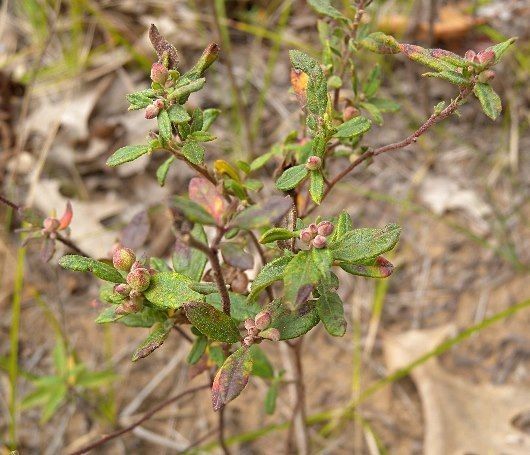
Oh, hello there, fellow plant lover! I’m so glad you’ve found your way here. Today, we’re going to talk about a real gem for the garden – Paronychia fastigiata. If you haven’t met it yet, imagine a carpet of tiny, silvery-white bracts that look like a dusting of star-like flowers, all held aloft on wiry, upright stems. It’s absolutely charming and brings a wonderful texture and luminescence to rock gardens, borders, or even containers. The best part? Bringing more of this beauty into your life through propagation is incredibly rewarding. For beginners, I’d say Paronychia fastigiata is a pretty friendly plant to work with when it comes to making more of it. You’ll likely find success with a little patience.
The Best Time to Start
My absolute favorite time to get busy with propagating Paronychia fastigiata is late spring to early summer. This is when the plant is actively growing after the chill of winter has passed, and it has plenty of energy to put into developing new roots. You’re looking for those fresh, vibrant stems that aren’t yet woody, but have started to firm up a bit.
Supplies You’ll Need
Gathering your supplies beforehand makes the whole process so much smoother. Here’s what I always have on hand:
- Sharp pruning shears or a clean knife: For clean cuts.
- Rooting hormone (optional but helpful): A powder or gel.
- Well-draining potting mix: I like a blend of equal parts peat moss or coco coir, perlite, and a little coarse sand. You want it to drain like a sieve!
- Small pots or trays: Clean ones, of course.
- Plastic bags or a propagator: To create a humid environment.
- Watering can with a fine rose: For gentle watering.
Propagation Methods
Paronychia fastigiata is a champ when it comes to stem cuttings. It’s straightforward, and I’ve had fantastic results with this method.
- Take Your Cuttings: Gently snip off healthy, non-flowering stems that are about 3-4 inches long. Make your cut just below a leaf node (where a leaf attaches to the stem).
- Prepare the Cuttings: Carefully remove the lower leaves, leaving just a couple at the very top. This prevents them from rotting when you plant them. If you’re using rooting hormone, lightly dip the cut end into it now.
- Plant Your Cuttings: Fill your small pots with the well-draining potting mix. Make little holes with a pencil or your finger and gently insert the cuttings, about one inch deep. Firm the soil gently around them.
- Create a Humid Environment: Water the soil lightly. Then, cover the pots with a plastic bag, holding it up with small stakes so it doesn’t touch the leaves, or place them in a snug propagator. This keeps the humidity high, which is crucial for cuttings to develop roots before the soil dries out.
If you’re feeling adventurous, you can also try water propagation with Paronychia fastigiata. It’s a bit more visual!
- Prepare Cuttings: Follow steps 1 and 2 above.
- Place in Water: Put your prepared cuttings into a small jar or glass of clean water. Make sure no leaves are submerged. Leaves in the water will just rot.
- Find a Good Spot: Place the jar in a bright location, but out of direct, scorching sunlight.
- Change Water Regularly: Change the water every few days to keep it fresh and prevent bacterial growth.
The “Secret Sauce” (Pro Tips)
Now, for a couple of little tricks I’ve picked up over the years that can really make a difference when propagating this lovely plant.
- Don’t Get Greedy with the Water: When planting cuttings, I always ensure the soil is moist, but not soggy. Overwatering is the quickest way to a rot party down in the pot, and honestly, Paronychia fastigiata prefers it a bit on the drier side, even when rooting.
- A Little Warmth Goes a Long Way: If you’re propagation indoors, especially if it’s still a bit cool outside, placing your pots on a heat mat can dramatically speed up root development. It mimics that lovely warmth of spring and really encourages those roots to get going.
Aftercare & Troubleshooting
Once your cuttings have developed a good root system – you’ll see them starting to peek out the drainage holes or feel a bit of resistance when gently tugged – it’s time for their own little pot. Gently transplant them into their own small pots with your favorite well-draining mix. Continue to keep them in a bright, but not scorching, location and water them when the top inch of soil feels dry.
The most common issue you might encounter is rot. This usually happens if the soil stays too wet for too long or if the humidity is too high without enough air circulation. If you see your cuttings wilting, turning mushy, or developing dark spots, it’s often a sign of too much moisture. Pull out any affected cuttings immediately and try to improve drainage or airflow. Don’t get discouraged if a few don’t make it – it’s all part of the learning process!
A Encouraging Closing
Making more Paronychia fastigiata is a wonderful way to fill your garden with its airy charm. Be patient with your new little plants. They might seem slow to start, but with a little care and the right conditions, they’ll reward you with healthy growth. Enjoy the journey of nurturing them from a tiny cutting to a thriving addition to your garden. Happy propagating!
Resource:
https://identify.plantnet.org/k-world-flora/species/Paronychia%20fastigiata%20(Raf.)%20Fernald/data