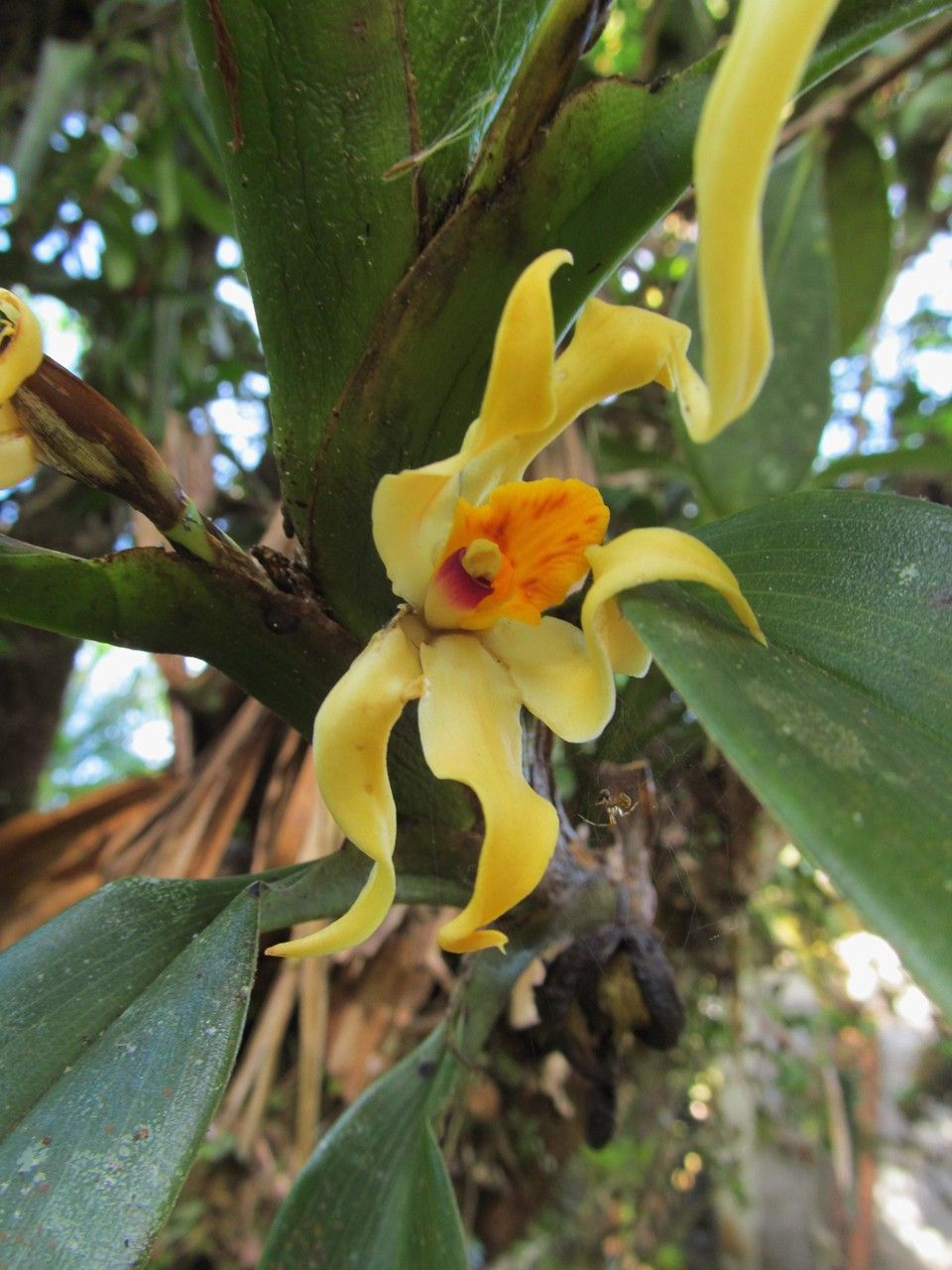
Hello, fellow plant lovers! I’m so excited to chat with you today about a truly delightful orchid: Maxillaria inaudita. If you haven’t met this beauty yet, imagine miniature, waxy flowers, often with a lovely fragrance, appearing on robust stems. They have this wonderfully wild, yet elegant, presence that can bring so much character to a collection. And the best part? You can absolutely bring more of this magic into your home by propagating them!
Some orchids can be a bit intimidating to get started with, but I find Maxillaria inaudita to be relatively forgiving. It’s a great choice for those looking to dip their toes into orchid propagation. The satisfaction of watching a new plant sprout from a piece of your beloved orchid is truly unparalleled. You’re essentially becoming a plant creator!
The Best Time to Start
Generally, the sweet spot for propagating Maxillaria inaudita is during its active growing season. For most home growers, this means late spring through early summer, after the plant has finished its blooming cycle and is putting out new shoots and roots. You want to work with a healthy, vigorous plant that has plenty of stored energy to dedicate to new growth. Avoid propagating when the plant is stressed, dormant, or in the middle of a major bloom.
Supplies You’ll Need
Here’s what I always have on hand when I’m ready to propagate:
- Sharp Pruning Shears or a Clean Knife: For making clean cuts. Sterilize them between uses!
- Well-Draining Potting Mix: A bark-based orchid mix is ideal. You can also create your own with a blend of fine orchid bark, perlite, and a bit of sphagnum moss.
- Small Pots or Growing Containers: These should have good drainage. Yogurt cups with holes poked in the bottom work in a pinch.
- Horticultural Charcoal: A little bit can be mixed into your potting mix or sprinkled on cuts to help prevent rot.
- Rooting Hormone (Optional but Recommended): A powder or gel designed for orchids can give your cuttings a helpful boost.
- Spray Bottle: For lightly misting.
- Clear Plastic Bags or a Propagator: To create a humid environment.
Propagation Methods
The most straightforward and successful method for propagating Maxillaria inaudita is through division. These orchids tend to grow in clumps, and separating these clumps is a natural way to create new plants.
Propagation by Division:
- Gently Remove from Pot: Carefully take your Maxillaria inaudita out of its current pot. If it’s very root-bound, you might need to gently work the roots loose or even cut away the old pot.
- Clean the Roots: Gently brush away as much of the old potting mix as you can from the root ball. This allows you to see the structure of the plant and where divisions can be made.
- Identify Divisions: Look for natural breaks in the pseudobulbs (the thickened stems at the base of the leaves). Ideally, you want to divide the plant into sections that have at least 2-3 healthy pseudobulbs and a good amount of active roots.
- Make the Cut: Using your sterilized pruning shears or knife, carefully cut or pull apart the sections. Try to keep the root systems as intact as possible on each new division. It’s okay if a few roots break; just try to minimize the damage.
- Trim and Treat: If any pseudobulbs look old or shriveled, you can trim them away. For any cut surfaces (on the rhizome or the roots), it’s a good idea to dust them with horticultural charcoal. If you’re using rooting hormone, apply a little to the cut ends of the rhizome.
- Pot Up New Divisions: Plant each division in its own small pot filled with your fresh, well-draining orchid mix. Position the pseudobulbs so they are upright and the base is at the soil level, similar to how they were growing before.
- Initial Watering: Water sparingly at first. You want the mix to be slightly moist, not waterlogged.
The “Secret Sauce” (Pro Tips)
After years of coaxing orchids to grow, I’ve learned a few tricks that really make a difference:
- Don’t Be Afraid of “Old” Pseudobulbs: Sometimes, the older, shriveled pseudobulbs look sad, but they can still hold vital reserves. As long as they are firm and not rotten, try to keep at least one or two attached to a division, as they can help the new growth establish.
- Mimic the Tropics with Humidity: After potting, place your new divisions in a clean propagator or cover them loosely with a clear plastic bag to create a humid microclimate. This helps the plant conserve moisture while it’s trying to root. Just ensure there’s some air circulation to prevent fungal issues.
- Patience is Key with Roots: Maxillaria inaudita can be a bit slow to develop new roots. I often leave my divisions without watering for a few days after potting to allow any tiny root injuries to heal, then water very lightly. You won’t see significant root growth for several weeks, so don’t panic!
Aftercare & Troubleshooting
Once your divisions have started to establish – you might see new root tips emerging or new leaf growth – you can gradually transition them to their regular care routine. Continue to mist lightly and keep them in your humid setup for a bit longer. As they become more robust, you can gradually increase light and air circulation.
The most common issue you’ll encounter is rot. If you see pseudobulbs turning black and mushy, it’s a sign of overwatering or poor air circulation. If this happens, remove the affected part immediately with your sterilized tool, dusting any cuts with charcoal. Sometimes, rot can be fatal to a division, but don’t get discouraged. Learn from it and adjust your watering or humidity. Yellowing leaves without new growth can also indicate the plant is struggling to establish roots, so re-evaluate your humidity and light levels.
A Gentle Encouragement
Growing plants from cuttings is a journey, and every step is a learning experience. Be patient with your new Maxillaria inaudita babies. They’ll tell you what they need with time. Celebrate the small victories – the first new root, the unfurling of a new leaf. Enjoy the process of nurturing life, and soon you’ll have even more of these delightful orchids to admire and share! Happy growing!
Resource:
https://identify.plantnet.org/k-world-flora/species/Maxillaria%20inaudita%20Rchb.f./data