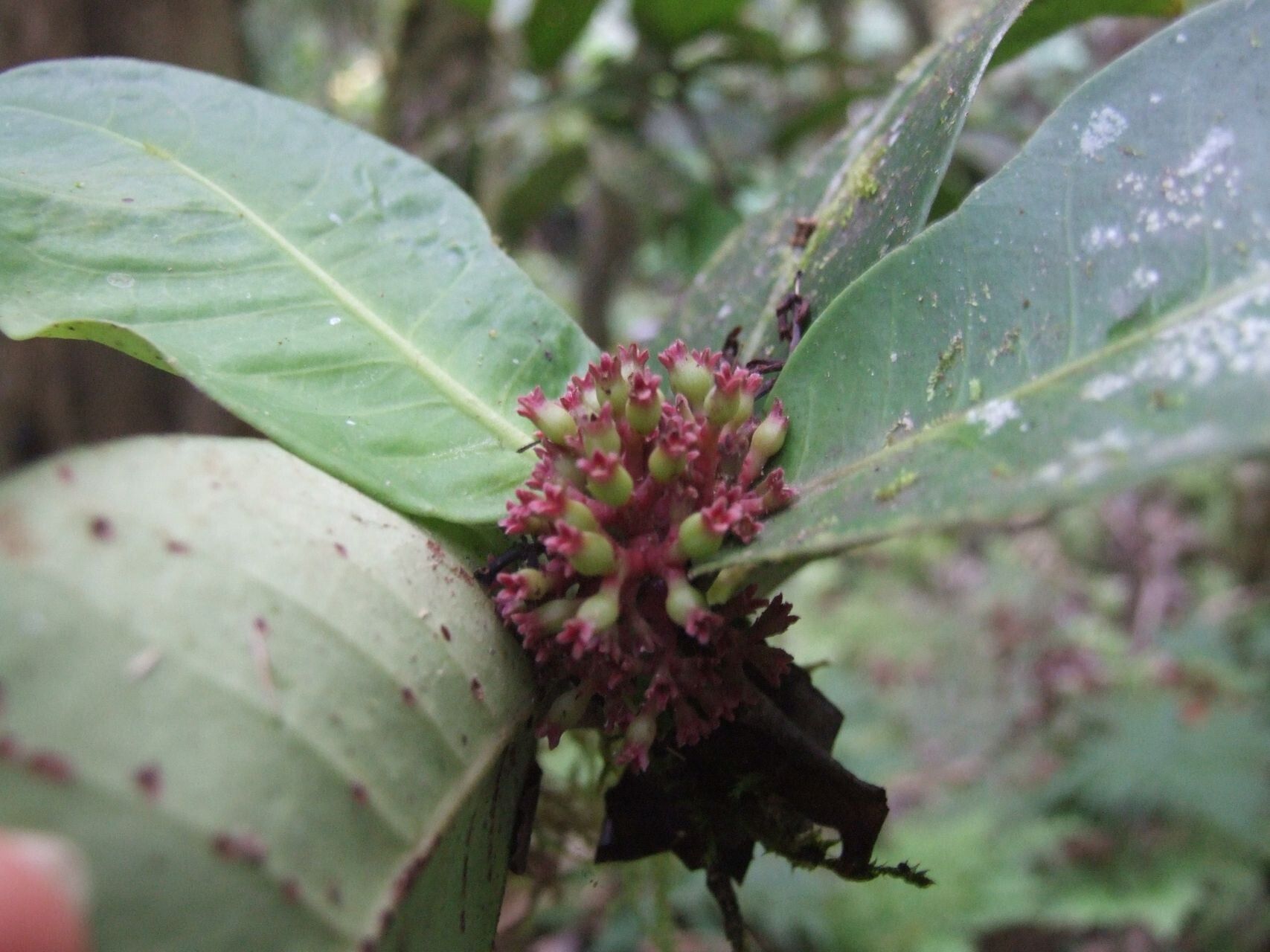
Hey there, fellow plant lovers!
There’s something incredibly satisfying about coaxing new life from an existing plant, isn’t there? And when it comes to the vibrant, tropical beauty of Ixora comptonii, propagating it yourself can be a particularly rewarding journey. Those clusters of fiery blooms, often in shades of orange, red, or pink, are a showstopper in any garden, or even on a sunny patio. If you’ve admired a friend’s Ixora or have a specimen you adore, learning to make more of them is a fantastic next step. Now, full disclosure: while not the absolute easiest for a complete beginner, propagating Ixora is absolutely achievable with a little know-how and patience. You’ve got this!
The Best Time to Start
My absolute favorite time to take cuttings from Ixora comptonii is during its active growing season, which is typically late spring through summer. This is when the plant has plenty of energy to dedicate to healing and rooting. You’ll want to look for stems that are semi-hardwood – essentially, they’re not brand new and flimsy, but they also haven’t completely hardened off into old wood. Think of it as the “just right” stage.
Supplies You’ll Need
Before we get our hands dirty, let’s gather our arsenal:
- Sharp Pruning Shears or a Craft Knife: Cleanliness is key! Make sure your cutting tool is sterilized to prevent introducing any nasty bugs or diseases. A quick wipe with rubbing alcohol does the trick.
- Rooting Hormone: This is a helpful booster. I prefer a powdered type for stem cuttings, but gel works too. It’s not strictly essential for Ixora, but it definitely speeds things up and improves success rates.
- Well-Draining Potting Mix: A good blend for this is 50% peat moss or coco coir and 50% perlite or coarse sand. You can also use a specialized seedling or cutting mix. The goal is to keep things airy and prevent waterlogging.
- Small Pots or Seedling Trays: Clean containers with drainage holes are a must.
- Plastic Bag or Humidity Dome: To create a mini-greenhouse effect.
- Watering Can with a Fine Rose: Gentle watering is important.
Propagation Methods
I’ve found two methods work best for Ixora comptonii: stem cuttings and, if you’re feeling adventurous, layering.
Stem Cuttings: The Classic Approach
This is my go-to method for Ixora.
- Select Your Cuttings: Look for healthy, non-flowering stems from your mature plant. Aim for cuttings that are 4 to 6 inches long. Using your sterilized shears or knife, make a clean cut just below a leaf node (where a leaf attaches to the stem).
- Prepare the Cuttings: Gently remove the lower half of the leaves. You want to keep a few leaves at the top to help with photosynthesis, but too many will draw moisture away from the developing roots. If the leaves are particularly large, you can even cut them in half horizontally.
- Apply Rooting Hormone: Dip the cut end of the stem into your rooting hormone, making sure it’s coated. Tap off any excess.
- Plant the Cuttings: Fill your clean pots or trays with your prepared potting mix. Use a pencil or your finger to make a small hole in the center, then insert the cutting. Gently firm the soil around the base of the cutting.
- Water Them In: Water thoroughly but gently, ensuring the soil is evenly moist.
- Create a Humid Environment: Cover the pots completely with a clear plastic bag (supported so leaves don’t touch the plastic) or a humidity dome. This traps moisture and creates the perfect steamy environment for rooting. Place them in a bright spot, but out of direct, harsh sunlight.
Air Layering: For a Bit More Patience
This method is fantastic because you can often see roots forming before you even detach the new plant.
- Choose a Healthy Stem: Select a strong, healthy stem that’s about pencil thickness and has plenty of leaves.
- Make a Wound: About 6-12 inches from the tip, make an upward-sloping cut halfway through the stem. You can also remove a thin ring of bark about an inch wide at that point.
- Apply Rooting Hormone (Optional but Recommended): Dust the wound with rooting hormone.
- Pack with Moisture-Retentive Medium: Sphagnum moss is ideal here. Dampen it thoroughly and then firmly pack it around the wounded area, gently spreading the cut open to accommodate the moss.
- Wrap It Up: Securely wrap the moss with clear plastic wrap, tying it tightly at both ends to keep the moisture in. You should be able to see the roots forming through the plastic.
- Wait for Roots: This can take a few weeks to a couple of months. Once you see a good network of thick roots forming, you can carefully cut the stem below the root ball and pot it up as a new, established plant.
The “Secret Sauce” (Pro Tips)
Here are a few things I’ve learned over the years that make a real difference:
- The Power of Bottom Heat: If you can, using a heating mat under your cuttings truly accelerates root development. Ixora loves warmth, and this mimics the tropical soil temperatures they thrive in. You don’t need it scorching hot, just consistently warm.
- Don’t Overcrowd: Give your cuttings a little breathing room in their pots. One cutting per pot is often best, especially if you’re using rooting hormone. This helps prevent the spread of any potential issues.
- Cleanliness is Godliness: I can’t stress this enough – sterilize everything! Your pruners, your pots, your hands. A clean start goes a long way in preventing fungal diseases that love to attack tender new cuttings.
Aftercare & Troubleshooting
Once your cuttings have been in their humid environment for a few weeks, gently tug on them. If you feel resistance, that’s a good sign roots are forming! You can also carefully check the drainage holes for root tips.
Once roots have developed, slowly acclimate your new plants to normal humidity. Gradually open the plastic bag or dome over a week or so. Keep the soil consistently moist, but not soggy, and continue to provide bright, indirect light. You can start feeding them with a diluted liquid fertilizer once they look like they’re actively growing.
The most common issue you might encounter is rot. This usually happens if the soil is too wet and lacks aeration. If you see any mushy, black stems or leaves, it’s best to remove that cutting – it’s unlikely to recover. Make sure your soil is airy and your pots have good drainage.
A Encouraging Closing
Propagating Ixora takes a little patience, but the reward of seeing those tiny cuttings develop into beautiful new plants is truly immense. Don’t be discouraged if not every cutting makes it; it’s all part of the learning process! Just enjoy the journey, and happy propagating!
Resource:
https://identify.plantnet.org/k-world-flora/species/Ixora%20comptonii%20S.Moore/data