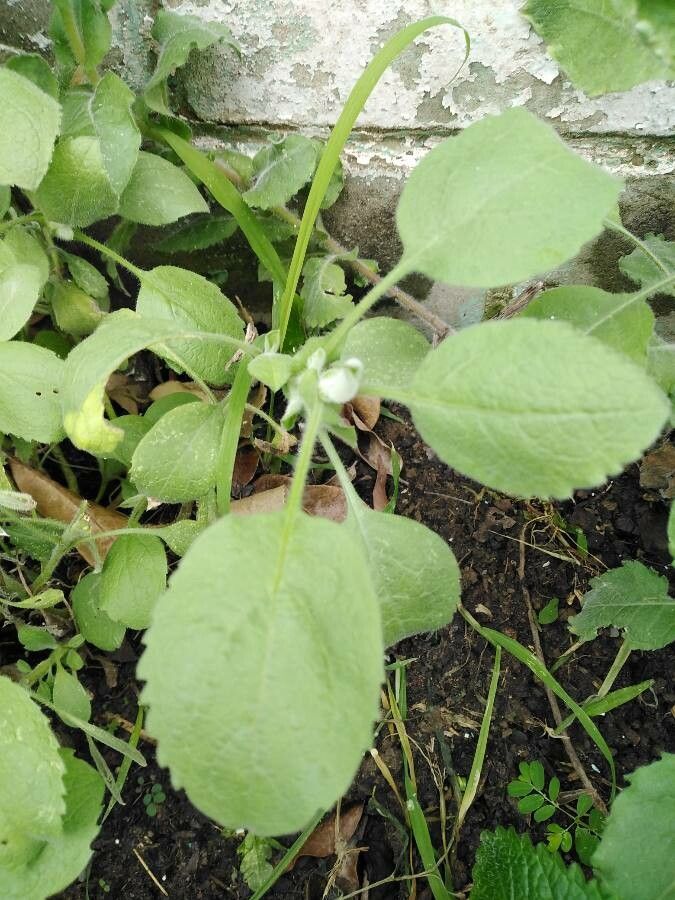
Hey there, fellow garden lovers! I’m so glad you’ve stopped by. Today, we’re diving into the wonderful world of propagating Arnica angustifolia. If you’re drawn to its vibrant, sunny blooms and its natural medicinal uses, you’re in for a treat. Growing these beauties from scratch is incredibly satisfying, though I’ll be honest – Arnica can be a bit of a diva, so it’s not always the easiest plant for a complete beginner. But with a little patience and a few key tricks, you absolutely can succeed!
The Best Time to Start
For Arnica angustifolia, timing is everything. I’ve found the absolute best time to get started is late spring or early summer, just as the plant is actively growing after its main flowering period. This gives the new cuttings or divisions plenty of time to establish before things cool down too much. Waiting until the plant has had a good burst of energy after flowering means you’re working with strong, healthy material.
Supplies You’ll Need
Gathering your supplies before you begin makes the whole process so much smoother. Here’s what I usually have on hand:
- Sharp pruning shears or a clean knife: For making clean cuts.
- Rooting hormone (optional but recommended): Helps encourage root development. I prefer a powdered form.
- Well-draining potting mix: A good quality sterile potting mix, perhaps with some added perlite or coarse sand. Arnica hates soggy feet!
- Small pots or seed trays: Clean and with drainage holes, of course.
- A spray bottle: For misting.
- Clear plastic bags or a propagation dome: To create a humid environment.
- A small trowel or dibber: For making planting holes.
Propagation Methods
Arnica angustifolia is typically propagated through division or stem cuttings. Let’s walk through both.
Division
This is my go-to method for a few reasons. It’s usually quite successful, and you get a more substantial plant right from the start.
- Dig Up the Mother Plant: In late spring or early summer, carefully dig up your Arnica plant. Try to disturb the roots as little as possible.
- Gently Separate the Roots: Shake off excess soil. You’ll often see that a mature Arnica plant has multiple crowns or clumps. Gently tease these apart with your fingers or a trowel. If they’re really stubborn, you might need to use your pruning shears to cut through thicker roots, but be gentle.
- Inspect and Trim: Look for any damaged or diseased roots and trim them away.
- Repot or Plant Out: Pot up your divisions into smaller pots filled with your well-draining mix, or plant them directly into their new garden spot, ensuring they have good drainage. Water them in well.
Stem Cuttings
This method requires a bit more finesse but is a fantastic way to multiply your Arnica plants.
- Take Cuttings: In late spring or early summer, select non-flowering shoots that are about 4-6 inches long. Using your clean shears, make a cut just below a leaf node. Remove the lower leaves, leaving just a few at the top.
- Apply Rooting Hormone: Dip the cut end of the stem into your rooting hormone powder, tapping off any excess.
- Plant the Cuttings: Fill small pots with your well-draining potting mix. Use a dibber or pencil to create holes, then insert the cuttings. Firm the soil gently around them.
- Create Humidity: Water the soil lightly. Then, cover the pots with a clear plastic bag or place them inside a propagation dome. This is crucial for keeping the cuttings from drying out.
The “Secret Sauce” (Pro Tips)
Here are a few things I’ve learned over the years that really boost your chances with Arnica:
- Don’t Overwater, Ever! I cannot stress this enough. Soggy soil is the quickest way to lose your Arnica cuttings or divisions. It should feel like a wrung-out sponge. Better to err on the side of slightly too dry than too wet.
- Bottom Heat is Your Friend (for Cuttings): If you’re doing stem cuttings, placing the pots on a seedling heat mat can significantly speed up root development. Aim for around 70-75°F (21-24°C). It mimics spring soil temperatures and really encourages those roots to get going.
- Let Them Breathe: While humidity is key for cuttings, don’t let them sit in a muggy, stagnant environment 24/7. Ventilate your propagation setup daily by removing the dome or opening the bag for a few minutes. This helps prevent fungal issues.
Aftercare & Troubleshooting
Once your Arnica divisions or cuttings have survived the initial establishment phase and you see signs of new growth (a tiny leaf unfurling, for instance), it’s time to think about their ongoing care.
- Gradual Acclimation: If you used a plastic bag or dome for cuttings, gradually introduce them to lower humidity outdoors. Start by removing the cover for longer periods each day over a week.
- Light: Young Arnica plants prefer bright, indirect light. Avoid harsh, direct sun for the first few weeks. Once they are established, they’ll appreciate a sunny spot, but they can scorch in intense afternoon sun in very hot climates.
- Watering: Continue to water moderately, allowing the soil to dry out slightly between waterings.
- Troubleshooting:
- Wilting and Yellowing Leaves: This is usually a sign of overwatering. Check the soil moisture. If it’s wet, let it dry out completely before watering again.
- Soft, Mushy Stems: Rot is a very real danger. If you see this, the cutting is likely lost. Try to isolate affected plants to prevent spread. Ensure excellent drainage.
- No Root Development: Patience is key! Sometimes it just takes longer. Ensure consistent (but not excessive!) moisture and appropriate temperature. If after several weeks there’s absolutely no sign of life, it may be time to try again.
A Little Patience Goes a Long Way
And there you have it! Propagating Arnica angustifolia might take a little extra care, but the reward of seeing those cheerful yellow blossoms multiply is truly special. Don’t get discouraged if your first attempt isn’t perfect. Gardening is a journey of learning, and each plant teaches us something new. Enjoy the process, and happy growing!
Resource:
https://identify.plantnet.org/k-world-flora/species/Arnica%20angustifolia%20Vahl/data