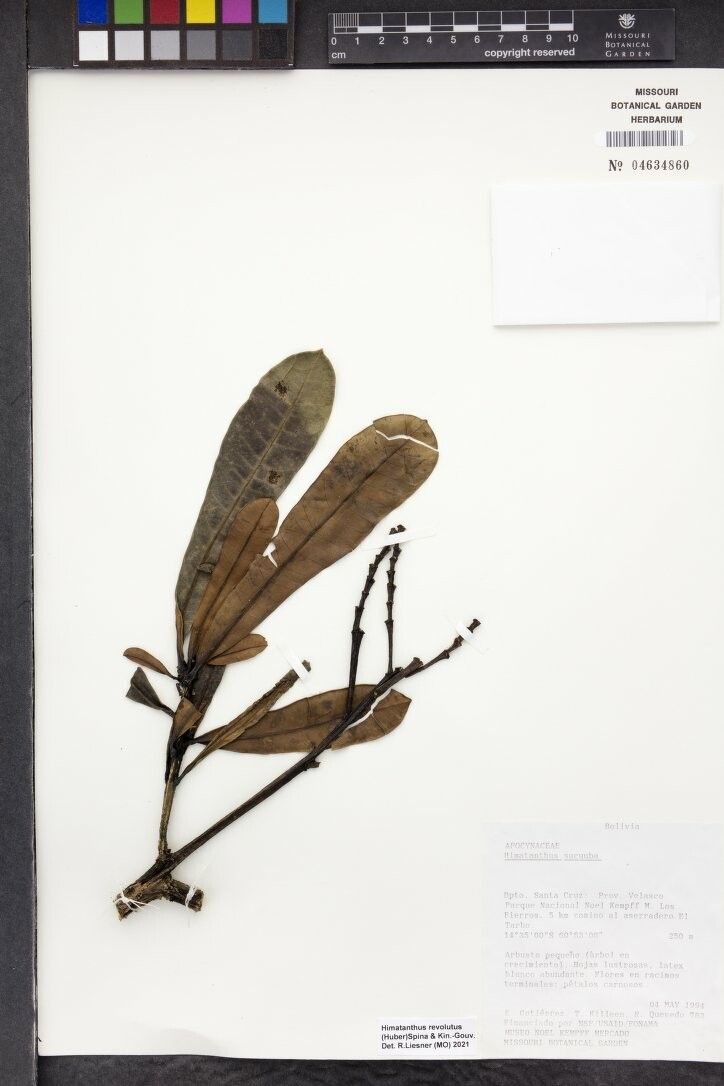
Hello plant lovers! It’s me, your garden guru, back with another exciting propagation project. Today, we’re diving into the world of Himatanthus revolutus, that gorgeous shrub known for its stunning trumpet-shaped flowers that fill the garden with scent and color. I’ve found that seeing them multiply is one of the most rewarding parts of gardening; there’s a special kind of joy in nurturing a tiny cutting into a thriving plant. Now, for beginners, I’d say Himatanthus revolutus falls into the “moderately challenging” category. It’s not as foolproof as a pothos, but with a little attention and the right approach, you’ll be successful.
The Best Time to Start
Timing is everything, isn’t it? For Himatanthus revolutus, the absolute sweet spot for propagation is in late spring to early summer, right after the main bloom has finished. This is when the plant has plenty of energy reserves and is actively growing. You’re looking for new, but firm, stem growth – avoid anything too soft and new, or old and woody.
Supplies You’ll Need
Before we get our hands dirty, let’s gather our toolkit. Having everything ready makes the whole process smoother:
- Sharp pruning shears or a clean knife: For making clean cuts.
- Rooting hormone: Not strictly mandatory, but it significantly boosts success rates. I prefer a powdered or gel type.
- Well-draining potting mix: A commercial seed-starting mix or a blend of peat moss, perlite, and a little sand works brilliantly.
- Small pots or trays: Clean ones, always!
- Plastic bags or propagation domes: To create a humid environment.
- Watering can with a fine rose attachment: For gentle watering.
- Clear labels: Trust me, you’ll thank yourself later.
Propagation Methods
Let’s get down to business! Stem cuttings are my go-to for Himatanthus revolutus, and I find it yields the best results.
Stem Cuttings:
- Select your cuttings: Look for healthy, non-flowering stems that are about 4-6 inches long. These should be semi-hardwood – firm but still a bit flexible.
- Make the cut: Using your sharp shears or knife, make a clean cut just below a leaf node (the point where a leaf attaches to the stem). This is where the magic happens, where roots will emerge.
- Prepare the cutting: Gently remove the leaves from the bottom half of the cutting. You can also trim any larger leaves in half to reduce water loss through transpiration.
- Apply rooting hormone: Dip the cut end of the stem into your rooting hormone, making sure it’s coated. Tap off any excess.
- Potting up: Fill your clean pots with your well-draining potting mix. Make a small hole in the center with a pencil or your finger.
- Insert the cutting: Place the hormone-dipped end into the hole and gently firm the soil around it. Make sure at least one leaf node is buried in the soil – that’s where the roots will sprout!
- Water and cover: Water thoroughly but gently. Then, cover the pot with a plastic bag or propagation dome to maintain high humidity. If using a bag, you can use a small stake to keep it from touching the leaves.
The “Secret Sauce” (Pro Tips)
Here’s where my years in the garden come in handy. These little tricks can make all the difference:
- My absolute favorite tip is to dip your cutting’s prepared end in a dilute solution of willow water before the rooting hormone. Willow branches are rich in natural rooting hormones (auxins), and this simple step can give your Himatanthus cuttings an extra boost. Just soak a few willow twigs in water for a day or two, then use that water.
- When you pot up your cuttings, propping the pot up on a seedling heat mat can really speed things up. This gentle bottom warmth encourages root development without overheating the foliage. I’ve found it makes a noticeable difference in rooting times.
- Don’t be tempted to overwater! While humidity is key, soggy soil is the enemy of cuttings. Ensure your potting mix drains freely, and only water when the top inch of soil feels dry.
Aftercare & Troubleshooting
Once your cuttings have been potted and covered, the waiting game begins, but the care doesn’t stop.
- Keep them in a bright spot, but out of direct sunlight. Too much sun can scorch the tender new leaves.
- Ventilate regularly. Once a day, lift the plastic bag or dome for a few minutes to allow for air circulation. This helps prevent fungal diseases.
- Look for signs of rooting. This can take anywhere from 4 to 8 weeks, sometimes longer. The best indicator? New leaf growth! If you see tiny new leaves unfurling, your cutting is likely rooted. You can also gently tug on the cutting. If there’s resistance, roots have formed.
- Troubleshooting: The most common issue is rot. If your cutting turns black and mushy, it’s succumbed to rot. This is usually due to overwatering or poor drainage. If you see a bit of mold, increase ventilation. If a cutting looks completely limp and unresponsive after several weeks, it might not have rooted. Don’t despair; just try again with fresh cuttings.
And there you have it! Propagating Himatanthus revolutus is a journey, not a race. Be patient, observe your cuttings, and enjoy the process of creating new life. The satisfaction of seeing those first roots emerge and a new plant begin to flourish is truly unmatched. Happy gardening!
Resource: