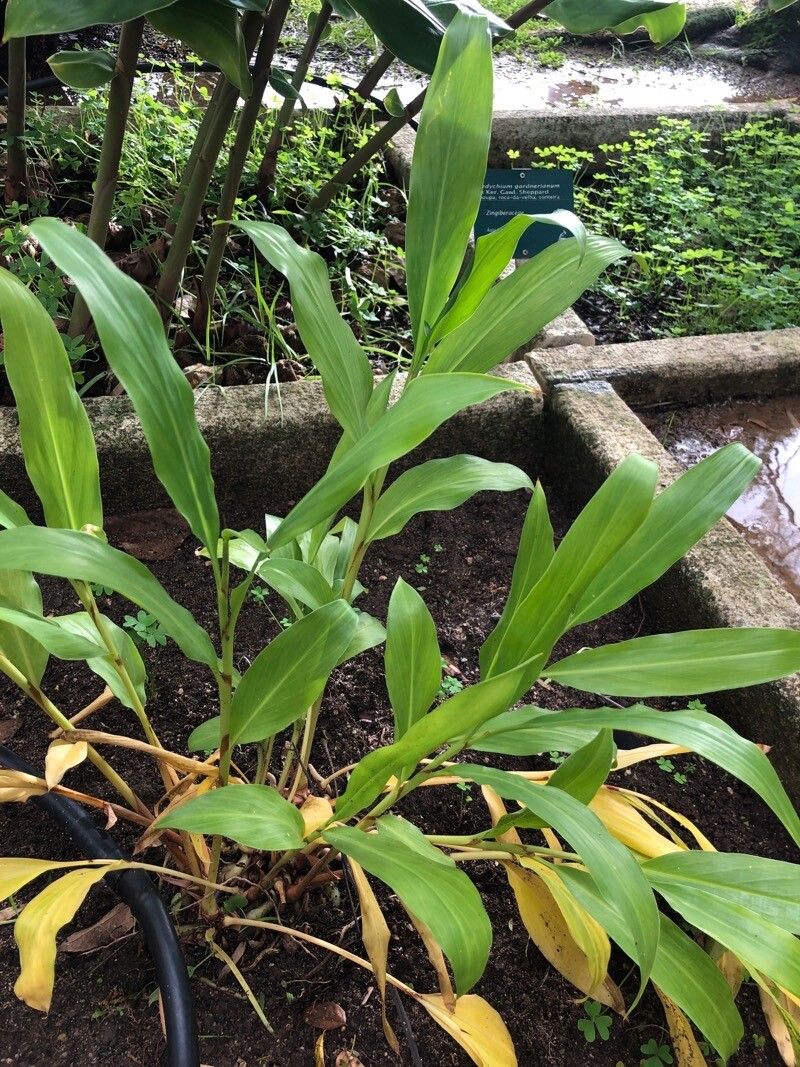
Hey there, fellow garden enthusiasts! It’s wonderful to connect with you again. Today, we’re diving into the fascinating world of Hedychium muluense, a truly captivating ginger that brings such tropical flair and fragrance to our spaces. I’ve spent years admiring its bold foliage and those exquisite, pure white flowers that perfume the air. Propagating these beauties, I’ve found, is a deeply satisfying endeavor. It’s a plant that rewards your efforts handsomely, and once you get the hang of it, you’ll be sharing them with everyone you know! For beginners, I’d say it’s moderately easy – a delightful challenge that’s very achievable with a little know-how.
The Best Time to Start
The sweet spot for propagating Hedychium muluense is generally in the late spring or early summer. This is when the plant is actively growing after its winter dormancy. You want to work with healthy, vigorous stems that are full of life. Think of it as catching the plant at its energetic peak!
Supplies You’ll Need
Gathering your tools is half the fun, isn’t it? Here’s what I find most helpful:
- Sharp pruning shears or a clean knife: Essential for making clean cuts to avoid damaging the plant.
- Well-draining potting mix: A blend of peat moss, perlite, and coarse sand works wonderfully. I often add a bit of compost for good measure.
- Rooting hormone (optional but recommended): This can give your cuttings a real boost.
- Small pots or seed trays: Whatever you have that will hold your propagation material and soil.
- Plastic bags or a propagation dome: To maintain high humidity around your cuttings.
- Watering can with a fine rose: To water gently without disturbing the soil.
Propagation Methods
While Hedychium muluense can sometimes be a bit tight-lipped about releasing new roots, we have a couple of reliable methods that usually do the trick.
1. Division (The Easiest Start)
This is hands-down the simplest way to get new plants, especially if you already have a mature specimen.
- Gently unearth your established plant. Carefully dig around the root ball, and lift the entire plant from its pot or the ground. Try to disturb the roots as little as possible.
- Inspect the rhizomes. You’ll see thick, fleshy underground stems called rhizomes. Look for sections that have their own healthy buds or shoots.
- Carefully separate the divisions. You can often do this by hand. If it’s a bit stubborn, use your clean knife or shears to cut through the rhizome, ensuring each piece has at least one prominent bud.
- Plant your divisions. Pot each division into its own container filled with your well-draining mix. Make sure the rhizome is just barely covered with soil, with the bud pointing upwards.
- Water thoroughly. Give them a good drink, and place them in a warm, bright spot, but out of direct sun.
2. Stem Cuttings (A Bit More Involved)
This method takes a little more patience, but it’s very rewarding to see those roots develop.
- Select healthy stems. Choose stems that are at least 6-8 inches long and have several healthy leaves. Avoid any that are flowering or have spent flowers.
- Make your cuts. Using your sharp shears, cut a stem just below a leaf node (where a leaf emerges from the stem). You want to create cuttings that are about 4-6 inches long. Remove the lower leaves, leaving just a few at the top.
- Apply rooting hormone (optional). Dip the cut end of the stem into your rooting hormone powder or liquid, following the product’s instructions.
- Plant the cuttings. Fill your small pots with your well-draining mix. Make a hole with your finger or a pencil, and insert the cutting, ensuring the leaf nodes are buried underground, as this is where roots will form.
- Water gently. Water the soil well, then cover the pot with a plastic bag or place it under a propagation dome to create a humid environment.
- Provide warmth and light. Place the pots in a warm location with bright, indirect light. A sunny windowsill is often perfect.
The “Secret Sauce”
Now, for a couple of little garden secrets I’ve picked up along the way that can make all the difference:
- Never let leaves touch the water in water propagation. If you decide to try rooting cuttings in water (though I find soil works better for Hedychium), make sure only the stem is submerged. Any submerged leaves will quickly rot and take your cutting down with them.
- Bottom heat is your friend. For stem cuttings, placing your pots on a gentle heating mat designed for seedlings can significantly speed up root development. It mimics the warmth of the soil in its natural tropical environment.
Aftercare & Troubleshooting
Once you see those little roots peeking out from the drainage holes or new growth emerging, congratulations! It’s time for a little extra TLC.
- Gradual acclimatization: If you used a plastic bag or dome, begin to gradually remove it over a few days. This helps the new plant adjust to less humid conditions.
- Light and water: Continue to provide bright, indirect light. Water when the top inch of soil feels dry.
- Potting up: Once the roots have filled the pot, you can move your new Hedychium muluense to a slightly larger container.
Now, what if things don’t go as planned? The most common culprit is rot. This usually happens due to overwatering or poor drainage. If your cutting looks mushy and dark, it’s likely rotting. Sadly, there’s not much you can do once that happens. The key is to ensure your soil drains well and to water only when necessary. If you’re seeing no signs of life after several weeks, don’t despair! Some plants just take their sweet time. Try moving them to a slightly warmer spot or ensuring their humidity levels are consistent.
Happy Propagating!
Growing new plants from an existing one is one of those truly magical gardening experiences. It’s a chance to connect with nature’s cycles and to share your passion with others. Be patient with your Hedychium muluense, offer it warmth and good care, and you’ll soon be rewarded with charming new additions to your garden… or perhaps a lovely gift for a friend. Happy propagating, everyone!
Resource:
https://identify.plantnet.org/k-world-flora/species/Hedychium%20muluense%20R.M.Sm./data