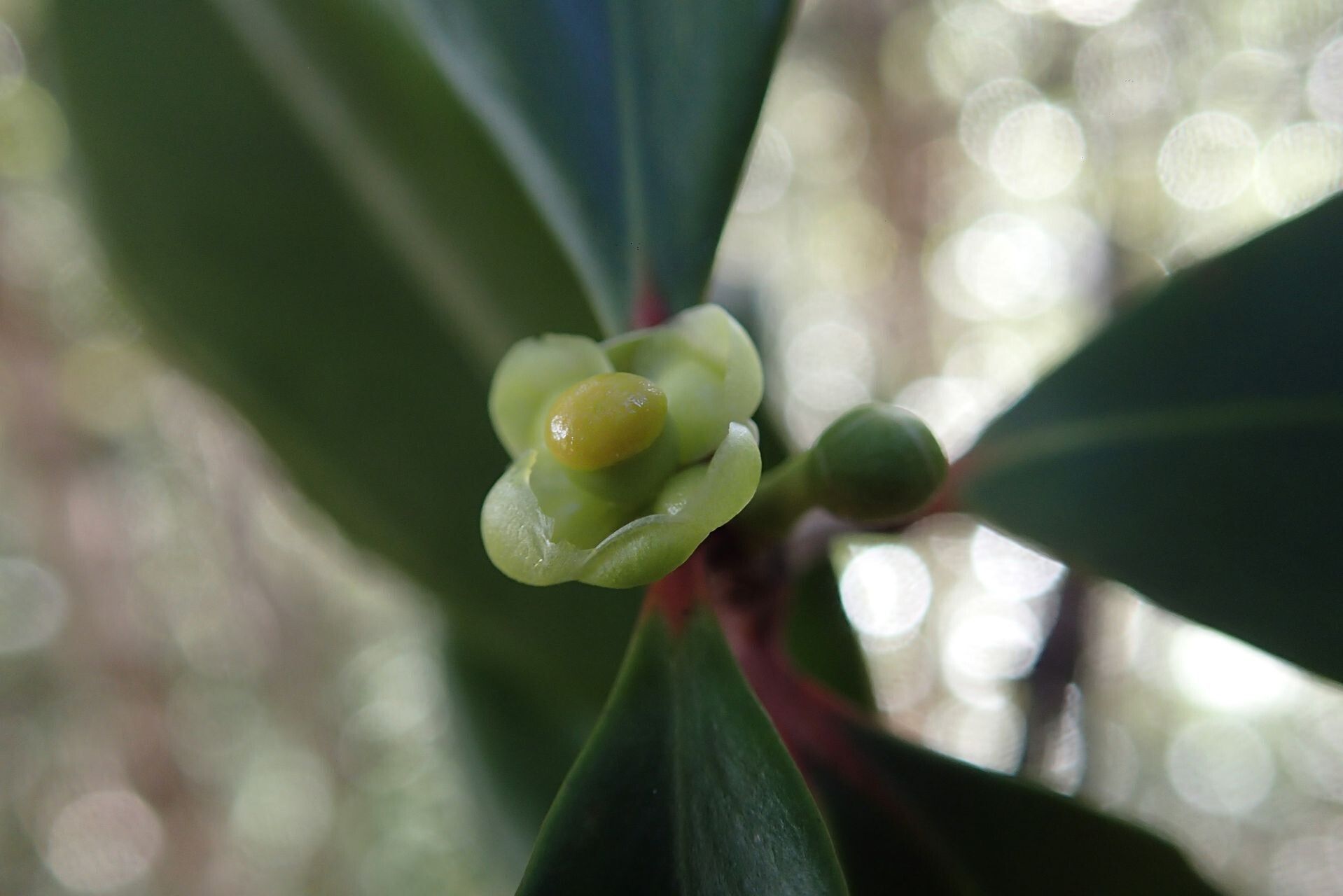
Hello, green thumbs! I’m so glad you’ve stopped by for a chat about a truly special plant: Garcinia balansae. You know, there’s just something magical about watching a tiny cutting transform into a vibrant new specimen. And Garcinia balansae? Oh, it’s a real beauty, with its glossy leaves and promise of lushness. Propagating your own gives you such a fantastic sense of accomplishment. Now, for beginners, I’ll be honest, it’s not the easiest plant to get going from scratch, but with a little patience and these tried-and-true methods, you’ll be well on your way to success!
When the Stars Align: The Best Time to Start
Timing is everything when it comes to plant propagation, and for Garcinia balansae, spring or early summer is your sweet spot. This is when the plant is in its active growth phase. You’ll be taking cuttings from healthy, vigorous stems that are actively producing new leaves. Think of it as tapping into the plant’s prime energy reserves – it’s more likely to put that energy into growing roots!
Gearing Up: Supplies You’ll Need
Before we dive in, let’s make sure you’re equipped for success. Having the right tools makes a world of difference.
- Sterilized Pruning Shears or Sharp Knife: Cleanliness is key to prevent disease.
- Well-draining Potting Mix: A good blend of perlite, peat moss, and a bit of compost works wonderfully. You can also find specific cactus and succulent mixes that will do the trick.
- Small Pots or Seedling Trays: Make sure they have drainage holes!
- Rooting Hormone (Optional but Recommended): This little helper can really give your cuttings a boost. I prefer the powder form.
- Clear Plastic Bags or a Propagator: To create that humid environment cuttings crave.
- Spray Bottle: For misting.
- Small Pebbles or Perlite (for water propagation): To support the cuttings.
Growing New Beginnings: Propagation Methods
While Garcinia balansae can be a little fussy, I’ve found the most reliable method is through stem cuttings.
- Select Your Cutting: Look for a healthy, mature stem that is at least 4-6 inches long. It should have several sets of leaves. Crucially, choose a stem that has started to mature slightly – not brand new, bright green growth, but not woody either. A semi-hardwood cutting is ideal.
- Make the Cut: Using your sterilized shears or knife, make a clean cut just below a leaf node (where a leaf attaches to the stem). This is where roots are most likely to form. Remove the lower leaves, leaving just a few at the top.
- Prepare for Rooting: If you’re using rooting hormone, dip the cut end of the stem into it, tapping off any excess. If you’re not using hormone, you can skip this step, but be prepared for potentially slower rooting.
- Planting the Cutting: Fill your small pot or tray with the well-draining potting mix. Make a hole in the center with your finger or a pencil. Gently insert the cutting into the hole, ensuring the leaf nodes are covered by the soil. Firm the soil gently around the stem.
- Create Humidity: Water the soil thoroughly until it drains from the bottom. Then, cover the pot with a clear plastic bag or place it in a propagator. This creates a greenhouse effect, keeping the humidity high, which is vital for cuttings. If using a bag, you can prop it up with a few chopsticks so it doesn’t touch the leaves. Place the pot in a bright, indirect light location.
Water Propagation (Less Common for this species but worth a try with a dedicated enthusiast): While I’ve had more success with soil, some find Garcinia can root in water. Take a similar cutting, remove all but the top leaves, and place it in a jar of water. Make sure no leaves are submerged in the water – this is a sure way to invite rot. Change the water every few days. Once roots develop (and this can take weeks!), carefully transplant it into soil.
The “Secret Sauce”: My Insider Tips
Over the years, I’ve learned a few tricks that can really make a difference.
- Bottom Heat is Your Friend: Garcinia balansae absolutely loves a little warmth from below. Placing your pots on a heated seed mat can significantly speed up root development. It mimics the warm soil of its native environment.
- Don’t Overwater, But Keep it Consistently Moist: This is a delicate balance. The soil should feel like a wrung-out sponge – moist but not waterlogged. Overwatering is the quickest way to invite root rot, which is the bane of any propagator’s existence.
- Air Circulation is Key: While you want humidity, stagnant air can lead to fungal issues. If you’re using a plastic bag, open it for a few minutes each day to allow for some air exchange. This also helps to prevent the leaves from getting too wet, which can lead to rot.
Nurturing Your New Arrival: Aftercare & Troubleshooting
Once you start seeing new growth, it’s a sign that roots are forming! This is incredibly exciting.
- Gradual Acclimation: Once roots have formed (usually after a few weeks to a couple of months, you can gently tug on the cutting and feel resistance), gradually introduce your new plant to normal room humidity. Open the plastic bag a bit more each day for about a week before removing it completely.
- Continue Indirect Light: Keep your newly rooted plant in bright, indirect light.
- Water as Needed: Water when the top inch of soil feels dry.
Now, things don’t always go according to plan, and that’s okay! Brown, mushy stems, or leaves that yellow and drop off quickly are often signs of overwatering or insufficient humidity. If you see this, check your watering schedule and ensure your humidity dome is working effectively. Sometimes, a cutting just doesn’t take, and that’s part of the process. Don’t get discouraged; just try again!
Planting the Seeds of Success
So there you have it! Propagating Garcinia balansae is a rewarding journey that connects you deeper with your plants. Be patient with yourself and with the cuttings. Watch for the signs, make adjustments, and celebrate every little bit of progress. Happy propagating, everyone!
Resource:
https://identify.plantnet.org/k-world-flora/species/Garcinia%20balansae%20Pierre/data