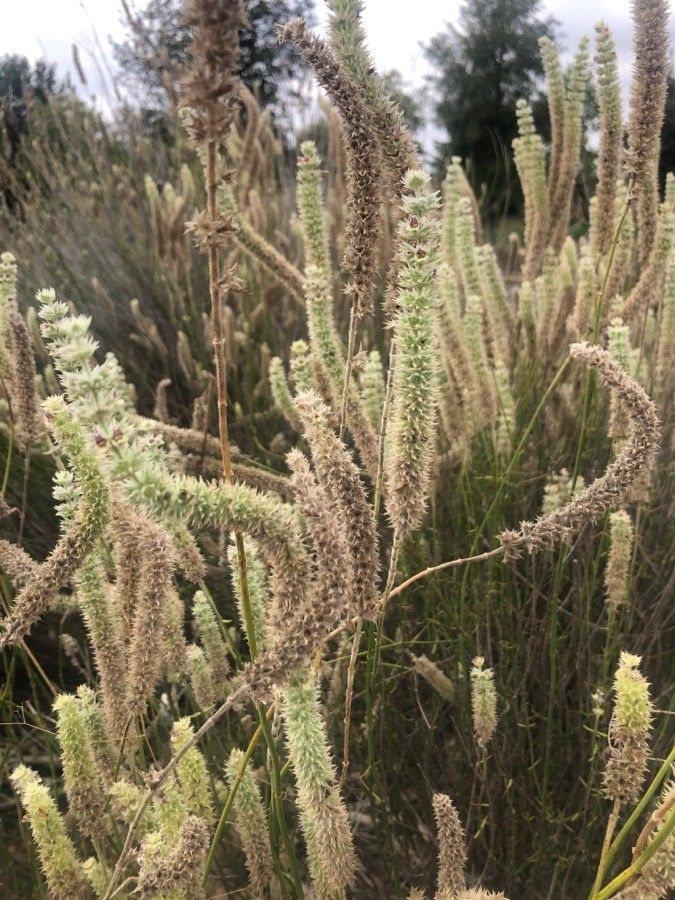
Oh, hello there! Pull up a chair and let’s chat about a truly special plant: Sideritis lasiantha. You know, the one with those beautiful, velvety leaves and the wonderfully aromatic scent. It’s often found gracing rocky slopes, and there’s just something so earthy and grounding about it. Growing these beauties from scratch is incredibly rewarding. It connects you to the plant’s life cycle in such a profound way. Now, I’ll be honest, Sideritis lasiantha can be a tad fussy for absolute beginners, but with a little attention to detail, you’ll be amazed at how successful you can be. Let’s get our hands dirty, shall we?
The Best Time to Start
For the absolute best chance of success, I always recommend starting your Sideritis lasiantha propagation in late spring or early summer. This is when the plant is happily in its active growing season. The stems will be firm but not woody, and they have that vital energy needed to develop roots. Waiting until the warmth has truly settled in, and there’s plenty of sunshine, makes all the difference.
Supplies You’ll Need
Gathering your supplies beforehand makes the whole process so much smoother. Here’s what I usually have on hand:
- Sharp, clean pruning shears or a sharp knife: A clean cut is crucial to prevent disease.
- Rooting hormone: This is a little boost that helps cuttings develop roots more quickly and reliably. You can find it at most garden centers.
- Well-draining potting mix: This is non-negotiable! A mix of equal parts perlite and peat moss, or a good quality succulent and cactus mix, works wonders.
- Small pots or propagation trays: Clean pots are important!
- Plastic bags or a propagation dome: To create a humid environment for your cuttings.
- Watering can or spray bottle: For gentle watering.
- Labels: Trust me, you’ll want to know what you planted!
Propagation Methods: Let’s Get Growing!
Sideritis lasiantha is best propagated from stem cuttings. It’s tried and true, and once you get the hang of it, you’ll be hooked.
Stem Cuttings
- Select Your Cuttings: Look for healthy, non-flowering stems that are about 4-6 inches long. Gently bend a stem – if it snaps cleanly, it’s a good indicator it’s ready. Avoid very soft, new growth or old, woody stems.
- Make the Cut: Using your sharp, sterilized pruning shears or knife, make a clean cut just below a leaf node (the little bump where a leaf grows from the stem).
- Prepare the Cutting: Gently remove the lower leaves from the stem, leaving about 2-3 sets of leaves at the top. This prevents the leaves from rotting when you put them in the soil or water.
- Apply Rooting Hormone: Dip the cut end of the stem into your rooting hormone, tapping off any excess.
- Plant Your Cuttings: Fill your small pots with your well-draining potting mix. Make a small hole in the center of the soil with your finger or a pencil. Carefully insert the prepared cutting into the hole, ensuring the leaf nodes are buried. Gently firm the soil around the stem.
- Create Humidity: Water the soil lightly. Then, cover the pot with a plastic bag or place it under a propagation dome. You want to create a mini-greenhouse effect to keep the humidity high.
The “Secret Sauce” (Pro Tips)
Here are a few little tricks I’ve picked up over the years that can really boost your Sideritis lasiantha propagation success:
- Bottom Heat is Your Friend: If you have a heat mat designed for propagation, use it! Sideritis lasiantha loves a bit of warmth from below. It encourages root development much faster. Just make sure the heat isn’t so intense that it dries out your soil too quickly.
- Don’t Drown Your Dreams: When you’re watering, be gentle. Overwatering is the quickest way to invite rot. The soil should be consistently moist but never waterlogged. A spray bottle can be great for misting the leaves as well, helping to maintain that precious humidity.
Aftercare & Troubleshooting
Once your cuttings are planted, patience is key!
- Location: Place your pots in a bright location but out of direct, harsh sunlight. Too much sun can scorch those delicate new cuttings.
- Check for Roots: After about 4-6 weeks, you can gently tug on a cutting. If you feel resistance, congratulations – you’ve got roots!
- Signs of Trouble: The most common problem you’ll encounter is rot. If your cutting turns black and mushy, it’s a sign of too much moisture and not enough airflow. If this happens, discard the affected cutting, check your watering habits, and ensure your soil is draining well. Sometimes, a cutting just doesn’t take; don’t be discouraged, just try again!
Keep Growing!
See? It’s not as daunting as it might seem. Propagation is a journey of learning and observation, and each success brings a wonderful sense of accomplishment. Be patient with your Sideritis lasiantha cuttings, offer them a little warmth and humidity, and enjoy the magic of watching new life emerge. Happy gardening!
Resource:
https://identify.plantnet.org/k-world-flora/species/Sideritis%20lasiantha%20Juss.%20ex%20Pers./data