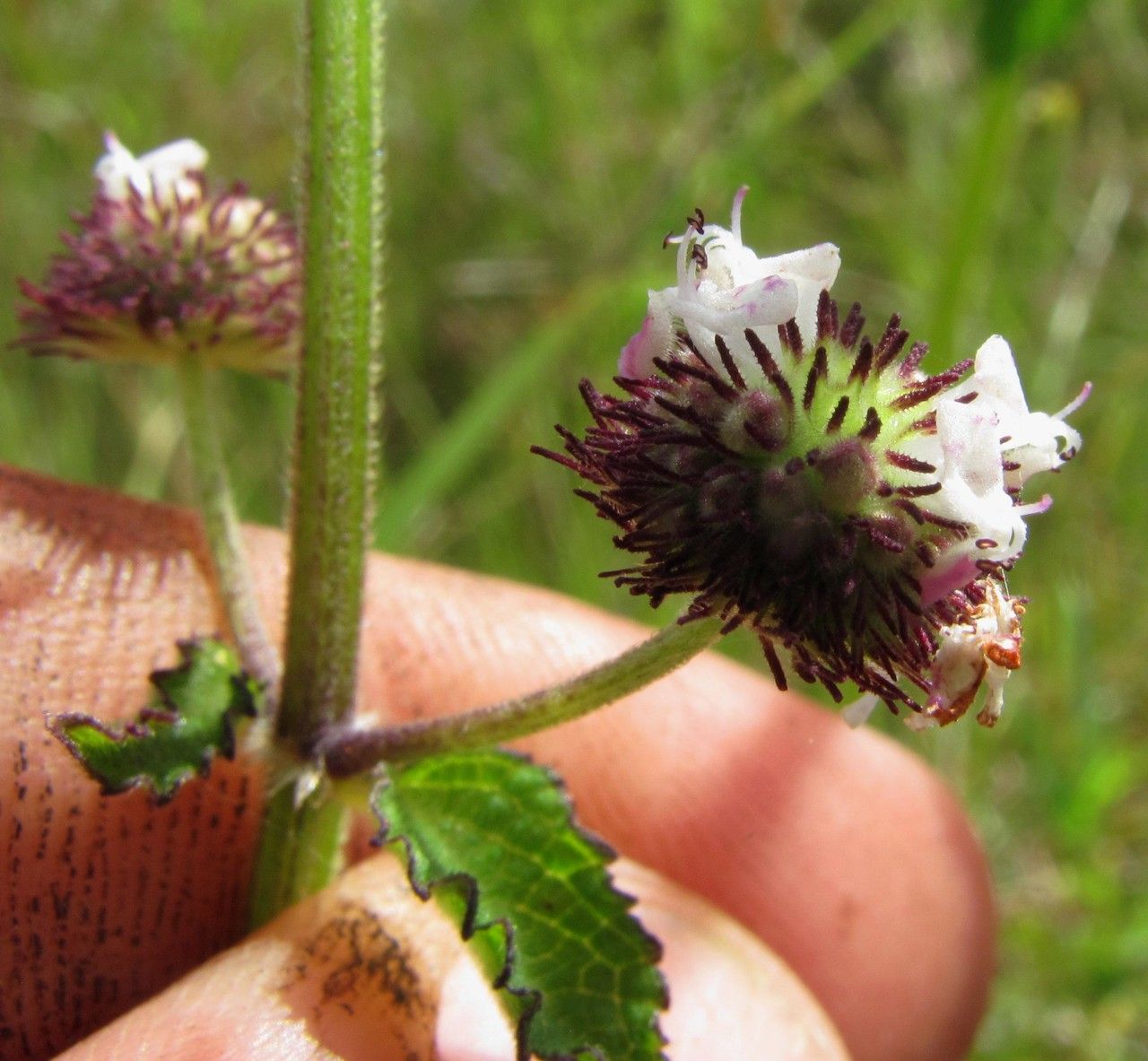
Let’s talk about Hyptis recurvata, shall we? This little gem, often called “Mint Bush” for its lovely fragrance, is a real treat for the garden. Its cheerful purple flowers and attractive, often silvery foliage make it a standout. Plus, getting more of them to grow yourself? That’s just pure gardening joy, and I’m here to guide you through it! Don’t worry, it’s a pretty forgiving plant, so even if you’re just starting out, you’ll likely find success.
The Best Time to Start
For Hyptis recurvata, the absolute best time to propagate is during its active growing season. Think late spring through early summer. The plant is full of energy then, making it much more receptive to taking root. Trying to propagate after it’s finished flowering, or when it’s stressed by heat or cold, will be a much tougher go.
Supplies You’ll Need
Here’s what you’ll want to have on hand:
- Sharp, clean pruning shears or a craft knife
- Seedling potting mix or a well-draining blend of perlite and peat moss
- Small pots or seed trays
- Rooting hormone (optional, but it can give you a nice boost)
- A spray bottle for misting
- Plastic bags or a mini greenhouse to maintain humidity
- A warm spot out of direct sun
Propagation Methods
We’ll focus on the easiest and most reliable way to get more Hyptis recurvata: stem cuttings.
-
Take Your Cuttings: Find a healthy, non-flowering stem on your mature plant. Using your sharp shears, take a cutting that is about 4 to 6 inches long. Make your cut just below a leaf node (where a leaf attaches to the stem).
-
Prepare the Cuttings: Gently remove the lower leaves from the cutting, leaving just a few sets of leaves at the top. This helps the plant focus its energy on rooting, not on supporting a lot of foliage. If your leaves are quite large, you can even cut them in half to further reduce water loss.
-
Apply Rooting Hormone (Optional): Dip the cut end of the stem into your rooting hormone. Tap off any excess. This step isn’t strictly necessary for Hyptis, but it can speed things up and increase your success rate.
-
Plant Your Cuttings: Fill your small pots or trays with your prepared potting mix. Make a small hole in the center of the soil with your finger or a pencil. Insert the cut end of your Hyptis cutting into the hole. Gently firm the soil around the stem to ensure good contact.
-
Provide the Right Environment: Mist the cuttings lightly with your spray bottle. Then, cover the pots loosely with a plastic bag or place them in a mini greenhouse. This creates a humid environment, which is crucial for cuttings to root. Place the pots in a bright spot but out of direct, harsh sunlight.
The “Secret Sauce”
Here are a couple of things I’ve learned over the years that really make a difference:
- Don’t Let Leaves Touch the Soil: When you’re setting up your cuttings, try your best to ensure the remaining leaves aren’t sitting directly on the soil surface. This can encourage rot, and nobody wants that!
- Bottom Heat is Your Friend: If you have the option, placing your pots on a gentle heat mat specifically designed for plant propagation can significantly speed up root development. It mimics the warmth of spring soil really well.
Aftercare & Troubleshooting
Once your cuttings are planted, keep the soil consistently moist but not waterlogged. You’ll want to mist them regularly (daily is probably a good idea) and lift the plastic cover for a few minutes each day to allow for air circulation and prevent mold.
You’ll know your cuttings have started to root when you see new growth emerging from the top. You can also gently tug on a cutting; if you feel resistance, roots have formed. Once they’ve got a good root system, you can gradually acclimate them to normal indoor conditions by slowly opening the plastic cover over a few days. Then, you can transplant them into their own individual pots.
The most common problem you might encounter is rot. If you see stems turning black and mushy, it’s usually a sign of too much moisture and not enough air circulation. If this happens, discard the affected cuttings and try again, paying closer attention to watering and ventilation.
A Little Patience Goes a Long Way
Propagating plants is such a rewarding venture. It teaches you so much about patience and the resilience of nature. Don’t get discouraged if your first few attempts aren’t perfect. Keep trying, observe your plants, and enjoy the process of nurturing new life. Happy gardening!
Resource:
https://identify.plantnet.org/k-world-flora/species/Hyptis%20recurvata%20Poit./data