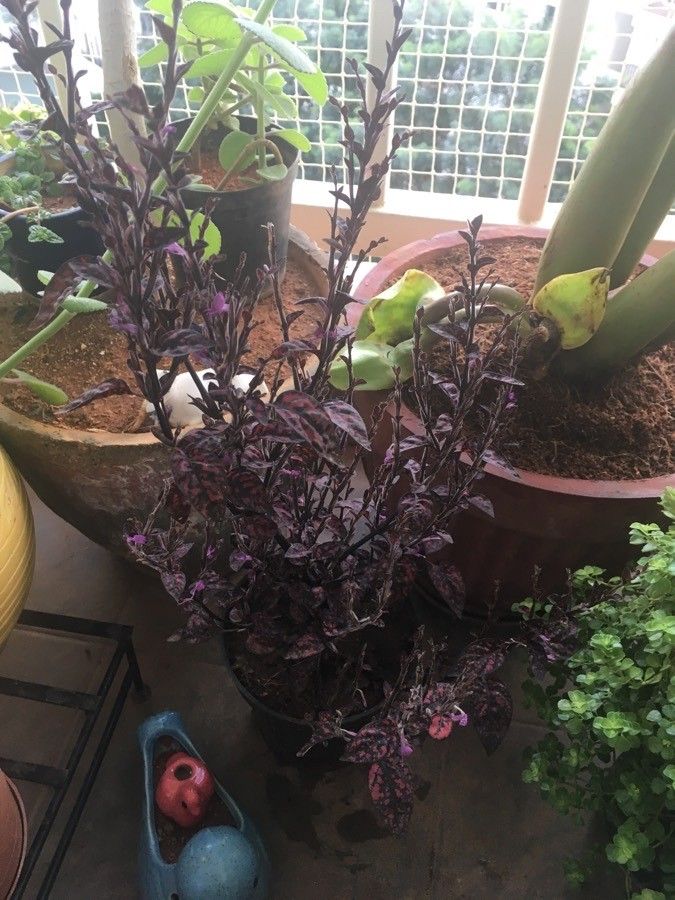
Hey there, fellow plant lovers! Today, we’re delving into the wonderful world of propagating Hedeoma nana, also known as Dwarf American Pennyroyal. If you’ve ever admired its delicate, aromatic foliage and charming little flowers, you’ll know why I’m so excited to share how you can bring more of this gem into your garden. This is a truly rewarding plant to multiply, and I think even beginners will find it quite manageable with a few pointers.
The Best Time to Start
Hedeoma nana is a trooper, but it’s happiest when we give it a head start during its active growing season. Spring and early summer are your golden windows. This is when the plant is full of vigor and ready to channel that energy into putting down new roots. Trying to propagate when it’s dormant or stressed is just asking for disappointment, so let’s work with nature’s rhythm.
Supplies You’ll Need
- Sharp, clean pruning shears or a scalpel: For precise cuts. Dulling tools can cause damage.
- Well-draining potting mix: A commercial seed-starting mix or a blend of peat moss, perlite, and a little compost works beautifully. You want something airy.
- Small pots or seed trays: Clean ones, please!
- Rooting hormone (optional but helpful): A powder or gel can give your cuttings a boost.
- Plastic bags or propagation dome: To create a humid environment.
- Spray bottle: For gentle misting.
- Labels and a pen: To keep track of what you’ve planted and when.
Propagation Methods
For Hedeoma nana, stem cuttings are my go-to method. It’s reliable and gives you a good chance of success.
- Select Your Cuttings: Look for healthy, non-flowering stems on a mature plant. You want stems that are somewhat firm but still flexible, not woody or completely floppy. Aim for cuttings about 3-4 inches long.
- Make the Cut: Using your clean shears, make a clean cut just below a leaf node (where a leaf emerges from the stem). This is where the magic happens for root formation.
- Prepare the Cuttings: Gently remove the leaves from the bottom half of the cutting. You want to expose the nodes where roots will form, and fewer leaves mean less stress on the cutting as it tries to establish itself.
- Apply Rooting Hormone (If Using): Dip the cut end of the stem into your rooting hormone. Tap off any excess.
- Plant Your Cuttings: Fill your small pots or trays with the moist (not soggy) potting mix. Gently insert the prepared cuttings into the mix, ensuring the nodes are buried. Space them a few inches apart if using a tray.
- Create a Humid Environment: Water the soil lightly with your spray bottle. Then, cover the pots or tray with a plastic bag, creating a mini-greenhouse effect. A propagation dome works perfectly if you have one.
The “Secret Sauce” (Pro Tips)
Here are a couple of things I’ve learned over the years that make a real difference:
- Bottom Heat is Your Friend: If you have a seedling heat mat, place your pots on it. This gentle warmth encourages root development from below, significantly upping your success rate, especially if your home is a bit on the cool side.
- Don’t Drown Them: While humidity is crucial, soggy soil is a death sentence. Let the top inch of soil dry out slightly between waterings. It’s tempting to keep them constantly wet, but they need a bit of air to prevent rot.
Aftercare & Troubleshooting
Once your cuttings are planted and covered, find them a spot with bright, indirect light. Keep the soil consistently moist but not waterlogged, and remember to open the bag or dome for a few hours each day to allow for air circulation and prevent fungal issues.
You’ll know your cuttings are happy when you see new leaf growth starting to emerge from the top. This usually takes a few weeks. Resist the urge to tug on them! Patience is key.
The most common problem you might encounter is rot. If your cuttings turn mushy and black, it’s a strong sign of too much moisture and not enough airflow. Unfortunately, these are usually lost causes, so it’s best to discard them and start fresh, paying extra attention to drainage and ventilation next time. Yellowing leaves can sometimes indicate too much direct sun or insufficient water, so adjust accordingly.
A Encouraging Closing
Propagating plants, like Hedeoma nana, is a beautiful journey. It requires a little patience and observation, but the reward of nurturing new life from a single stem is immense. Don’t be discouraged if you have a few failures along the way; every gardener does! Just keep experimenting, keep learning, and most importantly, keep enjoying the process. Happy propagating!
Resource:
https://identify.plantnet.org/k-world-flora/species/Hedeoma%20nana%20(Torr.)%20Briq./data