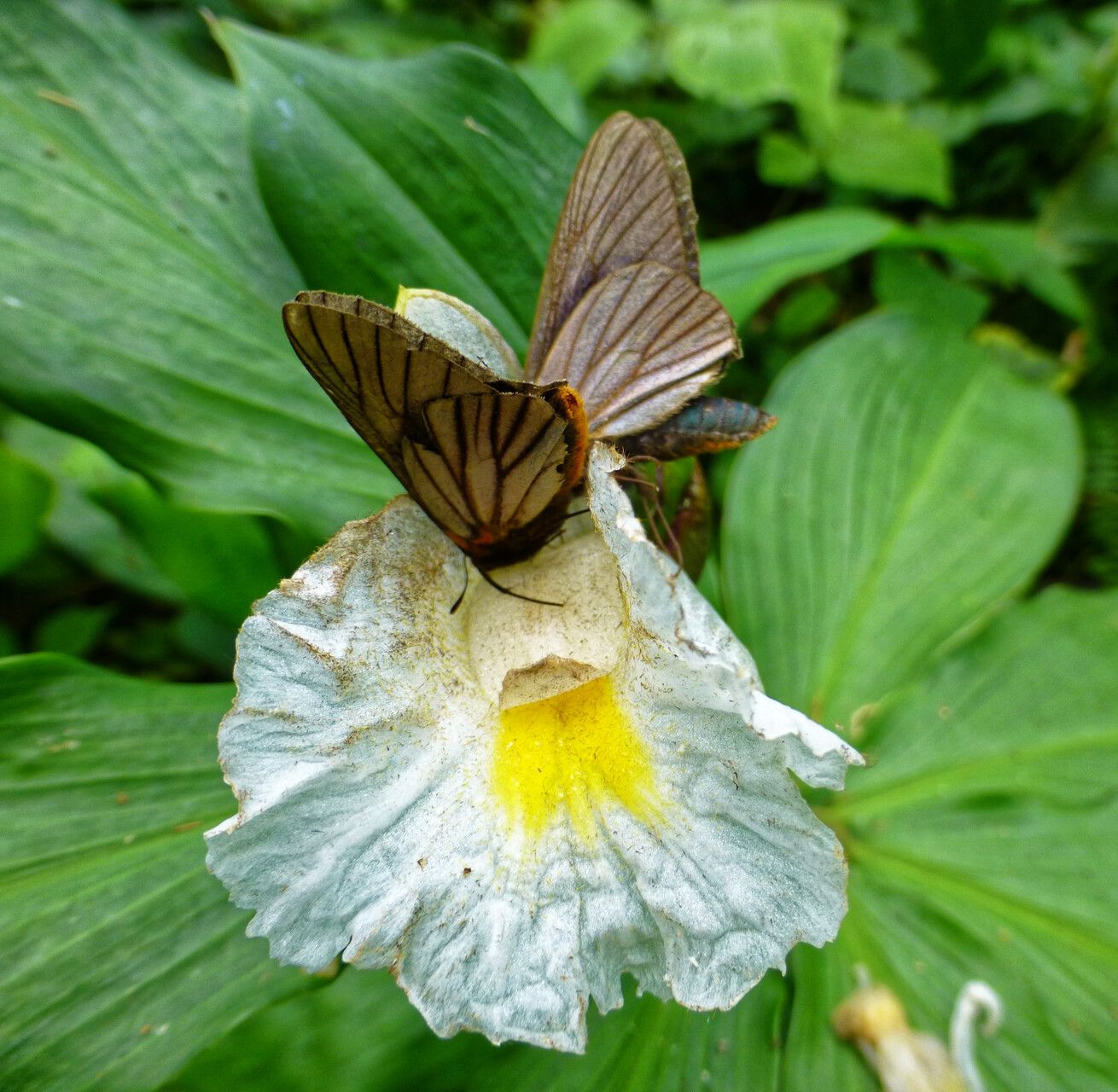
Hey there, fellow plant lovers! If you’re anything like me, you’ve probably fallen head over heels for the vibrant, architectural beauty of Costus afer, often called the ‘Spiral Ginger’ or ‘Caning Ginger’. Those glossy, spiraling leaves and those showy, often white or creamy, floral bracts are just stunning, aren’t they? And the best part? They’re surprisingly rewarding to share.
Propagating Costus afer is a fantastic way to fill your own garden with more of these beauties, or to brighten up a friend’s day with a new plant baby. For those of you just dipping your toes into the world of propagation, I’m happy to say that Costus afer is generally quite forgiving. It’s a wonderful plant to start with!
When Should We Get Started?
The sweet spot for propagating Costus afer is really when the plant is in its most vigorous growth phase. Think late spring or early summer. This is when the plant has plenty of energy stored up, making it much more likely to send out new roots and shoots. Avoid propagating during its dormant period.
What Will You Need?
Gathering your supplies before you start makes the whole process much smoother. Here’s what I like to have on hand:
- Sharp Pruning Shears or a Clean Knife: For making clean cuts.
- Rooting Hormone (Optional but Recommended): Especially for stem cuttings, this can give them a good boost. Look for one containing IBA (indole-3-butyric acid).
- Well-Draining Potting Mix: A mix of peat moss, perlite, and compost works beautifully. You can also buy specific cactus or succulent mixes.
- Pots or Trays: Clean containers with drainage holes are essential.
- Watering Can or Spray Bottle: For gentle watering.
- Labels: To keep track of what you’ve planted!
Letting New Life Bloom: Propagation Methods
Costus afer is a trooper, and it’s quite adaptable. Here are the most straightforward ways to multiply your plants:
Stem Cuttings: Sharing a Piece of the Spiral
This is my go-to method for Costus afer.
- Find a Healthy Stem: Look for a mature stem that’s at least 6-10 inches long. You want a stem that has plenty of healthy leaf nodes (the little bumps along the stem where leaves emerge).
- Make the Cut: Using your sharp shears or knife, make a clean cut just below a leaf node. Remove the leaves from the bottom half of the cutting. If your cutting is very long, you can trim it down to a manageable size.
- Dip in Rooting Hormone: If you’re using rooting hormone, dip the cut end of the stem into it. Tap off any excess.
- Planting Time: Gently insert the cut end of the stem into your prepared potting mix. Make sure at least one or two leaf nodes are buried beneath the surface.
- Water Gently: Water the potting mix thoroughly but gently. You want it moist, not waterlogged.
Division: Splitting the Crowd
This method works wonders when your Costus afer has become a bit crowded in its pot or in the garden.
- Gently Remove Plant: Carefully dig up the entire Costus afer clump. If it’s in a pot, gently tip it out.
- Separate the Rhizomes: Look for the fleshy underground stems, called rhizomes. You should be able to see where new shoots are emerging from.
- Make the Split: Using your hands or a clean knife, gently divide the clump into smaller sections. Each section should have at least one healthy shoot and a good portion of rhizome.
- Replant: Pot up your divisions in well-draining soil, ensuring the rhizome is just covered with soil. Water them in well.
My Little “Secret Sauce”
After years of getting my hands dirty, I’ve picked up a few tricks that really seem to make a difference.
- Don’t Crowd Your Cuttings: When planting stem cuttings, give them some breathing room. If they’re too close together, they can compete for resources and are more prone to fungal issues.
- The Power of Humidity: Costus afer loves a humid environment, especially when trying to root. I like to cover my pots or trays with a clear plastic bag or lid. This creates a little greenhouse effect and keeps the humidity high. Just be sure to open it for a bit of air circulation every day or two to prevent mold.
- Bottom Heat is Your Friend: If you want to speed things up, consider using a heating mat designed for seedlings. Costus afer roots much faster when it has a bit of warmth from below, mimicking those summer soil temperatures.
Aftercare and When Things Go Wrong
Once your cuttings have rooted or your divisions are settled, treat them like you would a young plant. Keep the soil consistently moist but not soggy. Avoid direct, harsh sunlight initially, opting for bright, indirect light.
Sometimes, despite our best efforts, things don’t quite take. If your stem cuttings start to look yellow and limp, or if they develop a mushy, black base, that’s usually a sign of rot. This often happens because the cuttings were kept too wet, or the soil wasn’t draining well enough. It’s a bummer, but don’t get discouraged!
Keep Planting, Keep Growing!
Propagating plants is a dance with nature, and it’s all about patience and observation. Each new plant you nurture is a little victory, and a wonderful way to connect with the natural world. So, don’t be afraid to get your hands dirty, try these methods, and enjoy the journey. Happy gardening!
Resource:
https://identify.plantnet.org/k-world-flora/species/Costus%20afer%20Ker%20Gawl./data