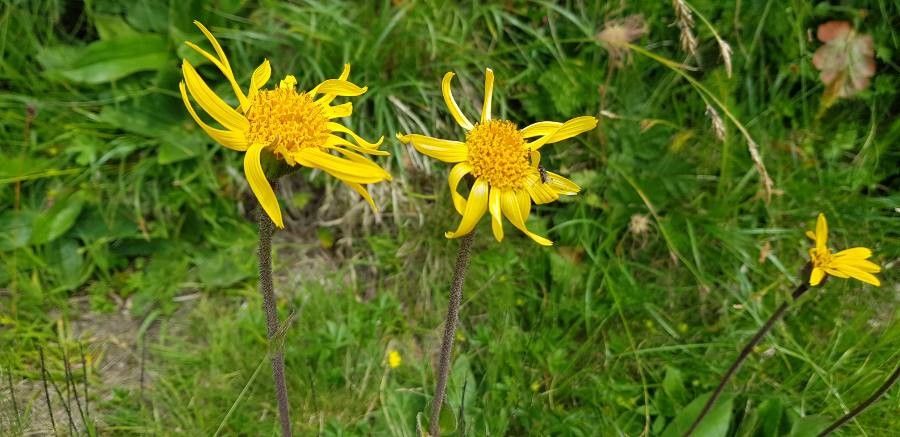
Hello fellow garden enthusiasts! I’m so glad you’re here. Arnica montana, with its sunny disposition and its traditional uses, is a plant that truly captures the heart. Growing it from scratch is a wonderful journey, and I’m here to guide you every step of the way. While Arnica can be a little bit particular about its conditions, especially for beginners, don’t let that deter you. With a few key techniques, you can absolutely be successful. The reward of a new Arnica plant, nurtured by your own hands, is truly special.
The Best Time to Start
For Arnica, the most successful propagation generally happens in spring, as the plant is coming out of its dormancy. You’ll want to work with a plant that has new, vigorous growth. If you’re considering division, wait until after it has finished flowering, usually in late summer or early fall, before the really cold weather sets in.
Supplies You’ll Need
Here’s a rundown of what you’ll want to have on hand:
- Sharp pruning shears or a clean knife: For making precise cuts.
- Well-draining potting mix: A blend of peat moss, perlite, and coarse sand is ideal. Arnica hates soggy feet!
- Small pots or seed trays: Clean ones are crucial to prevent disease.
- Rooting hormone (optional but recommended): A powder or gel can give cuttings a real boost.
- Watering can with a fine rose: For gentle watering.
- Plastic bags or propagation domes: To create a humid environment for cuttings.
- Gravel or perlite for drainage: A layer at the bottom of pots is helpful.
- Labels and a marker: To keep track of your efforts!
Propagation Methods
Arnica is most commonly propagated through two main methods: division and stem cuttings. Let’s dive into each.
Division
This is a great method for mature plants and is best done when the plant isn’t actively flowering or setting seed.
- Gently unearth your Arnica plant. It’s best to do this after a good watering so the soil is a bit moist, making excavation easier.
- Inspect the root ball. Look for distinct crowns or shoots. You want to separate sections that have their own root system.
- Carefully divide the plant. Use your hands, or a clean trowel or knife, to gently pull or cut the root ball into smaller pieces. Ensure each piece has healthy roots and at least one shoot or bud.
- Replant immediately. Pot each division into its own container filled with your well-draining potting mix. Water gently.
Stem Cuttings
This method requires a bit more patience, but it’s incredibly satisfying.
- Select healthy stems. In spring, look for non-flowering shoots that are about 3-4 inches long.
- Make the cut. Using your sharpest shears, make a clean cut just below a leaf node (where a leaf attaches to the stem).
- Prepare the cutting. Remove the lower leaves from the cutting, leaving just a couple at the top. If you’re using rooting hormone, dip the cut end into it now, tapping off any excess.
- Plant the cutting. Fill a small pot with your well-draining mix. Make a small hole with your finger or a pencil and insert the cutting, ensuring the leaf nodes that will be below the soil are covered. Gently firm the soil around the stem.
- Create a humid environment. Water very gently. Then, cover the pot with a plastic bag or a propagation dome. Make sure the leaves don’t touch the plastic if possible. Stick a few skewers into the soil to keep the bag elevated.
- Provide warmth. Place the pots in a bright spot, but out of direct sunlight, which can scorch the delicate cuttings. If you have a heat mat, placing the pots on it can really encourage rooting – this is a great secret sauce tip!
The “Secret Sauce” (Pro Tips)
Having grown Arnica for years, I’ve picked up a few tricks that make a real difference:
- Air circulation is key. Even with a humidity dome, occasional ventilation is vital. Open the bag or dome for a few minutes each day to prevent fungal diseases.
- Bottom heat is your friend for cuttings. That gentle warmth from below really encourages root development for your stem cuttings. It mimics ideal rooting conditions.
- Forget the water propagation for Arnica. While tempting, Arnica cuttings really struggle to root in plain water. They much prefer the consistent moisture and support of a soil medium.
Aftercare & Troubleshooting
Once your cuttings have developed roots (you’ll know when you see new growth or feel resistance when you gently tug), or your divisions are settled, the real nurturing begins.
- Watering: Water only when the top inch of soil feels dry. It’s better to underwater slightly than to overwater. Arnica is prone to root rot, so good drainage is paramount.
- Light: Continue to keep them in bright, indirect light for the first few weeks. Gradually introduce them to more direct sun as they become stronger.
- Transplanting: Once your new plants are robust and have a good root system, you can transplant them into slightly larger pots or their permanent garden location. Keep them well-watered during this transition.
If you encounter issues, mushy stems or blackening at the soil line are classic signs of root rot. This usually means too much moisture and not enough air circulation. Don’t be discouraged if a few don’t make it; it happens to the best of us! Just learn from it and try again.
So there you have it! Propagating Arnica montana is a wonderfully rewarding endeavor. Be patient with your new plants, give them the right conditions, and you’ll be rewarded with beautiful blooms and the satisfaction of having grown them yourself. Happy gardening!
Resource:
https://identify.plantnet.org/k-world-flora/species/Arnica%20montana%20L./data