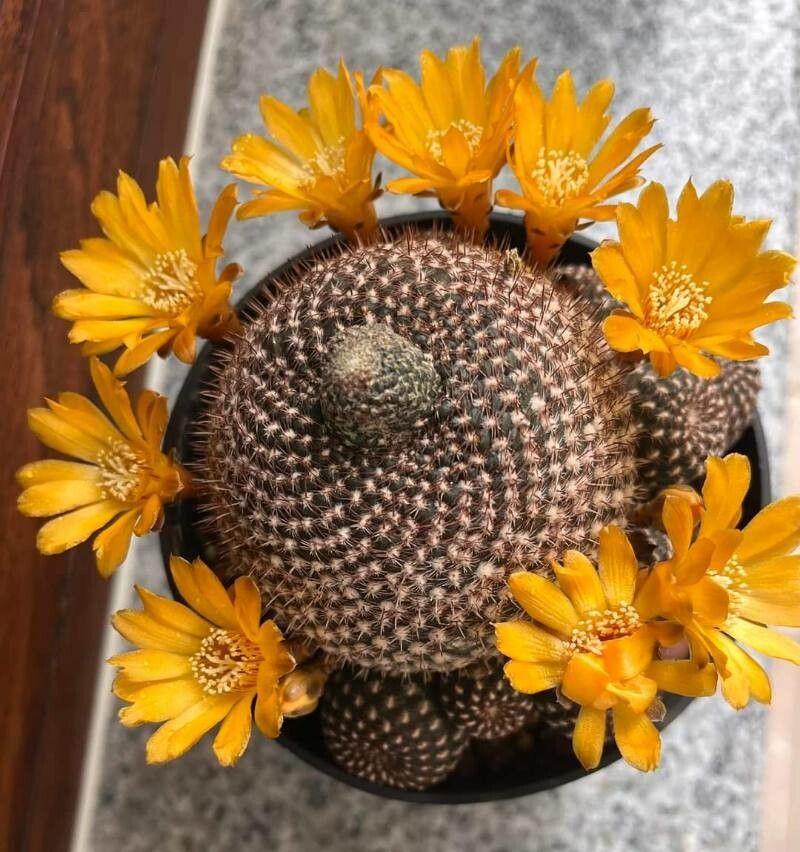
Oh, hello there! So glad you’ve stopped by my little corner of the internet. Today, we’re going to talk about a gem of a cactus: Rebutia arenacea. If you’ve ever seen one of these beauties, you know exactly why I adore them. Their clusters of vibrant flowers erupting from fuzzy stems are just pure joy. And the best part? Propagating them is surprisingly rewarding, and it’s not as daunting as you might think for beginners. You’ll be growing your own little cactus family in no time!
The Best Time to Start
For Rebutia species, the spring and early summer are truly your golden window. This is when the plant is actively growing and has the most energy to put into developing new roots. You’ll find it much easier to get good results if you can give your cuttings or divisions a full growing season to establish themselves.
Supplies You’ll Need
Gathering your tools beforehand makes the whole process much smoother. Here’s what I usually have on hand:
- Sharp, clean pruning shears or a knife: For taking clean cuts. Think of it like surgery for your plant – precision is key!
- Well-draining cactus/succulent soil mix: You can buy this pre-made, or I like to mix my own with equal parts potting soil, perlite, and coarse sand.
- Small pots or trays: terracotta pots are excellent as they allow the soil to breathe.
- Gravel or perlite: For top-dressing to improve drainage and airflow.
- Rooting hormone (optional but recommended): A little sprinkle can give your cuttings a boost.
- Watering can with a fine rose or spray bottle: For gentle watering.
- Gloves (optional): If you’re sensitive to cactus spines.
Propagation Methods
Rebutia arenacea is a clumping cactus, meaning it naturally produces offsets or “pups” at its base. This makes division the easiest and most successful method for us!
Method 1: Division (The Easy Way!)
- Gently remove the mother plant from its pot. You might need to loosen the soil around the edges with a knife.
- Inspect the root ball. You’ll see smaller plantlets growing off the main stem.
- Carefully separate the offsets. Use your fingers to gently wiggle them loose. If they’re stuck, use your clean shears or knife to make a clean cut, ensuring each offset has some roots attached.
- Let the cuts heal. This is SUPER important. Place the separated offsets on a paper towel or newspaper in a dry, well-ventilated spot for 2-3 days. You’ll notice the cut end dries out and forms a callous. This prevents rot when you replant.
- Pot them up. Fill your small pots with your well-draining cactus mix. Make a small hole in the center and insert the rooted offset. Gently firm the soil around it.
- Don’t water immediately! Wait at least a week before giving them their first light watering. This allows any tiny root nicks to heal.
Method 2: Stem Cuttings (If you don’t have pups)
While division is preferred, you can take cuttings from the top of a cluster if needed.
- Select a healthy stem segment. Use your clean shears to make a clean cut.
- Allow it to callous. Just like with division, let the cutting dry out for 3-5 days until the cut end is sealed.
- Insert into soil. You can dip the calloused end into rooting hormone if you like. Then, plant the cutting about an inch deep in your prepared cactus mix.
- Wait for roots. Again, resist the urge to water for at least a week.
The “Secret Sauce” (Pro Tips)
Here are a few little tricks I’ve learned over the years that can really make a difference:
- Bottom Heat: If your propagating area is a bit cool, a seedling heat mat can work wonders. It encourages root development without drying out the soil too quickly.
- Don’t Bury Them Deep: When potting up divisions or cuttings, you want them to sit on the soil or be just barely covered. Too much soil contact can lead to rot, especially before they’ve developed roots.
- Sunshine, But Not Scorching Sun: Newly propagated plants are a bit fragile. Give them bright, indirect light. Direct, hot sun can scorch them before they’re established.
Aftercare & Troubleshooting
Once you see signs of growth – a little plumpness in the stem or tiny new spines – you know roots are forming!
- Watering: Water sparingly. Let the soil dry out completely between waterings. In the early stages, a light misting from a spray bottle might be enough. As they grow, you can water them like mature cacti.
- Potting Up: Once your plants are well-rooted and have put on some growth, you can move them into slightly larger pots. Don’t rush this; happy roots are more important than a big pot.
- Rot: The biggest enemy of cactus propagation is rot. If you see a stem turning mushy, dark, and smelling unpleasant, it’s succumbed to rot. Sadly, it’s usually best to discard it to prevent it from spreading to other plants. This is why proper callousing and careful watering are so critical!
Growing plants from cuttings or divisions is such a fulfilling part of gardening. It connects you to the plant in a special way, and seeing those tiny rosettes unfurl and grow is just the best.
So, grab your tools, be gentle, and trust the process. Patience is truly your best friend here. You’ve got this, and soon you’ll have a whole collection of these delightful Rebutia blooms to enjoy! Happy propagating!
Resource:
https://identify.plantnet.org/k-world-flora/species/Rebutia%20arenacea%20Cárdenas/data