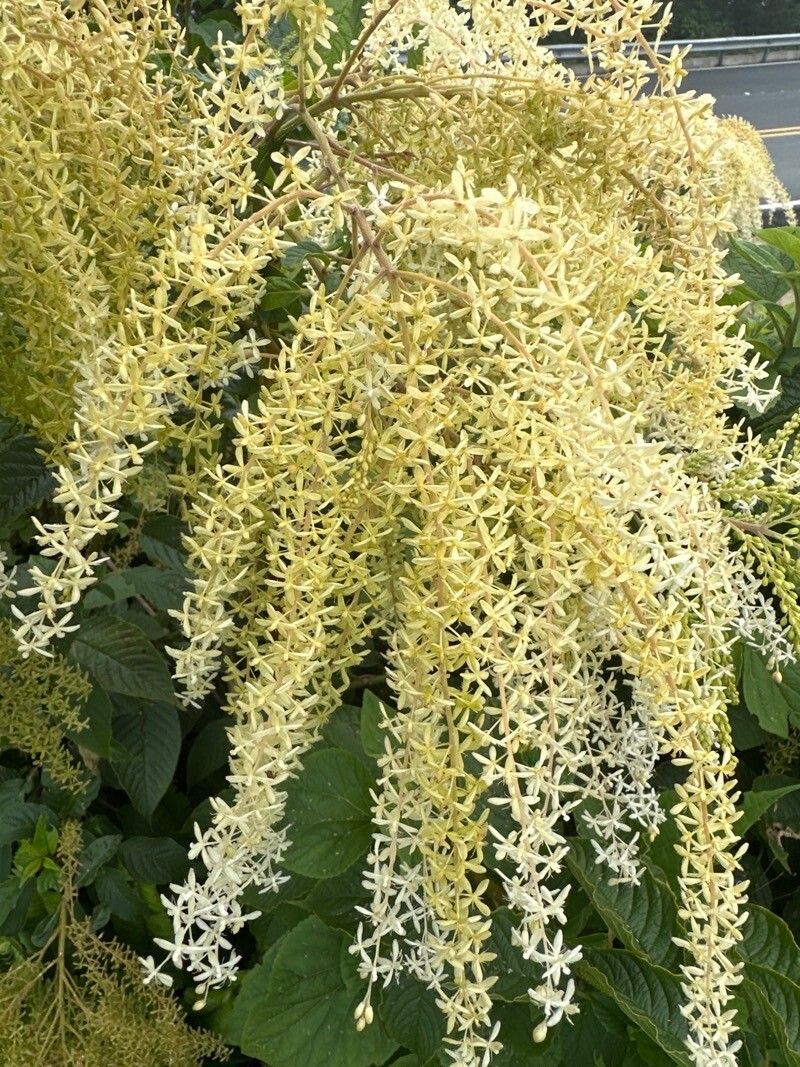
Hello, fellow plant lovers! It’s so good to have you here today. We’re going to dive into a truly special plant: Ledenbergia peruviana. If you’ve ever admired its unique, trailing foliage and wondered how you could get your hands on more of this beauty, you’re in the right place. Propagating Ledenbergia peruviana is a wonderfully rewarding experience, and while it might have a slight learning curve, I think it’s a fantastic challenge for anyone wanting to expand their green thumb.
The Best Time to Start
For the absolute best chances of success, I like to propagate my Ledenbergia peruviana in late spring or early summer. This is when the plant is actively growing and has stored up plenty of energy. You want to work with healthy, vigorous stems that feel firm, not woody or brittle. Think of it as giving your cuttings the best possible start with the warmest temperatures and longest daylight hours.
Supplies You’ll Need
Gathering your supplies beforehand makes the whole process so much smoother. Here’s what I always have on hand:
- Sharp pruning shears or a clean, sharp knife: For making clean cuts.
- Rooting hormone (optional but recommended): A powder or gel to help encourage root development.
- Well-draining potting mix: I like to use a mix of equal parts perlite, orchid bark, and peat moss, or a good quality cactus/succulent mix.
- Small pots or propagation trays: With drainage holes, of course!
- Clear plastic bags or a propagation dome: To create a humid environment.
- Spray bottle: For misting.
- Labels and a pen: To keep track of your projects!
Propagation Methods
Ledenbergia peruviana is quite adaptable, and I’ve found the stem cutting method to be the most reliable and easiest way to multiply your plants. Here’s how I do it:
- Take Your Cuttings: Using your clean shears or knife, take cuttings that are at least 4-6 inches long. Look for stems that have a few sets of leaves. Make your cut just below a leaf node (the point where a leaf attaches to the stem).
- Prepare the Cuttings: Gently remove the lower leaves from the cutting, leaving about two or three leaves at the top. You can also trim any very large leaves in half to reduce water loss.
- Apply Rooting Hormone (Optional): If you’re using rooting hormone, dip the cut end of the stem into the powder or gel. Tap off any excess.
- Plant Your Cuttings: Fill your small pots with your well-draining potting mix. Make a small hole in the center with your finger or a pencil. Gently insert the cut end of the Ledenbergia cutting into the hole, ensuring the leaf nodes are below the soil surface. Firm the soil gently around the cutting.
- Create Humidity: Water the soil lightly, just enough to make it moist but not soggy. Then, place the pot inside a clear plastic bag or cover it with a propagation dome. This traps humidity, which is crucial for cuttings to root. Just make sure the plastic isn’t directly touching the leaves.
The “Secret Sauce” (Pro Tips)
Over the years, I’ve picked up a few tricks that seem to make all the difference.
- One thing I always do is to avoid letting the leaves touch the water if you happen to be experimenting with water propagation (though I strongly recommend the soil method). Rot can set in very quickly if leaves are submerged.
- When you’re trying to encourage serious root action, bottom heat can be a game-changer. Placing your pots on a heat mat specifically designed for seedlings can significantly speed up the rooting process. It mimics the warmth of the soil after a spring rain.
- And a little tip I learned the hard way: don’t overwater. It’s so tempting to drench new cuttings, but this is a fast track to rot. Keep the soil consistently moist, like a wrung-out sponge, but never waterlogged.
Aftercare & Troubleshooting
Once your cuttings have rooted – and you’ll know this because you’ll feel a gentle resistance when you tug on the stem, or you might even see new growth – it’s time for a little more attention. Gradually acclimate your new plant to normal room conditions by opening the plastic bag or dome a little more each day. Continue to water when the top inch of soil feels dry.
The most common issue you might encounter is rot. If your cutting turns mushy or black, it’s likely due to too much moisture. If this happens, remove the affected cutting immediately to prevent it from spreading. Sometimes, a cutting just doesn’t take; don’t be discouraged! It happens to all of us.
A Encouraging Closing
Propagating Ledenbergia peruviana is a journey of patience and observation. It’s about understanding the plant’s needs and giving it the right conditions to thrive. Don’t be afraid to experiment, and most importantly, enjoy the process. Watching a tiny cutting transform into a beautiful, new plant is one of the greatest joys a gardener can experience. Happy propagating!
Resource:
https://identify.plantnet.org/k-world-flora/species/Ledenbergia%20peruviana%20O.C.Schmidt/data