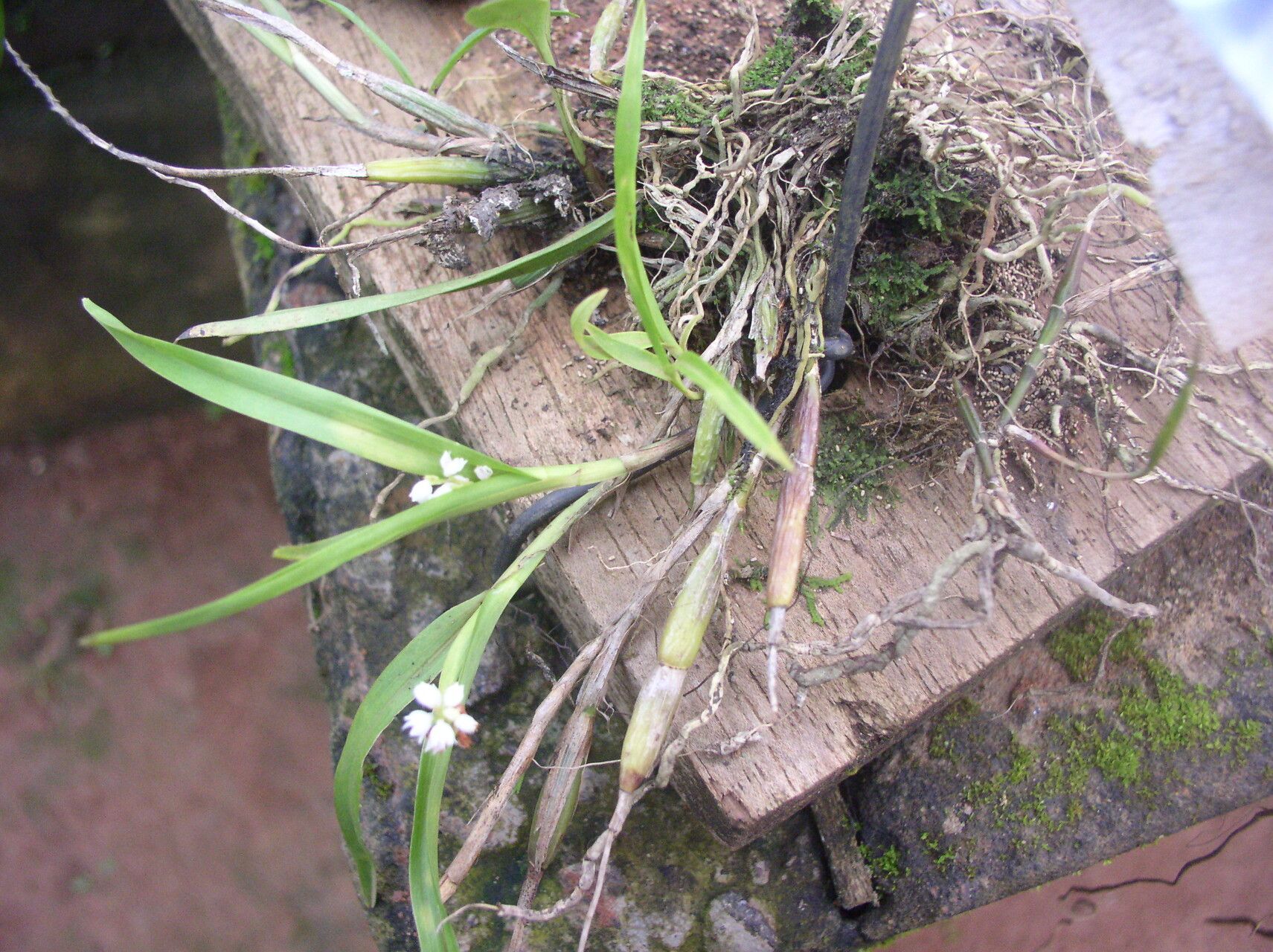
Oh, hello there! Come on in and pull up a chair. I’ve got a pot of something warm brewing, and I’m so excited to chat with you about a little gem I’ve been nurturing for years: Polystachya calluniflora. This orchid, with its delicate, calluna-like blooms, is a real charmer. Propagating it is incredibly rewarding, a chance to watch new life unfurl from something you already love. Now, I wouldn’t exactly call it a beginner-level orchid project, but with a little patience and these tips, I truly believe you can master it.
The Best Time to Start
Timing, as they say, is everything. For Polystachya calluniflora, the sweet spot for propagation is generally late spring to early summer, just as the plant is finishing its flowering cycle and gearing up for active growth. You’re looking for a healthy, robust pseudobulb or stem that hasn’t been stressed by bloom or extreme heat. This is when the plant has the most stored energy to invest in new roots and shoots.
Supplies You’ll Need
Before we get our hands dirty, let’s gather our tools. Think of it as preparing your workspace for a beautiful creation:
- Sharp, sterile pruning shears or a clean knife: Essential for making clean cuts without damaging the parent plant. I always give mine a quick wipe with rubbing alcohol.
- A good orchid potting mix: I prefer a mix that allows for excellent drainage. Things like fine orchid bark, perlite, and a touch of charcoal are usually perfect. Avoid anything too dense or moisture-retentive.
- Small pots or trays: Clean, with drainage holes, of course! Don’t go too big; slightly cramped roots often encourage new growth.
- Rooting hormone (optional but helpful): A gentle touch of rooting powder can give those new cuttings a little boost.
- A spray bottle: For light misting, keeping things humid without waterlogging.
- Clear plastic bag or humidity dome: To create a mini-greenhouse effect.
Propagation Methods
Polystachya calluniflora is best propagated through division – it’s the most reliable way to get a good start.
Division:
- Gently remove the orchid from its pot. If it’s been in the same pot for a while, you might need to gently loosen the root ball around the edges.
- Inspect the root system. Look for healthy pseudobulbs (those swollen stem-like structures) that have at least two or three leaves attached and, ideally, a few healthy roots emerging from the base.
- Carefully separate the divisions. Using your sterile shears or knife, make a clean cut between the pseudobulbs. You want to ensure each division has enough healthy roots to support its growth. Don’t be afraid if a few roots get damaged; the plant is resilient.
- Let the cuts heal. It’s a good idea to let the cut surfaces on the divisions air dry for a few hours, or even overnight, in a well-ventilated spot. This helps prevent rot.
- Pot up your new divisions. Place each division in its own small pot with your chosen orchid mix. Position the pseudobulb so that the base is just at the surface of the potting medium.
- Water sparingly. Just a light watering to settle the mix. Avoid soaking it.
The “Secret Sauce” (Pro Tips)
Here are a few little tricks I’ve learned over the years that make a big difference:
- Don’t overwater, EVER: This is probably the most crucial tip for Polystachya calluniflora. They are prone to rot if their roots stay too wet, especially when they’re trying to establish. Think of it as giving them just what they need, not a soak.
- Humid, not wet, environment: While they like humidity, a wet leaf or crown is an invitation for trouble. My trick is to mist the air around the plant rather than directly onto the leaves. If you use a humidity dome, just a light mist inside is enough to create that humid microclimate.
- Patience is your best fertilizer: New growth can take its sweet time appearing. Don’t get discouraged if you don’t see roots or a new shoot immediately. Give it time, and trust in the process.
Aftercare & Troubleshooting
Once your divisions are potted, keep them in a bright, indirect light location. Avoid direct sun, which can scorch delicate new growth.
- Watering: Water very lightly when the potting mix is almost dry. It’s better to underwater than overwater at this stage. You might only need to water once a week, or even less.
- Humidity: Maintain good humidity. A gentle misting daily or a tray of pebbles filled with water placed nearby can help.
- Fertilizing: Hold off on fertilizer until you see clear signs of new growth, like a new leaf or a developing root tip. Then, start with a very weak orchid fertilizer (one-quarter strength) every other watering.
Troubleshooting: If you notice yellowing leaves or mushy areas on the pseudobulbs, that’s usually a sign of overwatering and potential rot. In this case, you may need to unpot the plant, remove any rotted parts and repot it in fresh, dry mix. If you see no sign of life for many weeks, don’t give up just yet. Sometimes they are busy developing roots beneath the surface.
A Little Encouragement
Propagating Polystachya calluniflora is a journey, not a race. It’s about observing, nurturing, and celebrating those tiny victories. Be patient with yourself and the plant. Each new shoot is a testament to your care and dedication. Go ahead, give it a try – you might surprise yourself with what blooms from these efforts!
Resource:
https://identify.plantnet.org/k-world-flora/species/Polystachya%20calluniflora%20Kraenzl./data