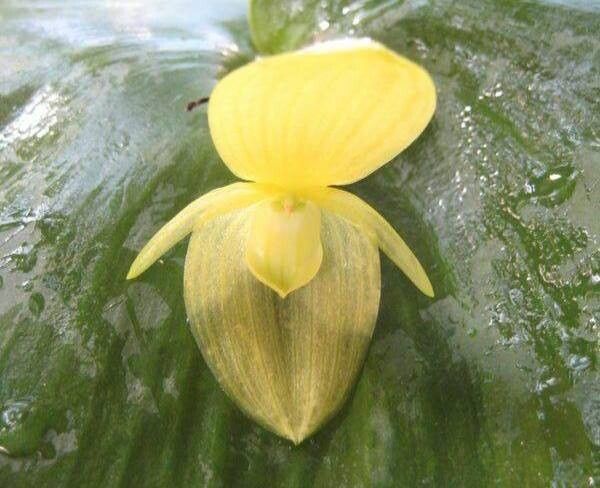
Oh, hello there! So glad you’re interested in Pleurothallis cardiothallis. This little orchid, with its darling heart-shaped leaves and delicate blooms, is such a joy to have in the collection. It’s got this way of bringing a touch of subtle romance to any windowsill. And the best part? You can easily multiply this charm, bringing that whisper of beauty to more spaces, or sharing it with fellow plant lovers.
Now, is it a walk in the park for a total beginner? Honestly, Pleurothallis cardiothallis leans a bit more towards the “intermediate” side of things. It’s not impossible, not at all! But it does appreciate a gentle hand and a bit of understanding about its needs. That said, once you learn its rhythm, propagating it becomes incredibly rewarding.
The Best Time to Start
For Pleurothallis cardiothallis, I find late spring to early summer is your sweet spot. Think of it as the plant’s prime growing season. New growth is vigorous, energy levels are high, and this means your cuttings or divisions are more likely to take off with gusto. It’s also a good time because you’re less likely to encounter the chill that can stress young, vulnerable plantlets.
Supplies You’ll Need
Gathering your tools beforehand makes the whole process much smoother. Here’s what I usually have on hand:
- Sharp, sterile pruning shears or a clean razor blade: Essential for making clean cuts and preventing disease. Wipe them down with rubbing alcohol before and after.
- Well-draining potting mix: I prefer a blend that’s light and airy, something like a mix of orchid bark, perlite, and a touch of coco coir. Avoid anything that holds too much moisture.
- Small pots or propagation trays: Choose something that fits your cuttings or divisions comfortably. Tiny terracotta pots are lovely for this.
- Clear plastic bags or a humidity dome: To create a humid environment for your cuttings.
- Rooting hormone (optional but helpful): A good quality rooting powder can give your cuttings a little boost.
- Watering can with a fine rose or spray bottle: For gentle watering.
- Labels and a permanent marker: So you don’t forget what you’ve planted where!
Propagation Methods
Pleurothallis cardiothallis is most successfully propagated through division and stem cuttings. Let’s dive into how I do it.
A. Division (My Favorite for this Orchid)
This is usually the most straightforward method for Pleurothallis cardiothallis. It’s essentially separating a mature plant into smaller sections.
- Gently unpot your mature plant. Remove it from its current container and carefully tease away as much of the old potting mix as you can, exposing the root structure.
- Identify natural divisions. Look for sections of the plant that have their own roots and at least one healthy leaf or pseudobulb. You might be able to see where the plant is naturally clumping.
- Separate the sections. Using your sterile shears or a clean knife, carefully cut through the rhizome (the creeping stem that connects the pseudobulbs) between the divisions. Make sure each new division has a good set of roots. If a section seems to have no roots, don’t worry too much; it might still form them with good care.
- Pot up your new divisions. Plant each section in its own small pot filled with your well-draining orchid mix. Ensure the roots are covered but the base of the plant isn’t buried too deep.
- Water lightly. Give them a gentle watering to settle the mix around the roots.
B. Stem Cuttings
This method takes a bit more patience but can be very successful.
- Select a healthy stem. Look for a mature plant that has a healthy, actively growing stem, ideally with a few leaves.
- Make a clean cut. Using your sterile shears, cut the stem just below a node (where a leaf attaches), ensuring the cutting is at least a few inches long and has at least two leaves.
- Prepare the cutting. If you’re using rooting hormone, dip the cut end into it.
- Potting the cutting. Plant the cut end of the stem about an inch deep in your well-draining orchid mix. You can place two or three cuttings in a single pot, spaced a few inches apart.
- Create a humid environment. Lightly water the potting mix and then cover the pot with a clear plastic bag or place it in a propagation tray. Make sure the leaves don’t touch the plastic if possible.
The “Secret Sauce” (Pro Tips)
You know, after all these years, it’s the little things that often make the biggest difference.
- Don’t overwater new divisions. New divisions, especially ones without a robust root system yet, can rot very easily if the potting mix stays sodden. It’s better to err on the side of slightly too dry than too wet in the first few weeks.
- Bottom heat is your friend for cuttings. If you’re doing stem cuttings, placing the pot on a gentle heat mat specifically designed for plant propagation can significantly encourage root development. It mimics the warm soil they’d naturally grow in.
- Be patient with leaf emergence on cuttings. For stem cuttings, it can sometimes feel like an eternity before you see new leaf growth. Don’t be discouraged just because you don’t see immediate activity. As long as the leaves remain green and firm, the cutting is putting down roots.
Aftercare & Troubleshooting
Once your divisions are potted or your cuttings are in their humid environment, here’s how to nurture them.
- Light: Place them in bright, indirect light. Think of the dappled shade under a larger tree. Direct sun will scorch those delicate new leaves.
- Watering: For divided plants, keep the potting mix slightly moist but never soggy. For cuttings, mist the leaves occasionally and check the soil moisture regularly.
- Air Circulation: While humidity is key for cuttings, stagnant air can encourage fungal issues. Periodically open the plastic bag or lid for a few hours each day to allow for some air exchange.
Now, about troubleshooting. The most common sign of trouble is rot. If you see leaves turning yellow and mushy, or if the stems become soft and black, it’s usually due to too much moisture. If this happens, carefully remove the affected parts with your sterile tool and let the plant air out a bit more. For divisions, gently check the roots; if they’re brown and mushy, they’re rotten. You might need to repot with fresh, drier mix.
A Little Patience Goes a Long Way
Propagating plants is a wonderful act of horticultural faith. It requires a bit of trust in the process and, of course, a good dose of patience. Every little leaf unfurling, every tiny root appearing, is a victory. So, grab your tools, embrace the rhythm of your Pleurothallis cardiothallis, and enjoy the delightful journey of bringing new life into your growing space. Happy propagating!
Resource:
https://identify.plantnet.org/k-world-flora/species/Pleurothallis%20cardiothallis%20Rchb.f./data