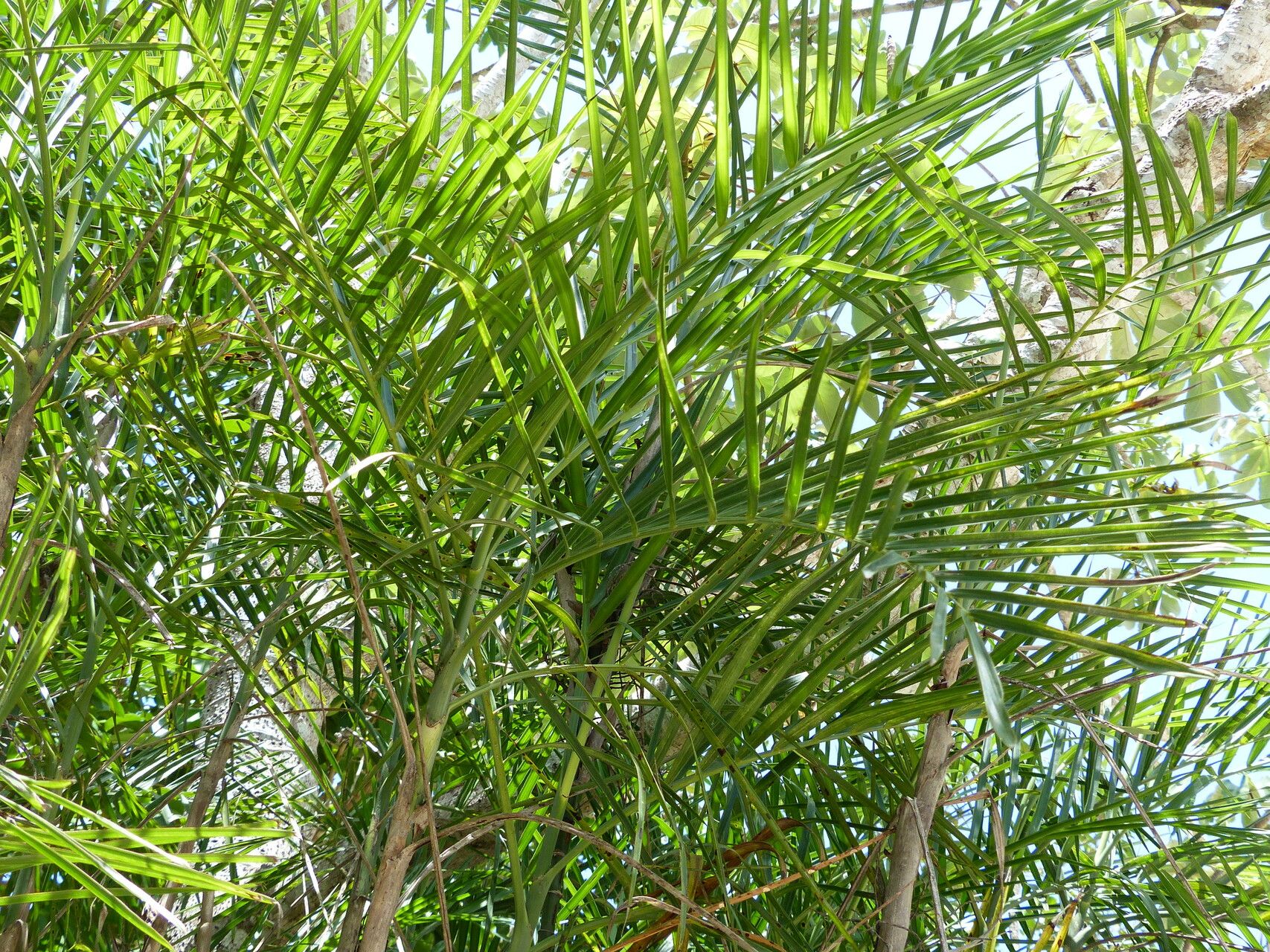
Oh, hello there! I’m so glad you’re thinking about propagating your Chamaedorea seifrizii, or as many of us affectionately call it, the Bamboo Palm. This one is a real gem for indoor gardeners. It brings that lovely, lush, tropical feel to any corner without being fussy. And the reward of growing your own from a cutting or division? Absolutely priceless! If you’re wondering if it’s beginner-friendly, I’d say it’s moderately easy. It’s not going to just sprout roots on a whim, but with a little attention, you’ll be successful. Trust me.
The Best Time to Start
My favorite time to tackle propagation for the Bamboo Palm, and honestly most houseplants, is spring or early summer. When the days are getting longer and the plant is already thinking about putting on new growth, it’s full of energy. This means your cuttings or divisions will be more eager to root and establish themselves. You can try it outside this window, but spring is definitely your best bet for a speedy success.
Supplies You’ll Need
Before we get our hands dirty – or rather, our hands clean and ready! – let’s gather our tools. Here’s what I always have on hand:
- Sharp, sterile pruning shears or a knife: You want clean cuts to prevent disease. I always give mine a quick wipe with rubbing alcohol.
- Well-draining potting mix: A good blend for this palm is about 2 parts peat moss or coco coir, 1 part perlite, and 1 part orchid bark. This allows for good aeration and prevents soggy roots.
- Rooting hormone (optional but helpful): A powder or gel helps encourage root development. Look for one with a medium concentration.
- Small pots or propagation trays: Choose something that fits your cuttings or divisions comfortably. Make sure they have drainage holes!
- A mister or spray bottle: For keeping humidity levels up.
- Clear plastic bag or a propagation dome: To create a mini-greenhouse effect.
- Small garden trowel or spoon: For scooping soil.
Propagation Methods
The Bamboo Palm is a bit of a show-off and tends to produce multiple stems from its base, which makes division its most straightforward propagation method. While stem cuttings are possible, they can be a bit more finicky and take longer to root. Let’s focus on division first as it’s usually more rewarding for this plant.
Method: Division
This is like giving your mature Bamboo Palm a little haircut and a much-needed repot, all while creating new babies!
- Gently remove the plant from its pot. Be sure to loosen the soil around the edges first. If it’s really root-bound, you might need to gently squeeze the pot.
- Inspect the root ball. You’re looking for distinct clumps of stems that have their own roots. Sometimes you can gently tease them apart with your fingers.
- If the roots are tangled, you’ll need your sterile shears or knife. Carefully cut through the root ball, ensuring each section you separate has a good amount of roots and at least one or two healthy stems. Don’t be too shy – a clean cut is better than a ragged tear.
- Pot up your new divisions. Use your well-draining potting mix in clean pots. Plant each division so the base of the stems is at soil level.
- Water thoroughly. Give them a good soak to settle the soil around the roots.
- Place them in a bright, indirect light spot. Avoid direct sun, which can scorch their new leaves.
- Pop a plastic bag over them or use a propagation dome to keep the humidity high. You can let the leaves touch the plastic a bit here, as they are whole plants now, not cuttings.
The “Secret Sauce” (Pro Tips)
I’ve learned a few tricks over the years that seem to make a real difference.
- Don’t overwater immediately after division. While you want the soil moist, waterlogged roots are the enemy of division. Let the soil dry out a little between waterings for the first week or so as the plant settles in.
- Consider a gentle misting for the first few days. Even though they’re divisions, keeping the foliage a little dewy can help reduce transplant shock and encourage them to get back to business.
- Bottom heat is your friend. If you can manage it, placing your newly divided pots on a gentle heating mat (set to around 70-80°F or 21-27°C) can significantly speed up root establishment. It mimics those lovely warm tropical soils.
Aftercare & Troubleshooting
Once your divisions are happily settled in their new pots, keep them in that bright, indirect light. Continue to mist them occasionally if the air is dry, but always allow the soil to dry slightly between waterings. You’ll know they’re taking off when you see new leaf growth appearing.
What if things go wrong? The most common issue is root rot, which usually happens from overwatering. You’ll see yellowing leaves, wilting even when the soil is wet, and sometimes a mushy base. If you suspect rot, gently unpot the plant. Trim away any black, mushy roots with sterile shears. Repot in fresh, dry potting mix and be much more conservative with your watering. Don’t get discouraged if one or two don’t make it; it’s all part of the learning curve!
A Encouraging Closing
See? It’s not so daunting, is it? Propagating your Bamboo Palm is a wonderfully rewarding process. Be patient with your new plant babies. They need a little time to adjust and show you what they can do. Enjoy the journey, and soon you’ll have more lush green friends to admire! Happy propagating!
Resource:
https://identify.plantnet.org/k-world-flora/species/Chamaedorea%20seifrizii%20Burret/data