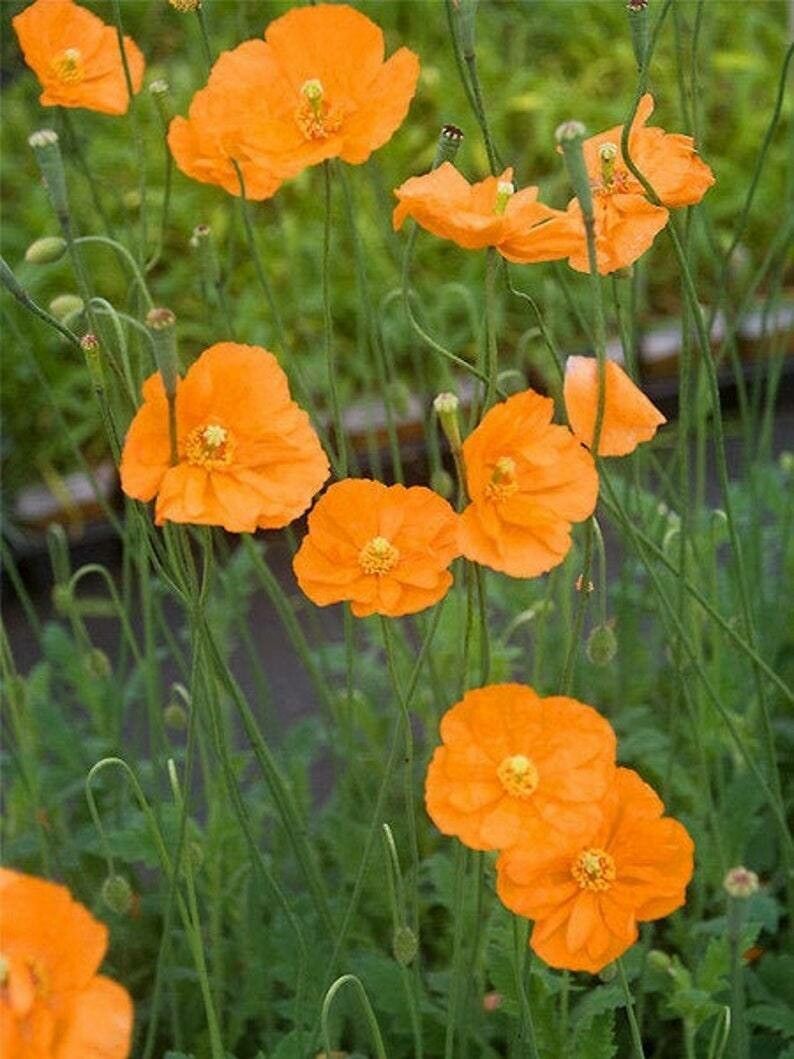
Hello there, fellow plant lovers! It’s so wonderful to share a bit of garden wisdom with you today. We’re going to talk about a plant that truly captures the heart with its delicate, papery blooms: Papaver rupifragum.
Welcoming the Fiery Poppies into Your Garden
These aren’t your typical garden poppies. Papaver rupifragum, often called the “Algerian Poppy” or “Spanish Poppy,” boasts a stunning array of fiery orange and coral shades. Their ruffled petals dance in the slightest breeze, adding a touch of wild, bohemian charm to any space. Propagating them is a deeply satisfying endeavor. It’s like coaxing a bit of that wild magic into your own hands. Are they easy for beginners? I’d say they’re moderately easy. A little gentle care goes a long way, and the rewards are absolutely worth it.
The Best Time to Start Your Poppy Adventure
For Papaver rupifragum, the early spring is generally your golden ticket. Think about when the last frost has kissed your garden goodbye and the soil is beginning to warm up. This is when the plant is gearing up for its most vigorous growth, making it the prime time to encourage new life. You can also have success in the late summer or early autumn, giving the new propagations time to establish before the chill sets in.
Gathering Your Gardening Arsenal
Before we dive in, let’s make sure you have everything you need for a successful propagation.
- Sharp pruning shears or a clean knife: For making precise cuts.
- A well-draining potting mix: I like a blend of seed-starting mix with perlite for excellent aeration.
- Small pots or propagation trays: With drainage holes, of course!
- Rooting hormone (optional but helpful): A powder or gel can give your cuttings a nice boost.
- A watering can with a fine rose: To water gently.
- A propagation mat or warm windowsill: To provide gentle bottom heat.
- Clear plastic bags or dome lids: To create a humid environment for cuttings.
Planting the Seeds of New Life: Propagation Methods
Papaver rupifragum is most commonly propagated through seeds and division. While stem cuttings are possible for some poppies, these particular ones tend to be a bit more challenging to root that way.
Method 1: Sowing Seeds
This is often the most straightforward and rewarding way to get a good number of Papaver rupifragum plants.
- Collect or purchase seeds: If you’re collecting from existing plants, wait until the seed pods have dried on the stalk and the seeds are loose and rattling inside.
- Prepare your seed-starting mix: Fill your pots or trays with your well-draining mix.
- Sow the seeds: Sprinkle the tiny seeds sparsely onto the surface of the soil. Do not bury them deeply. They need light to germinate. A light dusting of fine grit or vermiculite is all they need.
- Water gently: Mist the surface with water until the soil is evenly moist.
- Provide warmth and light: Place the pots in a warm, bright spot. A windowsill that gets plenty of indirect sunlight is perfect. A propagation mat can speed things up.
- Patience is key: Germination can take 10-20 days, sometimes longer. Keep the soil consistently moist but not waterlogged.
- Thin seedlings: Once the seedlings have a couple of true leaves, thin them out gently, leaving the strongest ones spaced a few inches apart.
Method 2: Division
This method is best done in early spring when new growth is just starting to emerge. It’s a great way to rejuvenate an older, overgrown clump.
- Gently excavate: Carefully dig around the base of your Papaver rupifragum plant with a spade or trowel.
- Lift the clump: Loosen the soil and lift the entire clump out of the ground.
- Inspect the roots: Shake off some of the excess soil to reveal the root system. You’ll often see distinct crowns or divisions.
- Separate the divisions: Using your hands or a clean knife, gently pull or cut the clump into smaller sections, each with its own healthy root system and a bit of leafy growth.
- Replant immediately: Plant the divisions into their new locations in the garden or into pots filled with your potting mix, ensuring they are planted at the same depth they were growing before.
- Water well: Water each new division thoroughly to help settle the soil and reduce transplant shock.
The “Secret Sauce”: My Insider Poppy Tips
I’ve learned a thing or two over the years, and here are a few little tricks that make a big difference with these lovely poppies:
- Fresh seeds are best: Poppy seeds don’t have an endless shelf life. For the best germination rates, try to use seeds that are no more than a year old.
- Don’t fuss too much with seedlings: Papaver rupifragum seedlings can be a bit delicate. When thinning them, disturb the soil around them as little as possible. Sometimes, I’ll even use tweezers for this job!
- Embrace the chaos: Poppies, especially these wilder varieties, often look their best when they’re not too rigidly controlled. Don’t be afraid of a little self-seeding too; it often brings more beauty the following year!
Aftercare and Troubleshooting: Nurturing Your New Poppies
Once your seedlings have grown a bit larger or your divisions have settled in, it’s time to give them continued care.
- Light: Ensure they are getting plenty of sunlight. These poppies thrive in full sun.
- Watering: Water them consistently, especially during dry spells, but avoid letting them sit in soggy soil. Good drainage is paramount. This is where most problems arise.
- Pest Watch: Keep an eye out for common garden pests. They’re usually not too bothered, but it’s always good to check.
If you notice any issues, rot is probably the most common sign of trouble, usually due to overwatering. If you see stems going mushy, it’s a sign to ease up on the water and ensure excellent drainage. If your seedlings go leggy and weak, they might not be getting enough light.
Go Forth and Grow!
Propagating Papaver rupifragum is a beautiful way to connect with nature and multiply those gorgeous blooms. Don’t be discouraged if your first attempt isn’t perfect. Gardening is a journey of learning and discovery, and each little plant you nurture is a testament to your budding green thumb. So, get your hands in the soil, be patient, and enjoy the delightful process of growing these fiery little wonders! Happy gardening!
Resource:
https://identify.plantnet.org/k-world-flora/species/Papaver%20rupifragum%20Boiss.%20&%20Reut./data