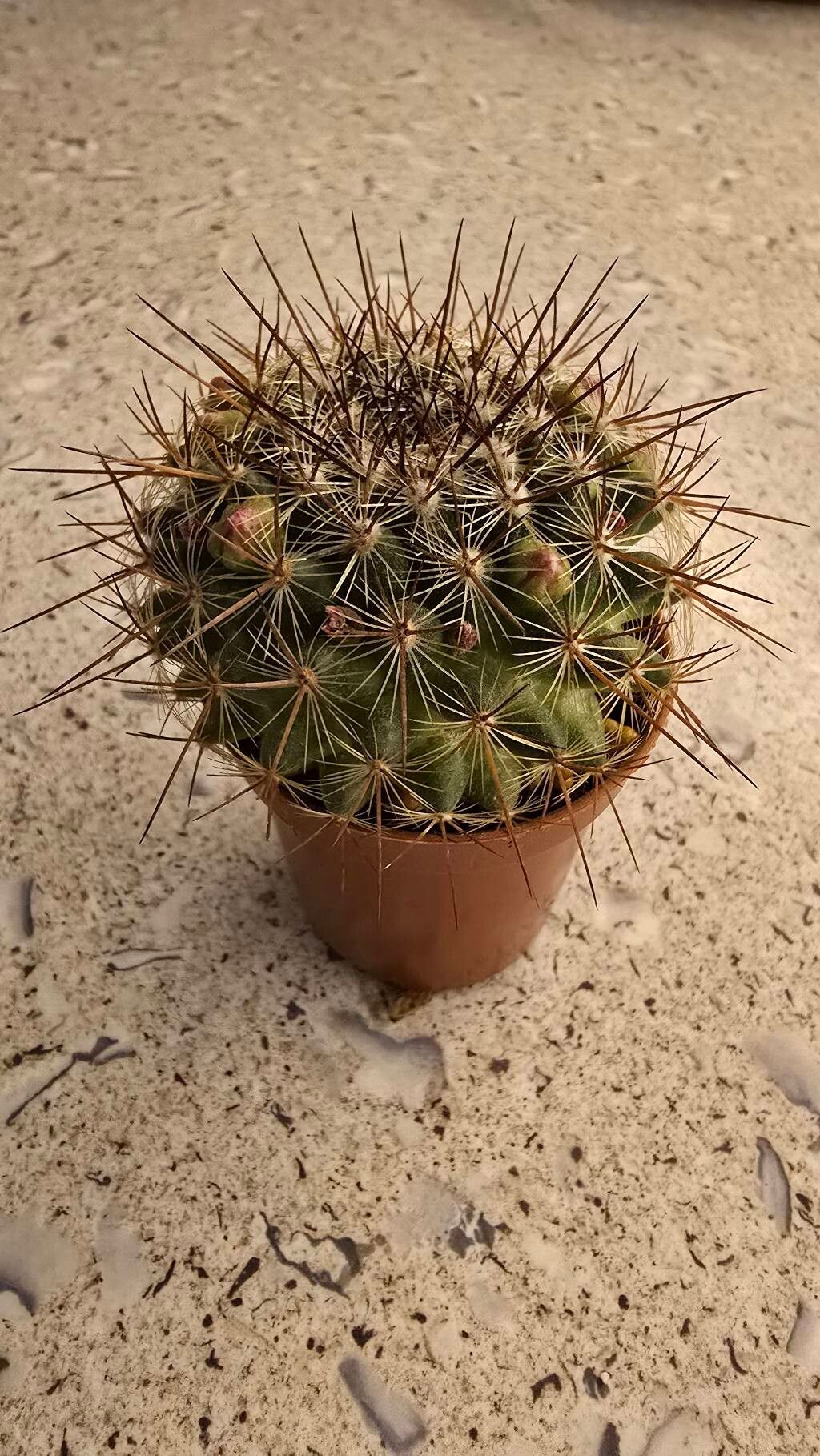
Oh, hello there! Come on in and grab a mug. I’m so glad you’re curious about Mammillaria discolor. For twenty years now, I’ve found so much joy in coaxing new life from beloved plants, and this little cactus is a real charmer. Its beautiful markings and the satisfaction of watching it grow make propagating it a truly rewarding experience. Honestly, if you’ve got a bit of patience, you’ll find that growing new Mammillaria discolor plants is quite beginner-friendly.
The Best Time to Start
When it comes to giving your Mammillaria discolor the best shot at new beginnings, I always aim for the heart of its active growing season. That generally means late spring through summer. The plant is full of energy then, ready to put down roots and flourish. Trying to propagate when it’s resting in winter or just coming out of it can be a bit, well, sluggish.
Supplies You’ll Need
Gathering your supplies beforehand makes the whole process much smoother. Here’s what I usually have on hand:
- Well-draining cactus and succulent mix: You can buy this premixed, or make your own by combining potting soil with perlite and coarse sand. The crucial thing is excellent drainage.
- Sharp, clean knife or pruning shears: Sterilize them with rubbing alcohol to prevent any nasty infections.
- Rooting hormone (optional but helpful): A little sprinkle can really encourage those roots to sprout.
- Gravel or perlite: For the bottom of pots, ensuring even more drainage, or for top dressing.
- Small pots or seed trays: Clean ones, of course!
- A spray bottle: For gentle misting.
- A sunny, warm spot: With good air circulation.
Propagation Methods
Mammillaria discolor is wonderfully amenable to a couple of methods. My favorites are offset removal and stem cuttings, although offsets are usually the most straightforward.
Method 1: Offset Removal (The Easiest Route)
This is your go-to for a quick success. Mammillaria discolor often produces little baby plants, called offsets, around its base.
- Inspect your plant: Look for small, dinky versions of the parent plant growing from the sides or the base.
- Gently tease them free: If they’re loose, you might be able to wiggle them off with your fingers. If they’re firmly attached, this is where your sterilized knife comes in. Carefully cut the offset away from the parent plant, making sure to get a clean break.
- Let them callous: This is super important! Place the offsets in a dry, airy spot, away from direct sun, for a few days to a week. You want the cut surface to dry out and form a callous, like a little scab. This prevents rot when you plant them.
- Plant them up: Once calloused, poke a small hole in your well-draining cactus mix. Dip the calloused end of the offset in a bit of rooting hormone if you’re using it. Then, gently place the offset in the hole and lightly firm the soil around its base. Don’t plant them too deep; just enough for them to stand up.
- Wait for roots: Resist the urge to water immediately! Wait about a week. Then, give it a gentle mist with your spray bottle. You’ll know it has rooted when you see signs of new growth or if it feels a bit more stable when gently tugged.
Method 2: Stem Cuttings (When Offsets Aren’t Available)
This is for when you need to propagate from a larger part of the plant.
- Take a clean cut: Using your sterilized knife, carefully cut off a healthy section of the main stem. Aim for a piece that has at least a few areoles (those little fuzzy bumps where spines grow).
- Callous the cutting: Just like with offsets, this is a critical step. Let the cut end dry and form a callous for about a week to 10 days. Patience here saves a lot of heartache later!
- Plant the cutting: Once calloused, you can plant it similarly to the offsets. Stick the calloused end into your cactus mix. You can add a bit of rooting hormone before planting.
- Provide gentle encouragement: Similar to offsets, hold off on watering for a week, then introduce light misting. You can also place the pot in a warm spot.
The “Secret Sauce” (Pro Tips)
Here are a few things I’ve learned over the years that really make a difference:
- Bottom heat is your friend: For stem cuttings especially, a little warmth from below can drastically speed up root formation. A seedling heat mat works wonders! Just keep the soil temperature around 70-80°F (21-27°C).
- Don’t let the base sit in water: When you eventually do water, make sure the water drains right through. Cacti hate sitting in soggy soil, which is the fastest way to invite rot.
- Air circulation is key: Even after planting, ensure there’s good airflow around your new cuttings. This helps keep them dry and prevents fungal issues. Sometimes, I’ll even use a tiny, low-speed fan.
Aftercare & Troubleshooting
Once your Mammillaria discolor cuttings have started showing signs of life – a bit of new growth, or they hold firm when gently nudged – you can start treating them like a mature plant, but with a bit more finesse.
- Watering: Water thoroughly when the soil is completely dry, then let it dry out again. Misting is still good for very young plants, but as they establish, you’ll want to water them more deeply.
- Sunlight: Gradually introduce them to brighter light. They love plenty of sunshine, but direct, scorching sun can scorch a young, tender plant. Start with bright, indirect light and slowly move them into more direct sun over a few weeks.
- Rot: This is the most common enemy! If you see your cutting turning mushy and black, or it just collapses, it’s likely rot. This usually happens because the cut wasn’t calloused properly, or the soil stayed too wet. Unfortunately, if rot sets in, it’s often game over. If you catch it very early, you might be able to cut away the rotten bits and let the remaining healthy part callous again, but it’s a long shot.
- Dessication: The opposite problem is drying out. If the cutting shrivels up significantly and looks paper-thin, it might not have rooted. Don’t give up too soon, but if it continues to shrink, it might not have been successful.
A Encouraging Closing
Growing new plants is a journey, and Mammillaria discolor is a delightful companion for that journey. Be patient, experiment a little, and trust your instincts. Each new success will bring you a unique kind of satisfaction, a little green gem grown with your own two hands. Happy propagating!
Resource:
https://identify.plantnet.org/k-world-flora/species/Mammillaria%20discolor%20Haw./data