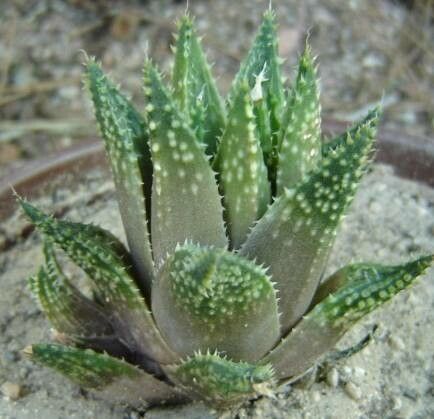
Hey there, fellow plant lovers! I’m so excited to dive into a topic close to my heart today: propagating the darling Haworthia reticulata. If you’ve ever admired those exquisite rosettes with their intricate windowed patterns, you know exactly what I’m talking about. Getting more of these beauties to grow is incredibly satisfying, and I’m here to show you how.
Why Propagate Haworthia Reticulata?
These little succulents are just charming, aren’t they? Their unique patterns and compact size make them perfect for small spaces and cute little displays. Propagating them is a fantastic way to expand your collection without spending a fortune, share them with friends, or even just experiment with creating new variations. For beginners, Haworthia reticulata is a pretty approachable plant to start with when it comes to propagation. Patience is key, as with most things in gardening, but the rewards are well worth it!
The Best Time to Start
The sweet spot for propagating Haworthia reticulata is during its active growing season. For most of us, this means late spring and early summer. The plant is energized and ready to put out new growth and roots. You can also have success in early autumn, but try to give your new propagations enough time to establish before the cooler weather arrives.
Supplies You’ll Need
Before we get our hands dirty, let’s gather our tools:
- Sharp, clean pruning shears or a sharp knife: For making clean cuts.
- Well-draining potting mix: A cactus or succulent mix is perfect. You can even make your own by mixing equal parts potting soil, perlite, and coarse sand.
- Small pots or seed trays: Terracotta pots are my favorites because they breathe well.
- Rooting hormone (optional, but recommended): This can give your cuttings a helpful boost.
- Spray bottle: For gentle watering.
- Tweezers (optional): Handy for handling small offsets.
- Newspaper or paper towels: For letting cuttings callus.
Propagation Methods
Haworthia reticulata is wonderfully versatile, and there are a couple of common ways to bring new plants to life. I find the most success with these two:
1. Offsets (Pups)
This is hands-down the easiest and most successful method. Haworthia reticulata often produces little baby plants, called offsets or pups, around the base of the mother plant.
- Wait for the offset to reach a decent size. I usually wait until it’s about a quarter to a third the size of the parent plant. This gives it a better chance of survival.
- Gently remove the offset. You can carefully work it away from the mother plant with your fingers or use a clean, sharp knife to sever the connection. Try to get a tiny bit of root attached to the offset if possible.
- Let the offset callus. Place the offset on a dry paper towel in a bright, indirect light spot for 2-3 days. This allows the cut surface to dry and form a protective layer, preventing rot.
- Pot it up. Fill a small pot with your well-draining succulent mix. Make a small hole in the soil and gently place the offset in, firming the soil around its base.
- Hold off on watering. For the first week, do not water. The offset will have enough moisture from its original tissue to start rooting. After a week, you can give it a very light watering.
2. Leaf Cuttings (More Challenging, but Possible)
While not as foolproof as offsets for Haworthia reticulata specifically, you can sometimes get new plants from healthy leaves. It requires a bit more patience and a touch more luck.
- Select a healthy, mature leaf. Choose a firm, plump leaf from the mother plant.
- Gently twist or cut the leaf from the stem. Make sure you get a clean break close to the main stem.
- Allow the leaf to callus. Similar to offsets, place the leaf in a bright, dry spot for 3-5 days until the cut end is completely callused over. This is crucial for preventing rot.
- Place the callused end on soil. Lay the leaf on top of your well-draining potting mix, with the callused end just barely touching the surface. Don’t bury it.
- Wait and mist. Keep the soil lightly moist by misting occasionally, but never let it become waterlogged.
- Patience is key! It can take several weeks, or even months, for tiny roots and a new plantlet to form at the base of the leaf.
The “Secret Sauce” (Pro Tips)
Here are a few tricks I’ve learned over the years that can really improve your success rate:
- Don’t let the leaves touch the water if water propagating (which is less common for H. reticulata, but worth noting). If you were to try water propagation for a different succulent, the leaves themselves would rot if submerged. For Haworthia, focus on keeping the base of offsets or leaf cuttings above the water level if you’re attempting that more experimental approach.
- Bottom heat is your friend. If you’re struggling to get things to root, especially if it’s cooler in your home, a gentle heating mat made for seedlings can significantly speed up the process. Just place your pots on top of it. It encourages root development from the soil up.
- Observe, don’t fuss. It’s tempting to constantly check on your propagations, but try to resist the urge to dig them up or overwater them. Let them do their thing. Too much interference can stress them out and lead to problems.
Aftercare & Troubleshooting
Once your offset or leaf cutting has formed roots and you see signs of new growth (a tiny rosette appearing on a leaf cutting, or the offset is firmly anchored), it’s time for a little more focused care.
- Light: Provide bright, indirect light. Too much direct sun can scorch your new, delicate plant.
- Watering: Water sparingly. Allow the soil to dry out completely between waterings. Overwatering is the most common killer of young succulents. When you do water, water thoroughly until you see excess drain from the bottom.
- Monitoring: Keep an eye out for any mushy, discolored spots, especially at the base. This is a sign of rot, usually caused by too much moisture. If you see this, you might need to remove the affected part, let it callus, and try again, or even remove the entire plant if it’s too far gone. Another common issue is shriveling, which can mean it’s not getting enough water or it hasn’t rooted yet and is using up its reserves.
The Joy of Growing
Propagating new plants is such a rewarding journey. It teaches you patience, observation, and the incredible resilience of nature. Don’t be discouraged if your first attempt isn’t a roaring success; we all have plants that don’t make it. Just keep trying, learn from each one, and celebrate every new little Haworthia you bring into the world. Happy growing!
Resource:
https://identify.plantnet.org/k-world-flora/species/Haworthia%20reticulata%20(Haw.)%20Haw./data