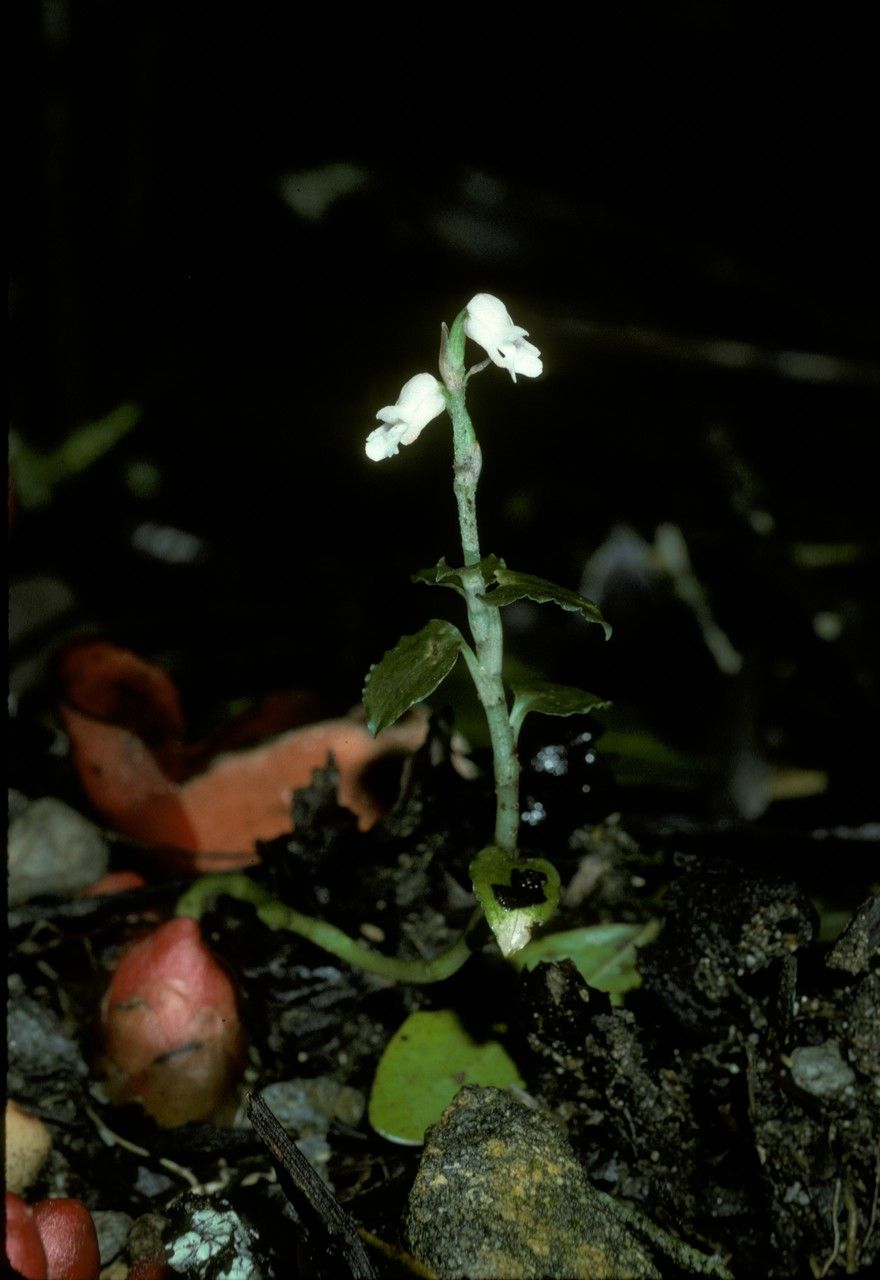
Oh, hello there! I’m so glad you’ve stopped by. Today, we’re going to dive into the wonderful world of propagating Appendicula ramosa. If you’ve ever admired this orchid, with its delicate, branching stems and charming, often fragrant blooms, you’re going to love learning how to create more of them from your existing plants. It’s a truly rewarding feeling to watch a new little plant unfurl its first leaves, knowing you helped bring it into being. Now, is it a beginner-friendly plant to propagate? Honestly, while not the absolute easiest orchid, Appendicula ramosa is quite forgiving with the right approach. You’ve got this!
The Best Time to Start
When it comes to getting the best results, timing is everything. We want to propagate Appendicula ramosa when it’s actively growing. This generally means late spring or early summer. After the plant has finished flowering and you see new shoots or root growth emerging, that’s your cue. This active phase means the plant has plenty of energy to dedicate to developing new roots and foliage on those cuttings.
Supplies You’ll Need
Gathering your tools beforehand makes the whole process smoother. Here’s what I usually have on hand:
- Sharp, sterile pruning shears or a clean knife: Essential for making clean cuts.
- Sterilizing agent: Rubbing alcohol or a diluted bleach solution to keep your tools clean and prevent disease.
- Potting medium: For Appendicula ramosa, a bark-based orchid mix is ideal. Think fine to medium grade, allowing for excellent drainage and aeration. You can also mix in a bit of perlite or charcoal.
- Small pots or containers: These should have drainage holes.
- Rooting hormone (optional but helpful): A powder or gel specifically for orchids can give cuttings a nice boost.
- Watering can or spray bottle: For gentle watering.
- Clear plastic bag or humidity dome (for some methods): To maintain a humid environment for cuttings.
Propagation Methods
Let’s get our hands dirty (or rather, barky!). Appendicula ramosa is most commonly propagated through division or stem cuttings.
Division: The Most Common Approach
This is my go-to method for Appendicula. It’s like giving your plant a little haircut and creating happy new families.
- Gently remove the plant from its pot. If it’s been in there for a while, you might need to carefully loosen the edges with a knife.
- Shake off excess potting medium. You want to see the root structure clearly.
- Identify natural divisions. Look for areas where the plant has naturally branched out, with its own set of roots and at least one or two healthy pseudobulbs or leafy shoots.
- Separate the divisions. Using your sterile shears or knife, carefully cut through the rhizome (the main stem that connects the sections). Make sure each division has a good portion of roots attached. If the rhizome is particularly tough, you can sometimes gently tease it apart with your fingers.
- Pot up the divisions. Plant each separated piece in its own pot filled with your bark mix. Ensure the roots are spread out a bit.
- Water lightly. Just enough to moisten the new potting mix.
Stem Cuttings: A Bit More Patience Required
This method works, but it might take a bit longer to see significant root development.
- Select a healthy stem. Look for a stem that has at least two or three nodes (the small bumps where leaves emerge).
- Make a clean cut below a node. Use your sterile shears to cut the stem.
- Remove the lower leaves. This exposes the node where roots will form.
- Apply rooting hormone (optional). Dip the cut end into your chosen rooting hormone.
- Plant the cutting. Insert the cut end into your prepared seedling orchid mix. You can gently firm the mix around the base.
- Water gently.
The “Secret Sauce” (Pro Tips)
Here are a few little tricks I’ve learned over the years that can really make a difference:
- Air Circulation is Key: While we want humidity for cuttings, stagnant air is the enemy. If you cover your propagations with a plastic bag or dome, open it up for a few minutes daily to allow air to circulate. This helps prevent fungal issues.
- Don’t Drown Your Cuttings: When watering divisions or planted stem cuttings, err on the side of caution. Overwatering is one of the quickest ways to encourage rot. The potting medium should be moist but not waterlogged. If you’re doing water propagation for stem cuttings (which I do less often for Appendicula as division is so effective), ensure no leaves are submerged – they’ll rot instantly.
- The Magic of Bottom Heat: If you have the space, placing your pots on a heating mat designed for seedlings can significantly speed up root development, especially for stem cuttings. It mimics the warmer soil temperatures of their natural habitat.
Aftercare & Troubleshooting
Once your Appendicula ramosa divisions or cuttings are potted, give them a good home. Place them in bright, indirect light. Keep the potting medium consistently lightly moist, but never soggy.
The most common sign of something going wrong is rot. You might notice the stem becoming mushy, or leaves turning yellow and dropping. If you see this, it’s usually a sign of too much moisture and not enough air circulation. Try to remove the affected part with your sterile tool and allow the remaining propagations to dry out a bit more. Yellowing leaves on a division can sometimes just be transplant shock, so give it time. Be patient!
A Little Encouragement Goes a Long Way
Propagating orchids can feel a bit daunting at first, but each time you try, you learn more. Appendicula ramosa is a lovely plant to work with, and seeing new roots emerge is incredibly satisfying. So, grab your tools, give it a go, and remember to enjoy the process. Happy propagating!
Resource:
https://identify.plantnet.org/k-world-flora/species/Appendicula%20ramosa%20Blume/data