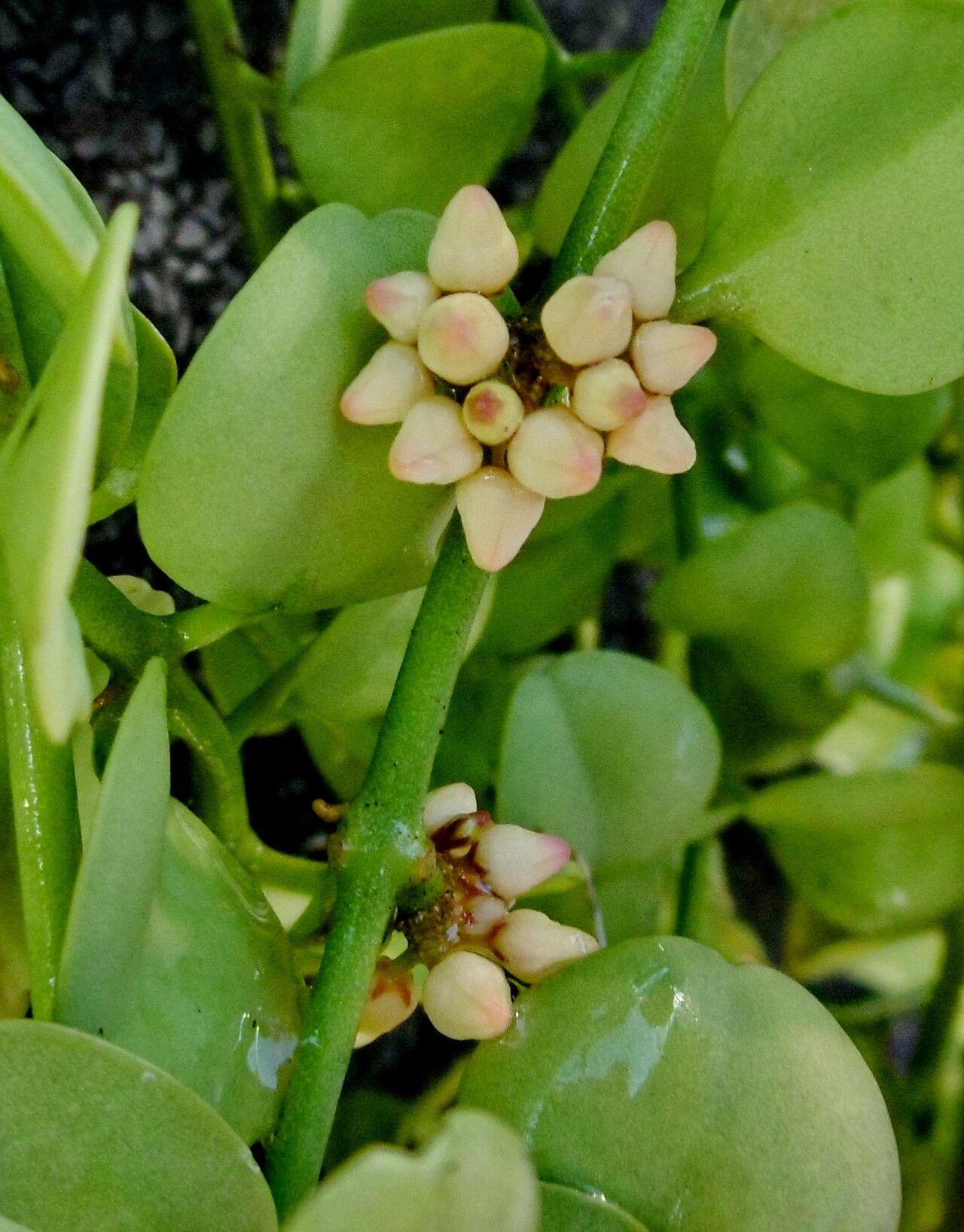
Hello fellow plant lovers! Today, we’re diving into the delightful world of Dischidia nummularia, often called the “Watermelon Dischidia” for its cute, coin-shaped leaves. These trailing beauties are absolute showstoppers in hanging baskets or cascading from shelves. Their delicate vines, adorned with those perfectly round leaves, bring a touch of airy charm to any space. And the best part? Propagating them is a wonderfully rewarding way to multiply that charm and share it with friends! If you’re new to the plant-parenting game, don’t you worry. Dischidia nummularia is a surprisingly easy plant to propagate, making it a fantastic choice for beginners.
The Best Time to Start
For the highest success rate, the spring and early summer are your golden ticket. This is when your Dischidia is in its active growth phase, meaning it’s full of energy and ready to put down new roots. Think of it as the plant’s energetic growth spurt – that’s prime time for propagation!
Supplies You’ll Need
Gathering your supplies beforehand makes the whole process smoother. Here’s what I like to have on hand:
- Sharp pruning shears or scissors: Clean cuts are crucial!
- Seedling or propagation mix: A light, airy blend. I often use a mix of perlite, coco coir, and a bit of worm castings.
- Small pots or trays: Yogurt cups with drainage holes work in a pinch!
- Rooting hormone (optional but helpful): A liquid or powder form.
- Clear plastic bag or propagation dome: To create a mini-greenhouse.
- Spray bottle with water: For gentle misting.
- Patience!
Propagation Methods
There are a couple of fantastic ways to make more Dischidia nummularia. I usually lean towards stem cuttings because they’re quick and effective.
Method 1: Stem Cuttings
This is my go-to for a reason! It’s straightforward and yields great results.
- Select your cuttings: Look for healthy, vibrant stems on your parent plant. You want pieces that have at least 2-3 nodes. A node is where a leaf grows from the stem.
- Make the cut: Using your clean shears, cut just below a node. Aim for cuttings that are about 3-5 inches long.
- Prepare the cutting: Gently remove the leaves from the bottom node or two. This prevents them from rotting in the soil or water.
- Apply rooting hormone (optional): If you’re using rooting hormone, dip the cut end into the powder or liquid. Gently tap off any excess.
- Plant them up:
- In soil: Fill your small pots with the propagation mix. Make a small hole with your finger or a pencil and insert the cut end of the stem. Gently firm the soil around it.
- In water: If you prefer water propagation (which I’ll talk about more in the “secret sauce”), place the prepared cutting in a small jar or vase of water. Make sure no leaves are submerged.
- Create a humid environment: Water the soil lightly (or fill the water jar). Then, cover the pot or jar with a clear plastic bag or a propagation dome. This traps humidity, which is essential for the cutting to root. You can also place it in a larger clear plastic bag, creating a tent over your cuttings.
- Placement: Situate your cuttings in a spot with bright, indirect light. Avoid direct sun, which can scorch the delicate cuttings.
Method 2: Water Propagation (A Little Extra Detail)
While I mentioned it above, water propagation deserves a little spotlight for Dischidia. It’s visually satisfying to see those roots grow!
- Follow steps 1-4 from the stem cuttings method.
- Place in water: Use a clean glass jar or vase. Fill it with lukewarm water.
- The crucial detail: Ensure that the leaves DO NOT touch the water. This is where many water propagation attempts go wrong. Submerged leaves will rot and can take your whole cutting down with them. You might need to gently bend the stem or use a narrower vessel.
- Change the water regularly: Every 2-3 days, discard the old water and replace it with fresh, lukewarm water. This keeps things clean and oxygenated.
- Look for roots: You should start seeing tiny white roots emerge from the nodes within a few weeks.
The “Secret Sauce” (Pro Tips)
Here are a couple of things I’ve learned over the years that really make a difference with these little guys:
- Don’t let the leaves touch the water: I can’t stress this enough for water propagation! It’s the number one reason for rot. If your cutting is long, you can even suspend it using a small piece of wire to keep the leaves clear.
- Bottom heat is your friend: If you have a seedling heat mat, placing your pots on top of it can significantly speed up root development. It mimics the warmth of spring soil and gives those potential roots a gentle nudge.
- Patience with the “aerial roots”: Dischidia naturally grow aerial roots. When you’re propagating, don’t be alarmed if you see tiny little nubs forming. These are the beginnings of roots seeking moisture and anchorage.
Aftercare & Troubleshooting
Once you see signs of new growth or a good root system (tug gently on the cutting – if there’s resistance, it’s likely rooted!), it’s time to move them into their own small pots if they were in water.
- Transitioning from water to soil: When roots are about an inch long, gently plant them in your chosen propagation mix. Water them thoroughly and then proceed with the humid environment tip (plastic bag) for another week or two to help them adjust.
- Care for your new plants: Keep the soil lightly moist but not soggy. Continue to provide bright, indirect light. As they grow, you can gradually acclimate them to their permanent home.
- Watch out for rot: The most common problem is stem rot, which usually appears as a mushy, brown base. This is usually due to overwatering or poor air circulation. If you see this, unfortunately, that cutting might be a goner. Remove it immediately to prevent it from affecting other cuttings. Yellowing leaves can sometimes be a sign of too much or too little water, or insufficient light.
A Encouraging Closing
Propagating Dischidia nummularia is such a satisfying journey. It’s a wonderful way to connect with your plants and watch life multiply. Be patient with the process; some cuttings take their time, and that’s perfectly normal. Celebrate every tiny sign of progress, and before you know it, you’ll be surrounded by a cascade of these charming little plants! Happy propagating!
Resource:
https://identify.plantnet.org/k-world-flora/species/Dischidia%20nummularia%20R.Br./data