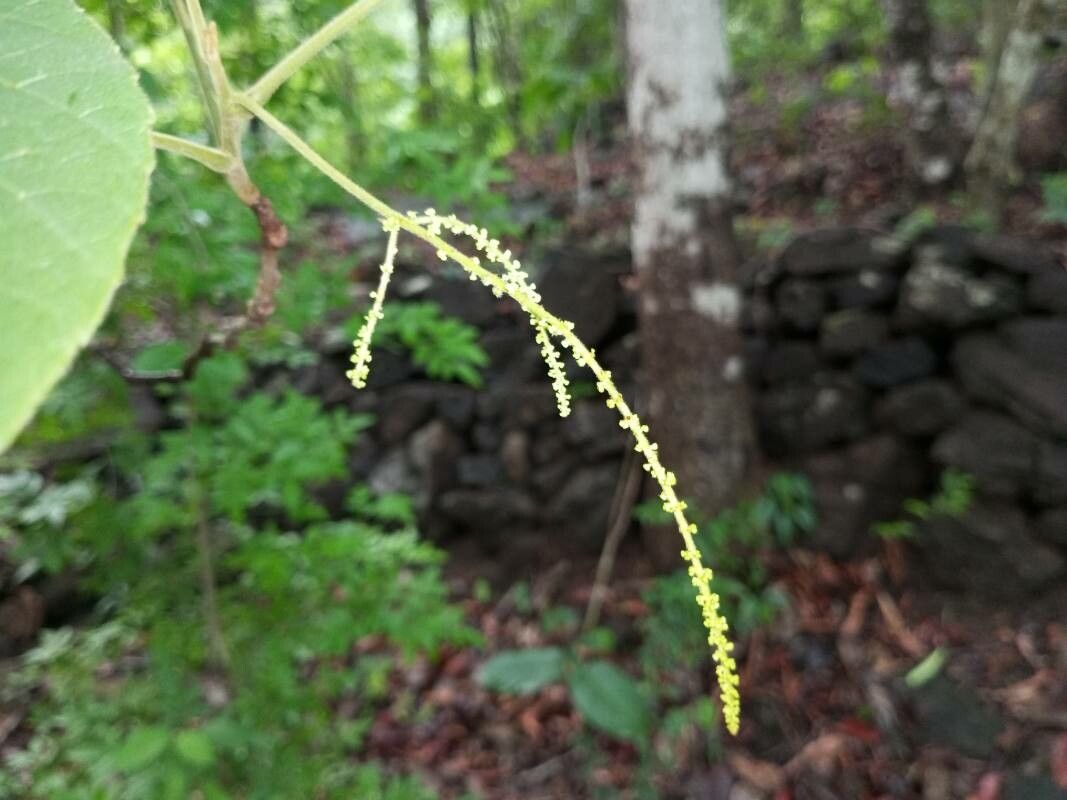
Hello, fellow plant enthusiasts! If you’ve ever admired the lovely, often glossy foliage and delicate flowers of Allophylus serratus, you’ve probably wondered if you could bring a piece of that magic into your own garden. And I’m here to tell you, yes, you absolutely can! This little shrub, with its attractive leaf shape and often subtle, fragrant blooms, is a wonderful addition to many landscapes. For those of you who love the satisfaction of growing your own plants from scratch, propagating Allophylus serratus is a truly rewarding endeavor. While it’s not the absolute easiest plant for a complete beginner, don’t let that deter you. With a little patience and these tips, you’ll be well on your way to success.
The Best Time to Start
When it comes to getting new life from your beloved Allophylus, timing is everything. Generally, the late spring and early summer are your golden windows. This is when the plant is actively growing, fueling its ability to sprout new roots. Look for stems that are semi-hardwood: they are no longer floppy green growth but haven’t yet become fully woody. You can usually identify these by their slightly firmer texture and a pale green to light brown color.
Supplies You’ll Need
Gathering your supplies before you start makes the whole process smoother. Here’s what I usually have on hand:
- Sharp Pruning Shears or a Knife: Clean, sharp tools are essential for making clean cuts that heal well.
- Rooting Hormone (Powder or Gel): While not strictly essential, it can significantly boost your success rate by encouraging root development.
- A Well-Draining Potting Mix: A good blend is crucial for preventing rot. I often use a mix of equal parts perlite, peat moss (or coco coir), and a good quality potting soil.
- Small Pots or a Propagation Tray: Choose containers with drainage holes.
- Clear Plastic Bag or a Propagator Lid: To maintain humidity around your cuttings.
- Watering Can or Misting Bottle: For gentle watering.
- Labels: To keep track of what you’ve planted and when!
Propagation Methods
Let’s get our hands dirty! I find stem cuttings to be the most reliable method for Allophylus serratus.
Stem Cuttings:
- Take Your Cuttings: On a lovely morning, after the dew has dried, select healthy, vigorous stems from your mature plant. Using your sharp pruning shears, take cuttings that are about 4-6 inches long. Make your cut just below a leaf node (where a leaf attaches to the stem).
- Prepare the Cuttings: Gently remove the leaves from the bottom half of each cutting. If the remaining leaves are very large, you can even cut them in half horizontally to reduce water loss through transpiration. This is a trick I learned early on!
- Apply Rooting Hormone: Dip the cut end of each stem into your rooting hormone, tapping off any excess. This stuff isn’t magic, but it really gives your cuttings a fighting chance.
- Plant Your Cuttings: Fill your small pots with the prepared potting mix. Make a hole in the center of the mix with your finger or a pencil. Insert the prepared cutting into the hole, ensuring at least one leaf node is below the soil surface. Gently firm the soil around the base of the cutting.
- Water Gently: Water the soil lightly until it’s moist but not waterlogged.
The “Secret Sauce” (Pro Tips)
Here are a few little secrets from my garden to yours that make a real difference:
- Humidity is King (or Queen!): Once your cuttings are planted, place the pots into a clear plastic bag, sealing it loosely around the rim. Or, use a propagator lid. This creates a mini-greenhouse effect, keeping the humidity high, which is vital for cuttings that don’t yet have roots to absorb water. Lift the bag or lid daily for a few minutes to allow for air exchange and prevent mold.
- Bottom Heat is a Game Changer: If you have the space and the interest, placing your propagation tray on a gentle heat mat can dramatically speed up root formation. It mimics the feeling of spring soil and encourages those roots to emerge. Think of it as a cozy warm bed for your baby plants.
Aftercare & Troubleshooting
Once your cuttings have been planted, the waiting game begins! Keep the soil consistently moist but never soggy. You’ll know your cuttings are happy when you start to see new leaf growth. This is usually a sign that roots are forming well.
Don’t be discouraged if some cuttings don’t make it. The most common culprit for failure is rot. Signs of rot include mushy stems, wilting that doesn’t perk up with watering, and a general dark, soggy appearance. If you see this, it’s usually best to discard the affected cutting to prevent it from spreading. Make sure your soil mix is truly free-draining; this is your best defense against rot.
A Encouraging Closing
Propagating plants is a journey, not a race. Be patient with your Allophylus serratus cuttings. Some will root faster than others, and some might take a little longer to show signs of life. Celebrate every new leaf, every hint of root. Enjoy the process of nurturing these tiny new lives, and soon you’ll have a whole new generation of these delightful shrubs to share. Happy gardening!
Resource:
https://identify.plantnet.org/k-world-flora/species/Allophylus%20serratus%20(Roxb.)%20Kurz/data