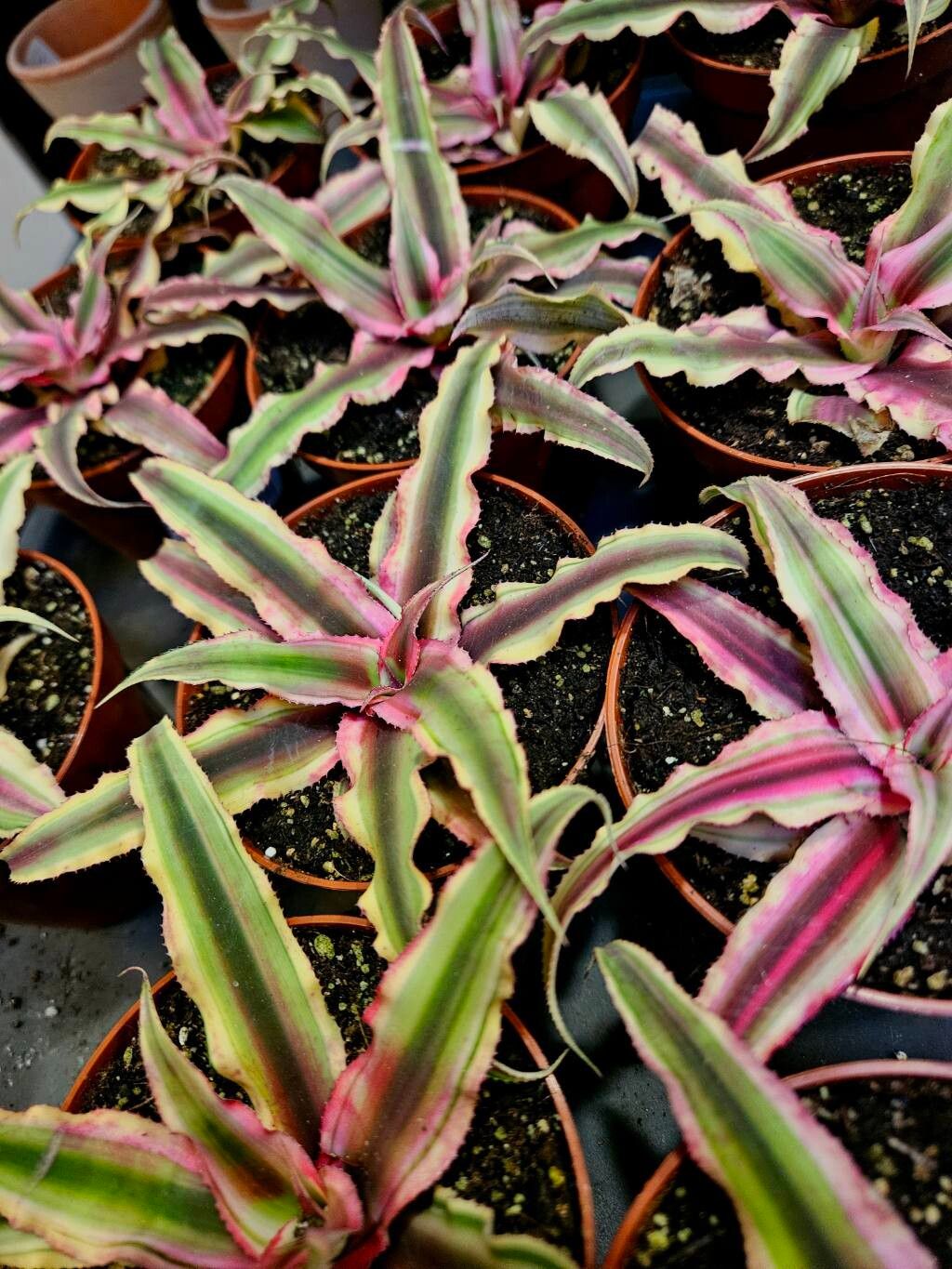
Oh, hello there! Come on in, grab yourself a cuppa. We’re going to talk about something truly special today: Cryptanthus bivittatus, often called the Earth Star. These little beauties are just so captivating with their star-like, often wonderfully patterned leaves. They don’t get huge, which is perfect for smaller spaces, and honestly, there’s a unique joy in multiplying your collection from plants you already cherish. If you’re new to plant propagation, I’d say Earth Stars are moderately easy, a lovely plant to start with as you learn the ropes.
The Best Time to Start
For Earth Stars, the sweet spot for propagation is really when they’re in their prime growing phase. Think late spring through summer. This is when they’re actively producing energy and have the best chance of establishing themselves quickly. You’ll often see little pups, or offsets, forming around the base of the mother plant during this time.
Supplies You’ll Need
Gathering your supplies beforehand makes the whole process so much smoother. Here’s what I always have on hand:
- A well-draining potting mix. I like a blend of orchid bark, perlite, and a good quality potting soil. This ensures great aeration and prevents soggy roots.
- Clean, sharp pruning shears or a sharp knife. Sterilize them with rubbing alcohol before and after use to prevent disease.
- A rooting hormone (optional, but it can give new pups a boost). I usually go for a powder.
- A small trowel or even an old spoon for working with the soil.
- Plastic bags or a propagator lid to create a humid environment if needed.
- Watering can with a fine rose or a spray bottle.
Propagation Methods
Earth Stars are best propagated by division, which is basically separating the pups from the mother plant.
- Inspect Your Mother Plant: Gently unpot your Cryptanthus. You’ll start to see smaller plants, called pups or offsets, growing from the base of the main plant. They’ll have their own little roots already starting to form.
- Gently Separate: Using your clean shears or knife, carefully cut the pup away from the mother plant, making sure to get as many of its own roots as possible. Sometimes, you can gently pull them apart with your hands if the connection is weak.
- Allow to Callus (Optional but Recommended): For a day or two, let the cut end of the pup air dry in a warm, dry spot. This helps to form a callus, which can prevent rot when you replant it.
- Potting Up: Fill your small pots with your well-draining mix. Make a small hole in the center and carefully place the pup’s roots into it. Gently firm the soil around the base. Water lightly.
The “Secret Sauce” (Pro Tips)
Here are a few little tricks I’ve picked up over the years that really make a difference:
- Don’t Crowd Your Pups: When you’re potting up, give each pup a little personal space. Cramming them too close together can lead to competition for resources and potential rot. A small 3-4 inch pot is usually perfect for a new pup.
- Bottom Heat is Your Friend: If you can, place your pots on a heat mat. Earth Stars love warmth, and bottom heat really encourages root development. It’s like a cozy little spa day for your new plants!
Aftercare & Troubleshooting
Once your pups are potted, they need a little TLC. Keep the soil lightly moist, but never soggy. A good method is to water from the bottom by sitting the pot in a shallow dish of water and letting the soil wick it up. Avoid getting water directly into the central rosette, as this can lead to rot.
If you see the leaves starting to look yellow and mushy, or the base of the pup turning black and soft, that’s a sure sign of rot. Unfortunately, this is often difficult to recover from. It usually means the spot was too wet or didn’t have enough airflow. Don’t be discouraged, though! Plants are resilient, and you can always try again with another pup.
A Little Patience Goes a Long Way
Propagating Cryptanthus bivittatus is such a rewarding endeavor. Just remember to be patient; it can take a few weeks, sometimes a couple of months, for new growth to really show. Enjoy the process, observe your new little stars as they settle in, and soon you’ll have a whole constellation to admire! Happy growing!
Resource:
https://identify.plantnet.org/k-world-flora/species/Cryptanthus%20bivittatus%20(Hook.)%20Regel/data