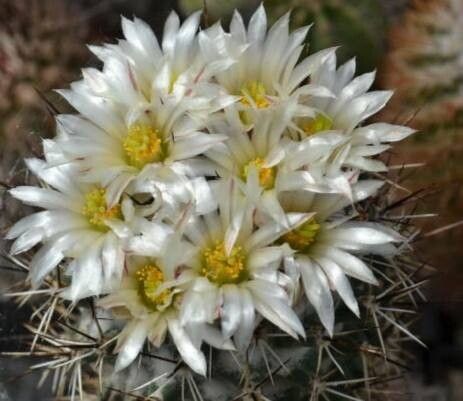
Oh, hello there! If you’ve got your hands on a beautiful Coryphantha georgii or are thinking about starting one, you’re in for a real treat. These little gems are just so personality-packed, aren’t they? With their intricate tubercles and the promise of delightful flowers, they’re a joy to have around. And the best part? Propagating them is surprisingly accessible. Even if you’re newer to the world of cacti, I think you’ll find this process quite rewarding.
The Best Time to Start
For Coryphantha georgii, the prime time to think about propagation is during its active growing season. This typically means late spring through summer. You want to work with a plant that’s full of vigor, ready to put out new roots and growth. Trying to propagate when it’s heading into dormancy is just asking for disappointment. Think of it like planning a big project – you want to start when you’ve got plenty of energy!
Supplies You’ll Need
Gathering your tools beforehand makes the whole process smoother. Here’s a little list to have on hand:
- Sharp, sterile pruning shears or a clean knife: For making precise cuts.
- Well-draining cactus and succulent potting mix: This is non-negotiable! You can buy a pre-made mix or create your own by combining potting soil, perlite, and coarse sand.
- A shallow, shallow watering tray or saucer: For bottom watering.
- Rooting hormone (optional but recommended): A little boost can go a long way.
- Small pots or seedling trays: Something that offers good drainage.
- Gravel or perlite: For drainage layers or top dressing.
- Identification tags: So you don’t forget what you’ve planted!
Propagation Methods
For Coryphantha georgii, the most common and successful method is offsets, also known as pups. These little baby plants naturally form at the base of the parent plant.
- Gently unpot the parent plant. Carefully tip it out of its container. If it’s been in the pot for a while, you might need to loosen the soil around the edges with a trowel or your fingers.
- Locate the offsets. You’ll see small plants emerging from the base of the main stem.
- Carefully detach the offset. Using your sterile knife or pruning shears, cut the offset away from the parent plant as close to the base as possible. Try to get a bit of root on the offset if you can, but don’t stress if you can’t. It will grow them.
- Allow the offset to callus. This is a crucial step! Place the detached offset in a dry, well-ventilated spot, out of direct sunlight, for several days to a week. A dry, leathery scab will form over the cut surface. This prevents rot when you plant it.
- Prepare the new pot. Fill a small pot with your well-draining cactus mix. You can add a layer of gravel or perlite at the bottom, but good soil drainage is paramount.
- Plant the offset. You can lightly dip the callused end in rooting hormone now, if you’re using it. Then, simply insert the base of the offset into the soil. You don’t need to plant it deep; just enough so it stands upright.
- Wait to water. Do NOT water immediately. Wait a few days, maybe even a week, after planting. This gives the offset time to settle in and ensures the callused area is completely dry.
The “Secret Sauce” (Pro Tips)
Now, for a few little tricks I’ve picked up over the years:
- Don’t be afraid of a little “roughing up.” Sometimes, when removing offsets, you might accidentally break off a tiny bit of root. It’s okay! Cacti are surprisingly resilient, and a little callus is better than wet rot.
- Bottom heat is your friend. If you can, place your pots on a heat mat designed for seedlings, particularly when you first plant the offsets. This gentle warmth encourages root development, making a noticeable difference. Just keep it on a low setting.
- Observe your soil. When you do start watering, err on the side of UNDERwatering. Stick your finger into the soil. If it feels even slightly moist, hold off. Overwatering is the quickest way to lose a new propagation.
Aftercare & Troubleshooting
Once you’ve planted your little Coryphantha georgii, be patient. Water sparingly. Check the soil moisture by feel. When you water, do so lightly, perhaps from the bottom by placing the pot in a shallow tray of water for about 15-20 minutes, then allowing it to drain thoroughly.
The biggest sign of trouble is rot. You’ll see the offset start to turn mushy and black, often at the base. If this happens, act fast. You might be able to cut away the healthy part and try again, but often it’s a sign the propagation is lost. Another issue can be that it simply doesn’t root. This usually means it wasn’t healthy enough to start with, or conditions weren’t quite right. Don’t be discouraged; just try again!
A Encouraging Closing
Propagating Coryphantha georgii is a journey, and like any good gardening endeavor, it requires a bit of patience and observation. Don’t be too hard on yourself if your first attempt isn’t a runaway success. Each new plant you coax into existence is a little victory, a testament to your growing green thumb. So, roll up your sleeves, enjoy the process, and marvel at the resilience of these wonderful little cacti. Happy propagating!
Resource:
https://identify.plantnet.org/k-world-flora/species/Coryphantha%20georgii%20Boed./data