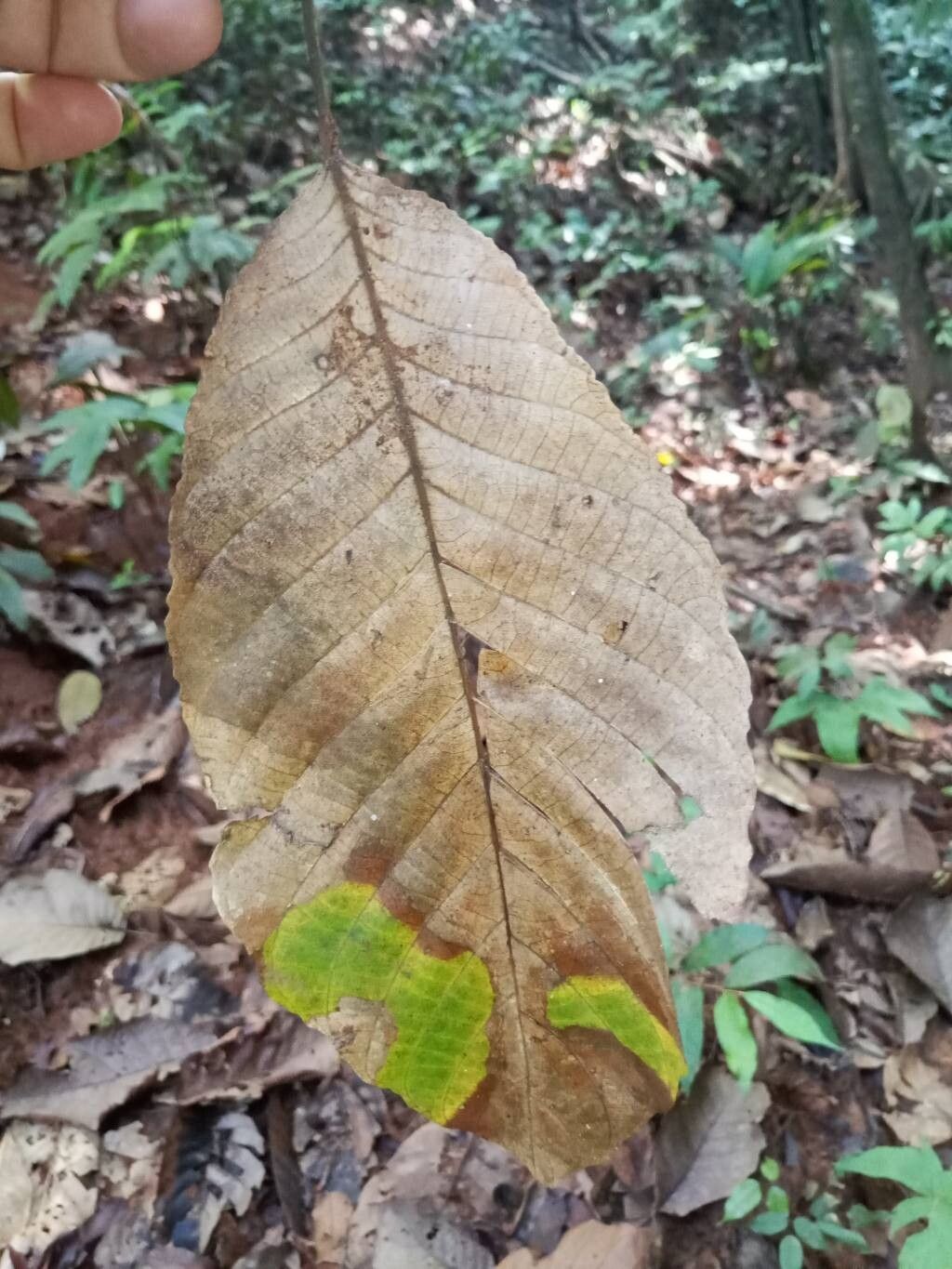
Hello fellow garden enthusiasts! Today, we’re diving into the wonderful world of propagating Sloanea grandiflora. If you haven’t encountered this beauty yet, imagine a lush, tropical gem with glossy leaves that can bring a touch of the exotic to your home or garden. And the best part? You can multiply this plant for yourself! Propagating Sloanea grandiflora is a truly rewarding experience, and while it might seem a little daunting at first, I promise it’s achievable for most of us.
The Best Time to Start
For the highest chance of success, spring and early summer are your golden windows. This is when the plant is actively growing, buzzing with energy, and ready to put out new roots. You’ll want to select new, healthy growth – not the woody old stems, but the vibrant, supple shoots. Think of it as capturing the plant at its peak vitality.
Supplies You’ll Need
Gathering your tools beforehand makes the whole process smoother. Here’s what I’ve found essential:
- Sharp, clean pruning shears or a sharp knife: For making clean cuts.
- A bright, well-draining potting mix: I like a blend of peat moss, perlite, and a little compost. You want it to hold moisture but not get waterlogged.
- Small pots or trays: Clean ones are super important to prevent disease.
- Rooting hormone (optional but recommended for cuttings): This really gives your cuttings a helping hand.
- A watering can with a fine rose attachment or a spray bottle: For gentle watering.
- A clear plastic bag or a propagation dome: To create a humid environment.
- A heat mat (optional but very beneficial): For bottom heat that encourages root development.
Propagation Methods
While Sloanea grandiflora can sometimes be a tad particular, stem cuttings are generally the most successful method for home growers.
Stem Cuttings
- Select your cutting: Find a healthy stem that’s about 4-6 inches long and has at least two sets of leaves. Make your cut just below a leaf node (where the leaf attaches to the stem). This is where the magic happens, as that’s where roots are most likely to form.
- Prepare the cutting: Gently remove the lower leaves from your cutting, leaving only the top two or three intact. If the remaining leaves are very large, you can even cut them in half horizontally to reduce water loss through transpiration.
- Apply rooting hormone (if using): Dip the cut end of the stem into your rooting hormone. Tap off any excess.
- Potting up: Fill your small pots with your prepared potting mix. Make a hole in the center with your finger or a pencil, and gently insert the cut end of your Sloanea cutting. Firm the soil around it so the cutting stands upright.
- Water gently: Water thoroughly but carefully, ensuring the soil is moist but not soggy.
- Create humidity: Place a clear plastic bag over the pot, securing it loosely around the rim with a rubber band, or cover your tray with a propagation dome. This traps moisture, which is vital for cuttings to root.
- Provide light and warmth: Place your potted cuttings in a bright spot, but out of direct, harsh sunlight. If you have a heat mat, this is where it shines! Place the pots on top of it. This gentle bottom warmth can significantly speed up root formation.
The “Secret Sauce” (Pro Tips)
Here are a few tricks I’ve learned over the years that make a real difference:
- Hygiene is paramount: I cannot stress this enough! Always use sterilized tools and clean pots. Even a microscopic bit of fungus can spell disaster for your precious cuttings. A quick dip in a bleach solution or rubbing alcohol for your shears goes a long way.
- Don’t overwater, but don’t let it dry out: This is a delicate balance. The soil should always feel evenly moist, like a wrung-out sponge. If the plastic bag starts to fog up heavily, lift the edge for a few hours to allow some ventilation. If the soil looks dry, give it a gentle water or mist.
- Be patient and observe: Sloanea grandiflora can sometimes take its sweet time to develop roots. Resist the urge to constantly pull your cuttings out to check. After a few weeks, you might start to see tiny new leaves emerging, which is a good sign that roots are forming. A gentle tug will also reveal some resistance if roots have taken hold.
Aftercare & Troubleshooting
Once you see signs of new growth, it’s a clear indication that roots are developing!
- Acclimatize gradually: Slowly start to reduce the humidity over a week or two. You can do this by gradually opening the plastic bag or prop dome more each day. This helps the new plant get used to normal room conditions.
- Potting up: When your cutting has a good root system (you can carefully tip it out of the pot to check, or wait until new leaves are quite robust), it’s time to move it into a slightly larger pot with fresh potting mix.
- Common issues: The most frequent problem is rot. If your cutting looks mushy, dark, or smells off, it’s likely succumbed to rot, usually due to overwatering or poor drainage. Unfortunately, these are usually beyond saving. Another sign of trouble is wilting that doesn’t perk up after watering, which could mean the cutting simply didn’t root and is drying out.
A Little Encouragement
Propagating plants is a journey, and sometimes not every attempt is a roaring success. But that’s part of the adventure! Don’t be discouraged if your first tries aren’t perfect. Each cutting you take is a lesson learned, and soon enough, you’ll be happily sharing your Sloanea grandiflora with friends. Enjoy the process, celebrate the small victories, and happy gardening!
Resource:
https://identify.plantnet.org/k-world-flora/species/Sloanea%20grandiflora%20Sm./data