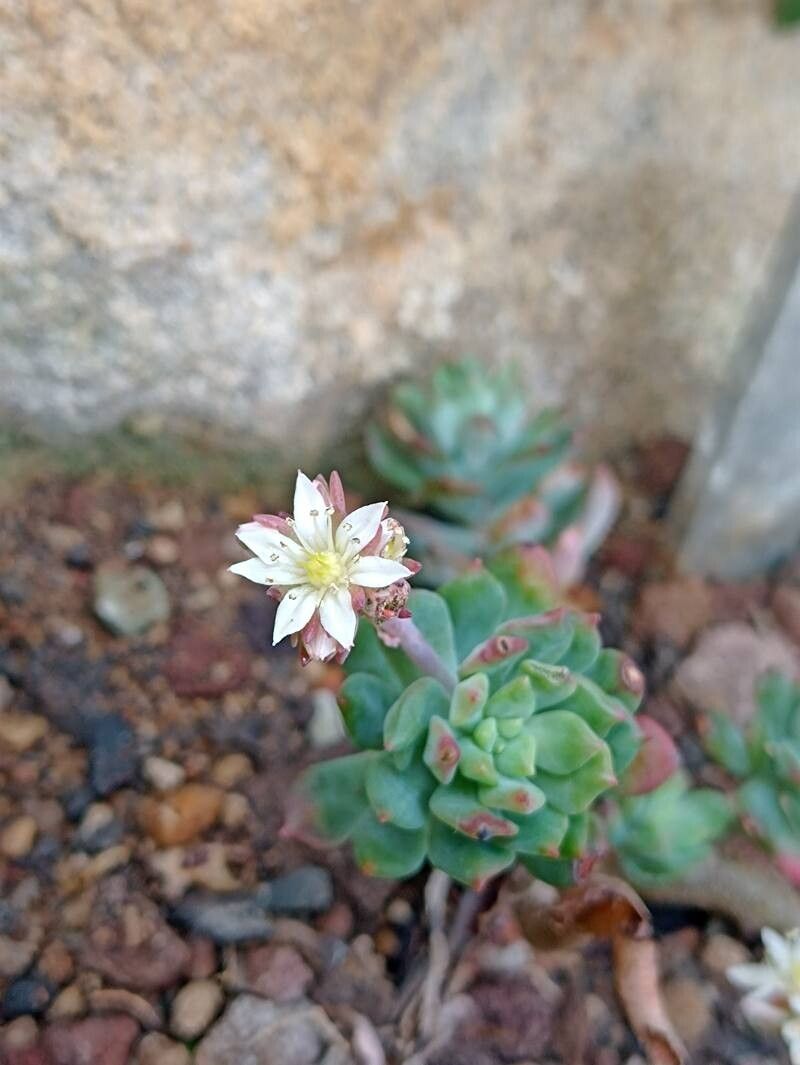
Hello there, fellow plant lovers! I’m so glad you’ve stumbled upon this little corner of the internet where we can chat all things green. Today, we’re diving into the wonderful world of Sedum cuspidatum. If you’re looking for a succulent that’s a bit out of the ordinary, with its charming, pointed leaves that often blush with lovely colors, you’ve found it! Propagating these beauties is incredibly rewarding, and I’m here to tell you, it’s quite beginner-friendly. You’ll have a whole new collection in no time!
The Best Time to Start
For Sedum cuspidatum, the sweet spot for propagation is during its active growing season, which is typically spring and early summer. This is when the plant has plenty of energy to put into producing new roots. Trying to propagate in the thick of winter when everything is resting will likely lead to disappointment. So, mark your calendars for those warmer months!
Supplies You’ll Need
Gathering your tools before you begin makes the whole process so much smoother. Here’s what you’ll want to have on hand:
- Sharp, clean pruning shears or a sharp knife: For making clean cuts.
- A well-draining potting mix: I like to use a cactus and succulent mix, or a blend of potting soil with perlite or pumice (about 50/50).
- Small pots or seed trays: Clean ones are a must to prevent disease.
- Rooting hormone (optional but helpful): Especially for stem cuttings.
- A spray bottle: For misting.
- A bright location with indirect sunlight: For your new propagations.
- A small trowel or spoon: For handling soil.
Propagation Methods
Sedum cuspidatum is wonderfully versatile, and you can successfully propagate it using a couple of easy methods.
Stem Cuttings
This is my go-to method for Sedum cuspidatum. It’s straightforward and often yields the best results.
- Select a healthy stem: Look for a mature stem that isn’t flowering.
- Make a clean cut: Using your sterilized shears or knife, cut a stem about 3-4 inches long. If the stem has a lot of leaves, you can gently remove the bottom couple of leaves to expose a bit of the stem.
- Let it callous over: This is a crucial step! Leave the cut end of the stem exposed to the air for 2-5 days. You’ll see a dry, scab-like surface form at the cut end. This prevents rot when you plant it.
- Apply rooting hormone (optional): If you’re using rooting hormone, dip the calloused end into the powder.
- Plant the cutting: Fill your small pot with your well-draining mix. Make a small hole with your finger or a trowel and insert the calloused end of the cutting into the soil. Gently firm the soil around it. You don’t need to bury it deeply, just enough to keep it upright.
- Water sparingly: Water lightly to settle the soil. You want the soil to be slightly moist, not soggy.
Leaf Cuttings
While stem cuttings are my favorite for this particular Sedum, you can sometimes get lucky with leaf cuttings.
- Gently detach leaves: Carefully twist or cut healthy leaves from the main stem. Make sure to get a clean break.
- Allow to callous: Just like with stem cuttings, leave the leaves in a dry spot for a few days until the broken edge has calloused over.
- Place on soil: Lay the calloused leaves on top of your well-draining potting mix in a shallow tray or pot. You can lightly mist the soil every few days, but avoid soaking it.
- Patience is key: With leaf cuttings, you’ll often see tiny baby plants and roots emerge from the calloused end. This can take several weeks. Once they have a decent root system and tiny leaves, you can gently transplant them.
The “Secret Sauce” (Pro Tips)
Here are a few things I’ve learned over the years that can really boost your success rate:
- Don’t let the leaves touch the water (if you happen to try water propagation): While some succulents do well in water, Sedum cuspidatum is very prone to rot if the leaves are submerged. If you’re experimenting, ensure only the cut stem end is in contact with water, and change the water regularly. I generally prefer the soil method for this one.
- Bottom heat can be your friend: If you have a windowsill that’s a bit on the cooler side, or you’re propagating early in spring, a gentle heat mat placed under your pots can encourage roots to form faster. Just a little warmth can make a big difference.
- Don’t overwater, ever! This is the number one killer of succulents, and propagations are even more susceptible. It’s far better to underwater slightly than to have soggy soil that leads to rot. Observe your cuttings – if the soil feels dry to the touch, give it a light watering.
Aftercare & Troubleshooting
Once your cuttings have developed a good root system – you’ll usually see them beginning to plump up, or you can gently tug on them and feel resistance – it’s time for a little more attentive care.
- Transplanting: Once rooted, you can gently transplant your new Sedum cuspidatum into slightly larger pots with fresh well-draining soil. Continue to treat them as you would an adult plant – bright, indirect light and infrequent watering.
- Signs of Rot: The most common issue you’ll encounter is rot. This looks like mushy, brown, or black stems or leaves. If you see this, act fast! Remove the affected parts immediately with clean shears. If the whole cutting is rotting, unfortunately, it’s time to discard it. Prevention is key here – it all comes back to that well-draining soil and careful watering.
- Wilting: Sometimes, cuttings might look a bit sad or wilted. This isn’t always a bad sign! It could mean the plant is using up its stored water reserves while it’s working on growing roots. If they remain wilted after you’ve watered, then you might have an issue, but usually, a bit of droop is normal initially.
Happy Propagating!
There you have it – your guide to multiplying your Sedum cuspidatum collection! Remember, gardening is a journey, and sometimes things don’t go as planned. That’s part of the learning process! Be patient, observe your plants, and trust your instincts. The joy of watching a tiny cutting transform into a thriving new plant is truly special. Go ahead, get your hands dirty, and happy propagating!
Resource:
https://identify.plantnet.org/k-world-flora/species/Sedum%20cuspidatum%20Alexander/data