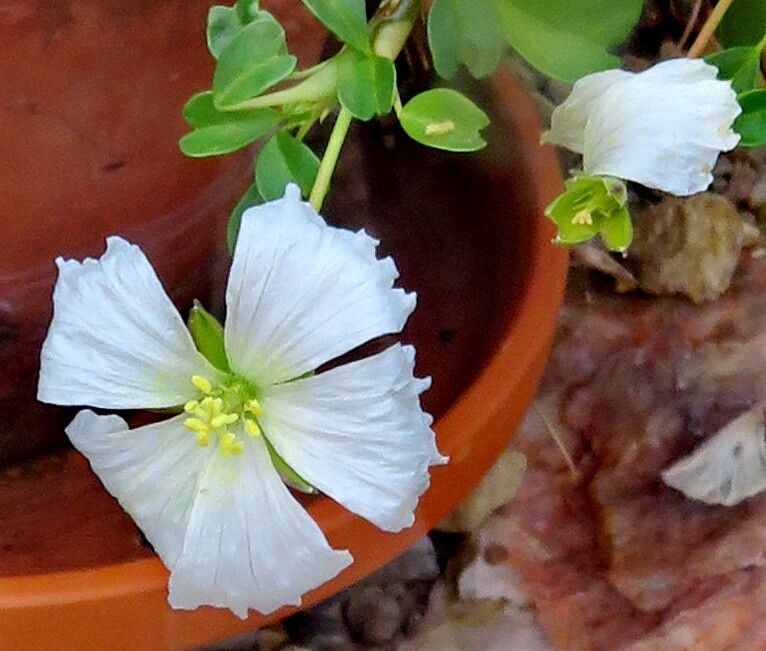
Hello fellow plant lovers! Today, we’re diving into the wonderfully quirky world of Sarcocaulon vanderietiae, often called the Candellabra Plant or sometimes the Desert Candle. If you’re looking for a succulent with a bit of architectural flair and a whole lot of charm, this is it! Its gnarled stems and delicate little flowers are utterly captivating. Propagating them can feel a little daunting at first, but trust me, with a little patience and the right approach, you’ll be rewarded with a whole collection of these beauties. It’s not the easiest plant for a complete beginner, but it’s definitely achievable, and the success is incredibly satisfying.
The Best Time to Start
For Sarcocaulon vanderietiae, the sweet spot for propagation is right at the beginning of its active growing season. This is typically in early spring, just as the weather starts to warm up and you see signs of new growth emerging on your parent plant. This vigorous period means your cuttings will have the energy they need to establish roots quickly. You might also have some success in late summer, but spring is generally your best bet for robust rooting.
Supplies You’ll Need
Gathering your supplies beforehand makes the whole process so much smoother. Here’s what I usually have on hand:
- Sharp, clean pruning shears or a craft knife: For making clean cuts. Sterilize them with rubbing alcohol to prevent disease.
- Rooting hormone powder: Not strictly essential for all Sarcocaulon, but it can give your cuttings a helpful boost.
- Gritty, well-draining soil mix: This is crucial for succulents. I like to use a mix of perlite, pumice, and a small amount of coco coir or commercial succulent/cactus mix. Aim for at least 50% inorganic material.
- Small pots or seedling trays: With drainage holes, of course!
- A spray bottle: For misting.
- Optional: A heat mat: This can really speed up the rooting process.
Propagation Methods
There are a couple of reliable ways to propagate Sarcocaulon vanderietiae. I find stem cuttings to be the most straightforward.
Stem Cuttings:
- Take Your Cuttings: In early spring, while your plant is actively growing, select a healthy stem that’s at least 2-3 inches long. Using your sterilized shears or knife, make a clean cut just below a node (where a leaf attaches to the stem). Remove any lower leaves from the cutting.
- Let it Callus: This is a really important step for succulents! Place the cuttings in a dry, airy spot away from direct sunlight and let the cut end dry and callus over for 2-3 days, or even up to a week. This prevents rot when you plant them. The end should look dry and a little sealed.
- Apply Rooting Hormone (Optional): If you’re using rooting hormone, lightly dip the callused end into the powder. Tap off any excess.
- Plant Your Cuttings: Fill your small pots with your gritty soil mix. Make a small hole in the center with a pencil or your finger. Insert the callused end of your cutting into the hole, ensuring it’s firm enough to stand up. Don’t`t water yet.
- Provide the Right Conditions: Place the potted cuttings in a bright location, but out of direct, intense sun. If you have a heat mat, place the pots on top of it.
- Water Sparingly: For the first week or two, avoid watering. Instead, lightly mist the soil surface every few days if it looks very dry. Once you start seeing signs of new growth (which can take some time!), you can begin to water more regularly, but always allow the soil to dry out thoroughly between waterings.
The “Secret Sauce” (Pro Tips)
Here are a few things I’ve learned over the years that make a real difference with these finicky beauties:
- Don’t Rush the Callusing: I cannot stress this enough! That dry, sealed end is your cutting’s best defense against rot. Even if it’s been a few days and it doesn’t look completely callused, give it a little longer. Patience here saves you heartache later.
- Bottom Heat is Your Friend: If you can swing it, a gentle bottom heat from a seedling mat is a game-changer. It encourages root development from below, tricking the plant into thinking it’s firmly planted in warm soil. This can drastically cut down on the time it takes for your cuttings to root.
Aftercare & Troubleshooting
Once you see tiny leaves popping out or the cutting seems to be growing a bit taller, those are great signs that roots are forming! You can gently tug on the cutting; if there’s resistance, it’s likely rooted. At this point, you can gradually introduce it to more light and start watering as you would a mature plant – letting the soil dry out completely between waterings.
The most common problem you’ll face is rot. If your cutting turns mushy, dark, or starts to smell funky, it’s a goner. This is usually a sign of too much moisture and not enough airflow, or not allowing it to callus properly. If you catch a cutting starting to go soft, try to take a healthy section from above the rot and start again, paying extra attention to that callusing step. Yellowing leaves can sometimes indicate overwatering, while shriveling might mean it’s too dry, but since these are cuttings, a bit of initial shriveling is normal as it works on its roots.
A Little Patience Goes a Long Way
Propagating Sarcocaulon vanderietiae is a journey, and like any gardening endeavor, it asks for a little patience. Don’t get discouraged if your first few attempts aren’t perfect. Each cutting is a chance to learn and refine your technique. Enjoy the process of nurturing these unique plants, and soon you’ll have more of these fascinating Desert Candles to share. Happy growing!
Resource:
https://identify.plantnet.org/k-world-flora/species/Sarcocaulon%20vanderietiae%20L.Bolus/data