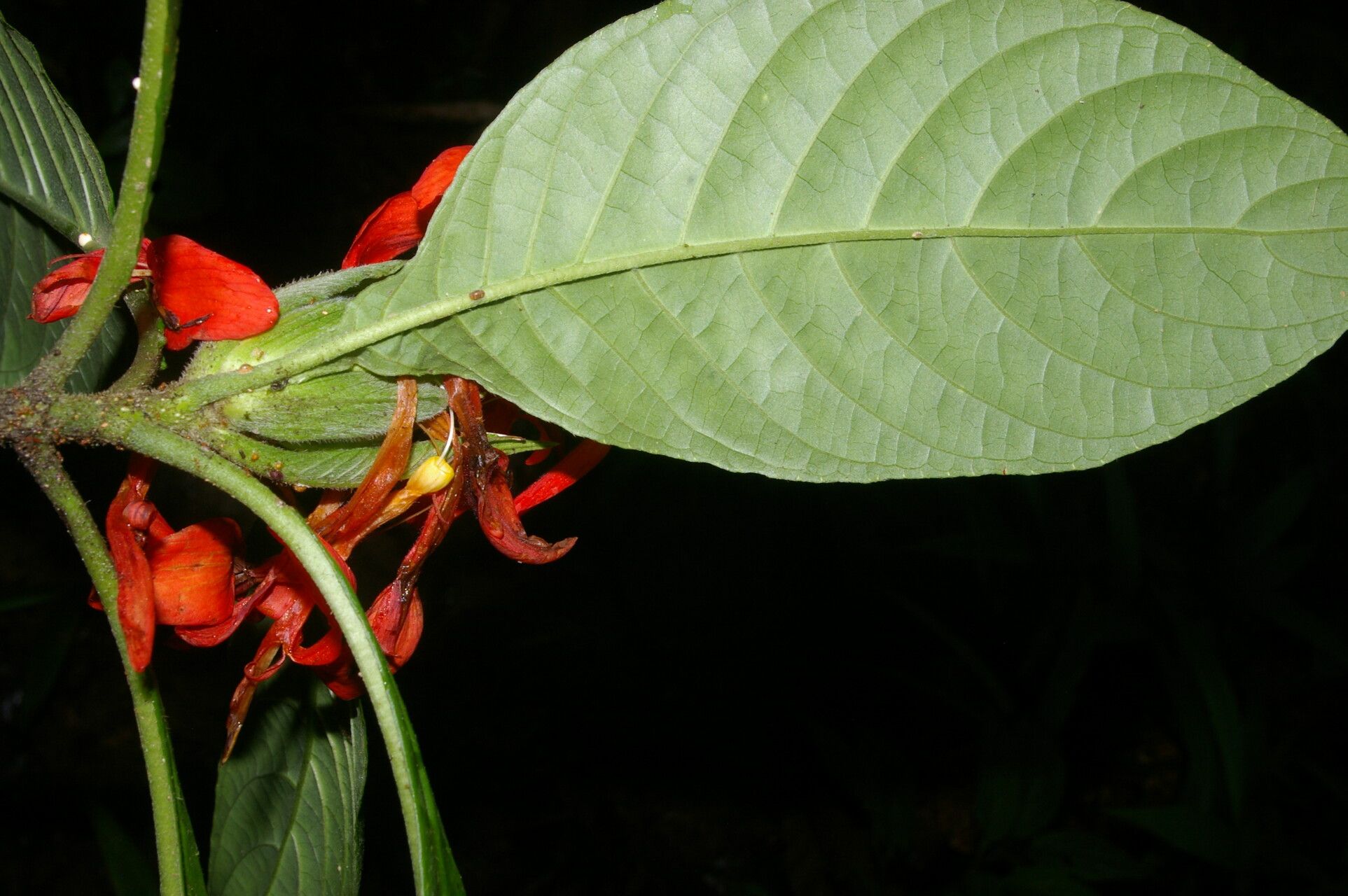
Hello fellow plant lovers! Today, we’re diving into the wonderful world of propagating Aphelandra tridentata. You know, this is one of those striking plants that really makes a statement. With its bold, patterned leaves and occasional vibrant blooms, it’s a real showstopper. And the joy of growing your own new plants from an established favorite? Truly unparalleled. Now, I’ll be honest, Aphelandra tridentata can be a bit particular, so while not impossible for a beginner, it’s a project where a little extra care goes a long way. But don’t let that deter you – with a few good practices, you’ll be well on your way to a jungle of your own!
The Best Time to Start
For the highest success rate with Aphelandra tridentata, your best bet is to propagate during its active growing season, which is typically from late spring through summer. This is when the plant has ample energy to put into developing new roots. Trying to take cuttings when the plant is dormant simply won’t yield the best results. Look for healthy, vigorous stems that are neither brand new and soft nor old and woody.
Supplies You’ll Need
Here’s what you should gather before you get your hands dirty:
- Clean, sharp pruning shears or a knife: For making clean cuts, which helps prevent disease.
- Well-draining potting mix: A good blend is usually equal parts peat moss or coco coir, perlite, and a bit of compost. I find a mix specifically for aroids or succulents works well.
- Small pots or seed trays: With drainage holes, of course!
- Rooting hormone (optional but recommended): This can significantly speed up the process and improve success rates, especially for plants that can be a bit slow to root.
- Clear plastic bag or propagation dome: To create a humid environment.
- Watering can or mister: For gentle watering.
- Labels and a permanent marker: To keep track of your cuttings.
Propagation Methods
Aphelandra tridentata is most successfully propagated through stem cuttings.
Stem Cuttings:
-
Select your cutting: Find a healthy stem on your mature plant. You’re looking for a stem that has at least two or three sets of leaves.
-
Make the cut: Using your clean pruning shears or knife, make a clean cut just below a leaf node (the point where a leaf attaches to the stem). This node is where roots are most likely to form. Your cutting should be about 4-6 inches long.
-
Prepare the cutting: Gently remove the lower leaves, leaving just a couple of sets at the top. This prevents them from rotting when you place the cutting in the soil or water.
-
Apply rooting hormone (optional): If you’re using rooting hormone, simply dip the cut end of the stem into the powder or gel, tapping off any excess.
-
Planting the cutting:
- In soil: Make a small hole in your prepared potting mix with a pencil or your finger. Insert the cut end of the stem into the hole and gently firm the soil around it.
- In water: You can place your cutting in a glass of clean water, making sure that no leaves are submerged. Only the cut stem should be in contact with the water. Change the water every few days to keep it fresh.
-
Create humidity: Whichever method you choose, the key is to maintain high humidity. Place the pot or glass of water inside a clear plastic bag, sealing it loosely, or cover it with a propagation dome. This creates a mini-greenhouse effect.
-
Provide light and warmth: Place your cuttings in a bright, indirect light location. A bit of bottom heat (like a heat mat designed for seedlings) can be incredibly beneficial, encouraging root development faster.
The “Secret Sauce” (Pro Tips)
Here are a couple of things I’ve learned over the years that really make a difference:
- Don’t overcrowd your cuttings: Whether you’re planting multiple cuttings in one pot or have several in a glass of water, give them some breathing room. Too much humidity with poor air circulation is a recipe for fungal issues.
- Change water regularly for water propagation: I can’t stress this enough. Stagnant water is a breeding ground for bacteria, which will quickly rot your cuttings before they even have a chance to form roots. Fresh water is your friend!
- Be patient with rooting hormone: While rooting hormone is fantastic, it doesn’t perform miracles overnight. Some plants root in a few weeks, others can take a couple of months. Resist the urge to constantly tug at your cuttings to “check for roots” – you could damage delicate new growth.
Aftercare & Troubleshooting
Once you start seeing new leaf growth or feel a gentle resistance when you lightly tug on the cutting (indicating root formation), it’s time for a bit more attention.
- Acclimation: Gradually acclimate your rooted cutting to lower humidity. For a week or so, open the plastic bag or lid for a few hours each day, slowly increasing the duration.
- Watering: Water when the top inch of soil feels dry. Avoid overwatering, which is the most common culprit for rot. Ensure good drainage.
- Light: Continue to provide bright, indirect light.
- Fertilizing: Wait until you see significant new growth before introducing a diluted liquid fertilizer. Start with half-strength.
Troubleshooting: Common issues you might encounter:
- Wilting/Drooping: This can be from too little humidity, not enough water, or the cutting not rooting yet. Check your humidity levels and water if the soil is dry.
- Rotting at the base: This is usually a sign of too much moisture and poor air circulation. Ensure your mix is well-draining and don’t let the cutting sit in soggy soil. If this happens in water, the water was likely not changed often enough or the cutting itself was unhealthy.
- No root development: This can happen if the conditions aren’t quite right – not enough light, warmth, or humidity. Sometimes, it just takes time!
A Gentle Encouragement
Propagating plants is a bit like learning a new skill; there’s a learning curve, and sometimes things don’t go as planned. But don’t get discouraged! Each attempt teaches you something new. Celebrate the successes, learn from the challenges, and most importantly, enjoy the rewarding journey of growing more of your beloved Aphelandra tridentata. Happy propagating!
Resource:
https://identify.plantnet.org/k-world-flora/species/Aphelandra%20tridentata%20Hemsl./data