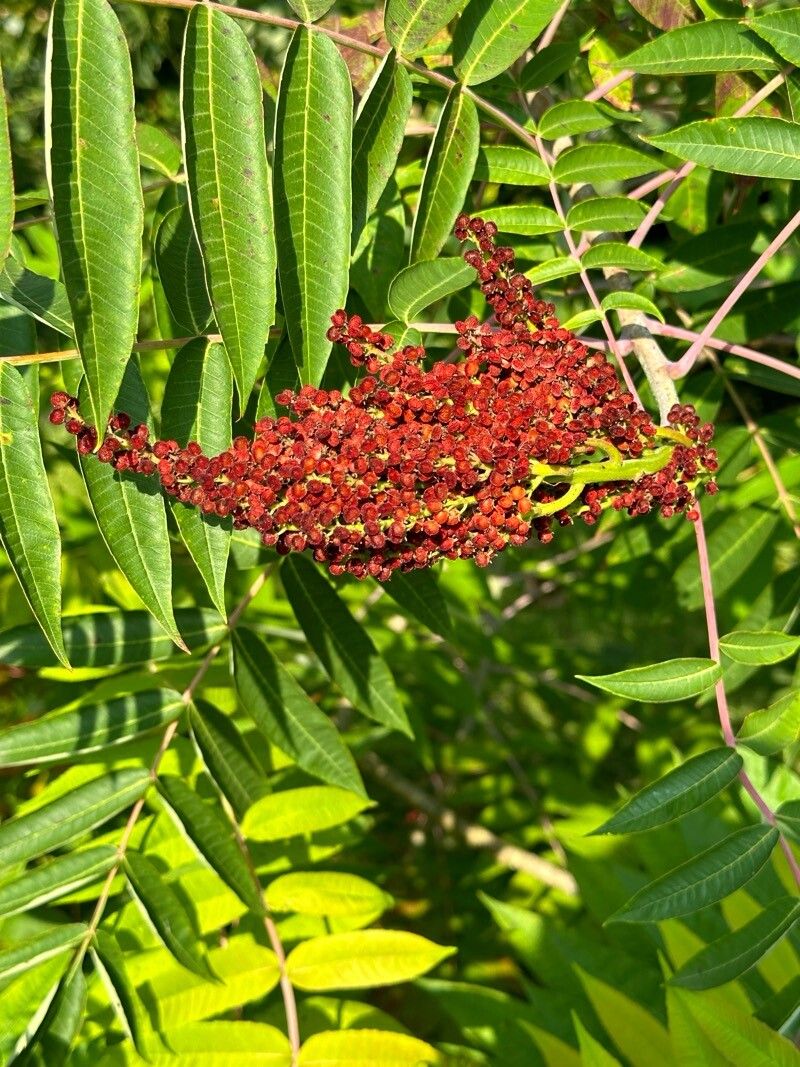
Hello, fellow garden enthusiasts! Today, we’re going to dive into a truly rewarding plant to propagate: Rhus glabra, or Smooth Sumac. This native beauty is a superstar in the landscape with its vibrant fall color, attractive summer berries, and ability to thrive in tough conditions. Plus, there’s something incredibly satisfying about nurturing a brand-new plant from a piece of an established one. Don’t worry, even if you’re just starting out, propagating Smooth Sumac is a journey you can absolutely enjoy.
The Best Time to Start
For the highest success rate with Smooth Sumac, I always lean towards late spring or early summer. This is when the plant is actively growing, and its stems are firm but not yet woody. The longer, warmer days give those cuttings the energy they need to get their roots established.
Supplies You’ll Need
Gathering your tools beforehand makes the process so much smoother. Here’s what I keep handy:
- Clean pruning shears or a sharp knife
- Rooting hormone (optional, but it can give you a nice boost)
- Potting mix: A blend of peat moss, perlite, and a bit of compost works wonderfully. You want something that drains well.
- Small pots or seed trays
- A plastic bag or propagator dome to create a humid environment
- A watering can or spray bottle
- Labels and a marker
Propagation Methods
There are a couple of really effective ways to get more Smooth Sumac plants. My personal favorite for this particular plant is stem cuttings.
Stem Cuttings
- Choose your stems: Look for healthy, non-flowering shoots that are about pencil-thick. You want to take cuttings that are roughly 6-8 inches long.
- Make the cut: Using your clean shears, make a clean cut just below a leaf node. This is where the plant’s hormones are strongest.
- Prepare the cutting: Gently remove the leaves from the bottom half of the cutting. If there are any flower buds, snip them off too. You want the plant to focus its energy on roots!
- Apply rooting hormone (if using): Dip the cut end into the rooting hormone, tapping off any excess.
- Plant the cuttings: Fill your pots with the potting mix. Make a hole with your finger or a pencil and insert the cutting, pressing the soil gently around the stem.
- Water them in: Give the cuttings a good watering to settle the soil.
- Create humidity: Cover the pots loosely with a plastic bag or place them in a propagator. This helps keep the moisture around the leaves.
Division (Best in Early Spring)
While cuttings are my go-to, you can also propagate Smooth Sumac through division. This is best done in early spring as the plant is just waking up.
- Dig carefully: Dig around the base of your mature sumac, being mindful of its root system.
- Separate the clumps: Gently pull or cut apart sections of the root system. Each division should have at least a few healthy stems and a good portion of roots.
- Replant immediately: Plant the divisions into their new homes as soon as possible, watering them in well.
The “Secret Sauce” (Pro Tips)
Now, here are a few little tricks I’ve picked up over the years that can make a big difference:
- Don’t drown your cuttings: When watering, aim to keep the soil consistently moist but never waterlogged. Soggy soil is a fast track to rot.
- Bottom heat is your friend: If you have a heat mat, placing your pots on it can significantly speed up root development. It mimics the warmth of spring soil and encourages those roots to emerge.
- Patience is key with sumac: Sometimes, sumac can be a bit stubborn about showing visible roots. Resist the urge to pull them up and check too often. Give them a good month or even two to establish.
Aftercare & Troubleshooting
Once you see new growth, that’s a great sign your cuttings have rooted!
- Acclimate slowly: If you’ve used a plastic bag, start by opening it a little each day to gradually introduce the new plants to drier air.
- Watering: Continue to water when the top inch of soil feels dry.
- Transplanting: Once your new sumacs have a decent root system and a few sets of leaves, you can transplant them into larger pots or their permanent garden locations.
Common issues include rot, which usually indicates overwatering, or wilting, which can mean they aren’t getting enough humidity or they haven’t rooted yet. If you see signs of rot (mushy stems), unpot the cutting and try to salvage a healthy node to start again, ensuring better drainage and less water.
Happy Propagating!
See? Not so daunting, is it? Propagating Smooth Sumac is a wonderful way to expand your garden or share these beautiful plants with friends. Be patient, celebrate every little sign of progress, and most importantly, enjoy the incredible satisfaction of growing something from scratch. Happy gardening!
Resource:
https://identify.plantnet.org/k-world-flora/species/Rhus%20glabra%20L./data