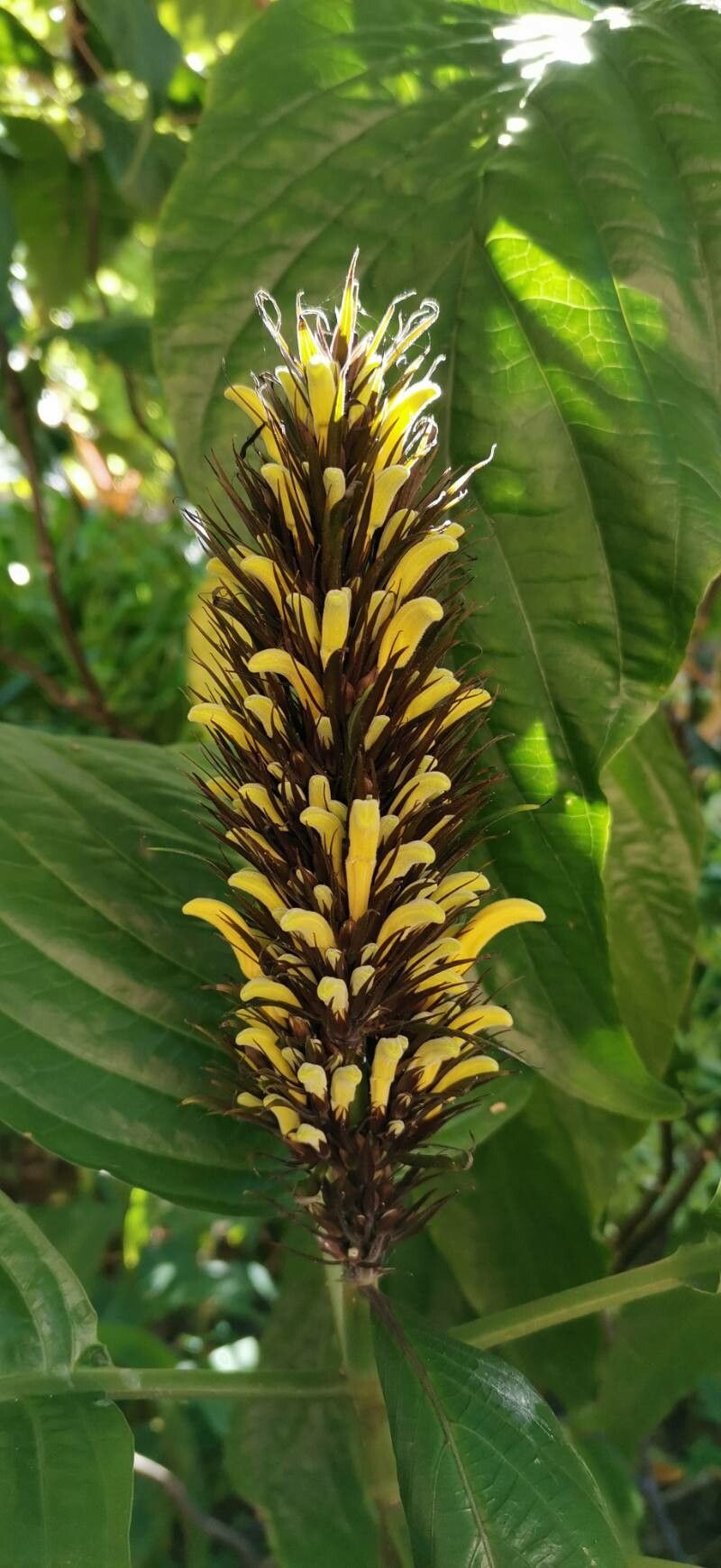
Oh, hello there! Grab your mug, let’s chat about a truly joyful plant: Justicia aurea, or as I like to call it, “Golden Shrimp Plant.” If you’ve ever seen its vibrant, shrimp-shaped bracts cascading down, you know the magic it brings to a garden, or even a sunny windowsill. The lovely thing about this plant is its cheerful disposition and the fact that bringing more of them into your life is wonderfully achievable. And guess what? For us beginners, it’s a real treat because Justicia aurea is quite forgiving. You’ll find propagating it is not only successful but deeply satisfying.
The Best Time to Start
My favorite time to get busy with cuttings is as the plant is really hitting its stride, usually in late spring or early summer. This is when the new growth is typically vigorous, full of life, and ready to put down roots. Think of it as starting when the plant itself is feeling energetic and optimistic!
Supplies You’ll Need
Gathering your tools makes the whole process smoother. Here’s what I keep handy:
- Sharp pruning shears or a clean knife: For making neat cuts.
- Rooting hormone (optional but helpful): A little powdered boost for those hesitant roots.
- Sterilized pots or small containers: Make sure they have drainage holes!
- Well-draining potting mix: A 50/50 blend of perlite and peat moss or coco coir works wonderfully. I also like to add a bit of compost.
- Small plastic bags or a propagation cover: To create that humid microclimate.
- Watering can with a fine rose or spray bottle: For gentle watering.
Propagation Methods
Let’s get our hands dirty! Justicia aurea is a star at stem cuttings.
Stem Cuttings: My Go-To Method
- Select your source: Look for healthy, non-flowering stems on your mature plant. You want stems that are semi-woody, not too floppy and green, and not yet flowering.
- Take the cutting: Using your clean shears, cut a stem about 4-6 inches long. Make your cut just below a leaf node (where a leaf attaches to the stem). These nodes are where roots love to emerge from.
- Prepare the cutting: Gently remove the lower leaves. You want to clear off at least the bottom two pairs of leaves so they don’t rot once you plant the cutting. You can leave 2-4 leaves at the top. If the top leaves are very large, I sometimes give them a little snip in half horizontally to reduce water loss.
- Apply rooting hormone (if using): Dip the cut end of the stem into your rooting hormone, tapping off any excess.
- Plant the cutting: Make a small hole in your prepared potting mix with your finger or a pencil. Gently insert the cut end of the stem into the hole, ensuring the leaf nodes you cleared are below the soil surface. Firm the soil gently around the stem.
- Water gently: Give the soil a good, but gentle, watering. You want it moist, not soggy.
- Create humidity: Pop the pot into a plastic bag, or cover it with a propagation dome. This creates a terrarium effect, keeping the humidity high around your cutting, which is crucial for root development. Make sure the leaves aren’t touching the sides of the bag, if possible.
Water Propagation: A Peek-a-Boo Approach
This is a fun one if you like to watch the progress!
- Take your cuttings: Follow steps 1-3 from the stem cutting method.
- Place in water: Fill a clean jar or glass with fresh water. Crucially, make sure no leaves are submerged in the water. Leaves left in the water will just rot and can contaminate the whole process.
- Find a bright spot: Place the jar in a spot with bright, indirect light.
- Change the water: Refresh the water every few days to keep it clean and oxygenated. You’ll start to see tiny white roots emerge from the nodes.
- Plant when ready: Once the roots are about an inch long, it’s time to carefully transplant them into your well-draining potting mix. Treat them just like you would a new stem cutting.
The “Secret Sauce” (Pro Tips)
Here are a couple of little tricks I’ve learned over the years that really boost success:
- Bottom Heat is Your Friend: Justicia aurea absolutely adores a little warmth from below. If you can, place your pots on a seedling heat mat. This gentle warmth encourages root formation much faster than room temperature alone. You can find these online or at good garden centers.
- Don’t Let Them Dry Out (But Don’t Drown Them!): While they need moisture, soggy soil is a fast track to rot. I like to check my cuttings by gently touching the surface of the soil. If it feels dry to the touch, give it a light watering. The humidity created by the bag or cover will help keep the inside of the cutting hydrated, even if the soil dries out a tiny bit between waterings.
Aftercare & Troubleshooting
Once you see signs of new growth – a little shoot peeking out or new leaves unfolding – that’s a great sign your roots are developing!
- Acclimate slowly: Once the roots are well-established (you can check by gently tugging – there should be resistance), it’s time to start acclimating your new plant to normal conditions. Gradually increase the time the bag or cover is off over a week or two.
- Water thoroughly: Water your new plant well after you remove the cover.
- Move to a brighter spot: They love bright, indirect light. A south- or west-facing window is usually perfect.
- Watch for rot: The biggest pitfall is rot, which usually happens from overwatering or poor drainage. If your cutting looks black and mushy at the base, or the leaves turn yellow and drop off rapidly without wilting first, it’s likely rot. Unfortunately, there’s usually no coming back from this. Prevention is key here!
A Little Encouraging Word
Propagating plants is a lesson in patience and observation. There will be times when a cutting doesn’t take, and that’s okay! Don’t get discouraged. Each attempt is a learning experience, and Justicia aurea is such a rewarding plant to grow, you’ll want to try again. Enjoy the process, celebrate your successes, and before you know it, you’ll have a whole troop of these golden beauties to share or enjoy! Happy gardening!
Resource:
https://identify.plantnet.org/k-world-flora/species/Justicia%20aurea%20Schltdl./data