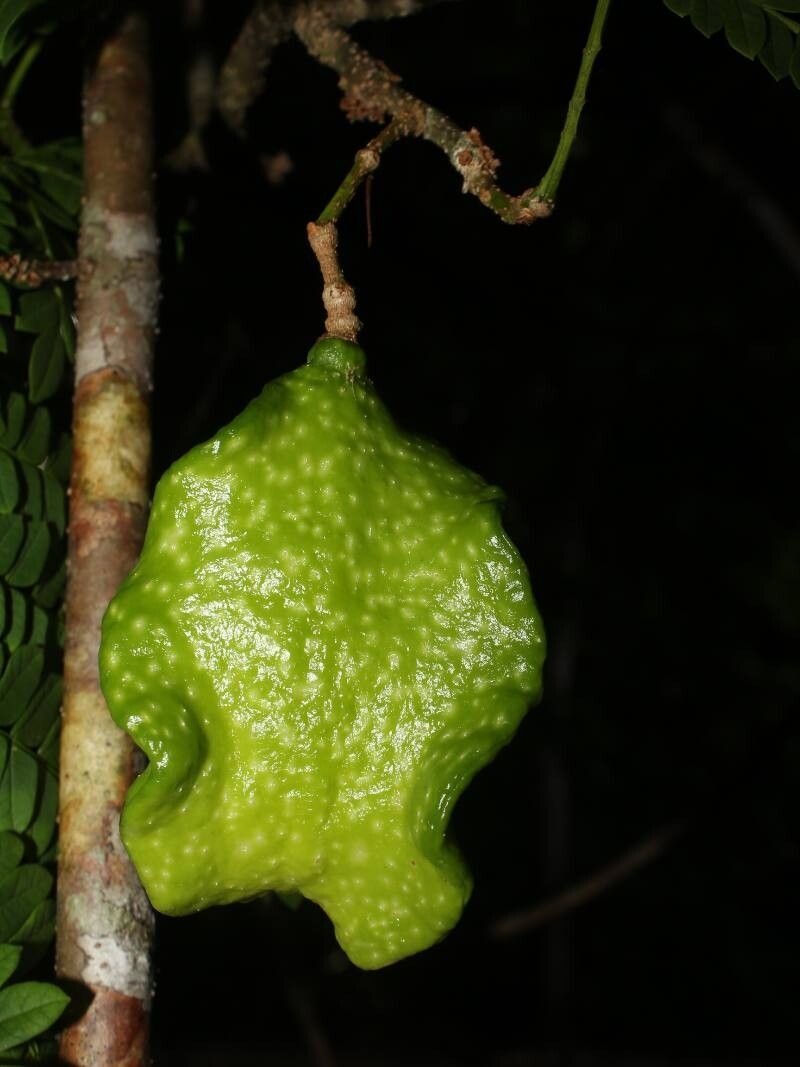
Oh, Jacarandas! Just the mention of their ethereal, lavender-blue blooms makes me sigh. There’s something truly magical about those cascading sprays of color, isn’t there? If you’ve ever admired a Jacaranda caucana, with its delicate foliage and stunning flowers, you might be tempted to think, “How can I get one of those for myself?” Well, I’m here to tell you, propagating your own Jacaranda caucana is not only possible but incredibly rewarding. It’s a bit of a patient endeavor, I’ll admit, and for absolute beginners, it might feel a touch challenging. But with a little guidance and a lot of heart, you’ll be well on your way.
The Best Time to Start
Now, when it comes to getting your Jacaranda started, timing is everything. For the best chance of success, I always recommend working with softwood cuttings taken in late spring or early summer. This is when the plant is in an active growth phase, and those new, flexible stems have the best energy to push out roots. It’s like coaxing a sleepy child awake – you want them to be in a playful mood!
Supplies You’ll Need
Before we get our hands dirty, let’s gather our tools. Having everything ready makes the process so much smoother:
- Sharp pruning shears or a clean knife: Think sterile instruments for clean cuts.
- Rooting hormone: A powder, gel, or liquid form will work. It’s like a little booster shot for your cuttings.
- Well-draining potting mix: I like to use a blend of perlite, peat moss, and a bit of sand. Avoid anything that holds too much moisture.
- Small pots or seed trays: With drainage holes, of course!
- Plastic bags or a propagation dome: This creates that cozy, humid environment cuttings love.
- Water: For misting.
- Gravel or small stones (optional): For water propagation.
Propagation Methods
We’ll focus on stem cuttings, as it’s the most reliable method for Jacaranda caucana.
Stem Cuttings:
- Select Healthy Stems: From your mature Jacaranda, choose young, healthy stems that are about 6-8 inches long. They should be flexible, not woody. You’ll see a slight bend when you gently try to snap them.
- Make the Cut: Using your clean shears, make a clean cut just below a leaf node. A leaf node is that little bump where a leaf attaches to the stem. This is where the magic happens!
- Prepare the Cutting: Gently remove the lower leaves, leaving only a few at the top. This prevents them from rotting in the soil and concentrates the plant’s energy on rooting.
- Apply Rooting Hormone: Dip the cut end of the stem into your rooting hormone, tapping off any excess. This step is crucial for giving your cutting that extra kickstart.
- Plant Your Cuttings: Fill your pots or trays with your well-draining mix. Make a pilot hole with a pencil or your finger so you don’t rub off the rooting hormone. Then, insert the cutting about an inch deep and gently firm the soil around it.
- Create Humidity: Water the soil lightly. Then, cover the pot or tray with a clear plastic bag, a plastic bottle cut in half, or a propagation dome. This creates a mini-greenhouse. If you’re using a pot, you can insert a few skewers to keep the plastic from touching the leaves.
- Find a Warm Spot: Place your cuttings in a bright spot that receives indirect sunlight. Avoid direct sun, which can scorch the delicate cuttings.
The “Secret Sauce” (Pro Tips)
Here are a couple of my tried-and-true tricks that often make the difference:
- Bottom Heat is Your Friend: If you can, place your pots on a heat mat designed for propagation. A gentle warmth from below encourages root development much faster than ambient room temperature alone. It’s like giving their feet a warm bath!
- Don’t Forget the Misting: Mist your cuttings lightly daily to keep the leaves hydrated, especially if you’re using a propagation dome. You want that humid environment, but avoid waterlogged soil. If you see droplets forming heavily on the inside of the plastic, wipe it down gently.
Aftercare & Troubleshooting
Once your cuttings have been in their humid little homes for a few weeks, you’ll want to check for roots. Gently tug on a cutting. If there’s resistance, you’ve got roots!
- Gradual Transition: When you see signs of new leaf growth or feel that resistance, it’s time to gradually introduce them to normal conditions. Start by opening the plastic bag for a few hours each day, slowly increasing the time over a week or so.
- Watering: Continue to water them when the top inch of soil feels dry. They’re still a bit delicate!
- Common Issues: The biggest foe here is rot. If you notice cuttings turning black and mushy, it’s usually a sign of too much moisture and not enough air circulation. This is why that well-draining soil and careful watering are so vital. Another sign of failure is wilting that doesn’t improve with misting – this could mean they just didn’t get enough energy to establish roots.
A Encouraging Closing
Propagating Jacaranda caucana is a journey of patience and observation. There will be times you wonder if anything is happening, and then, slowly but surely, you’ll see those tiny new leaves unfurl. Don’t get discouraged if not every cutting takes – that’s just nature’s way! Celebrate the successes, learn from any setbacks, and most importantly, enjoy the process of nurturing new life. Happy gardening!
Resource:
https://identify.plantnet.org/k-world-flora/species/Jacaranda%20caucana%20Pittier/data