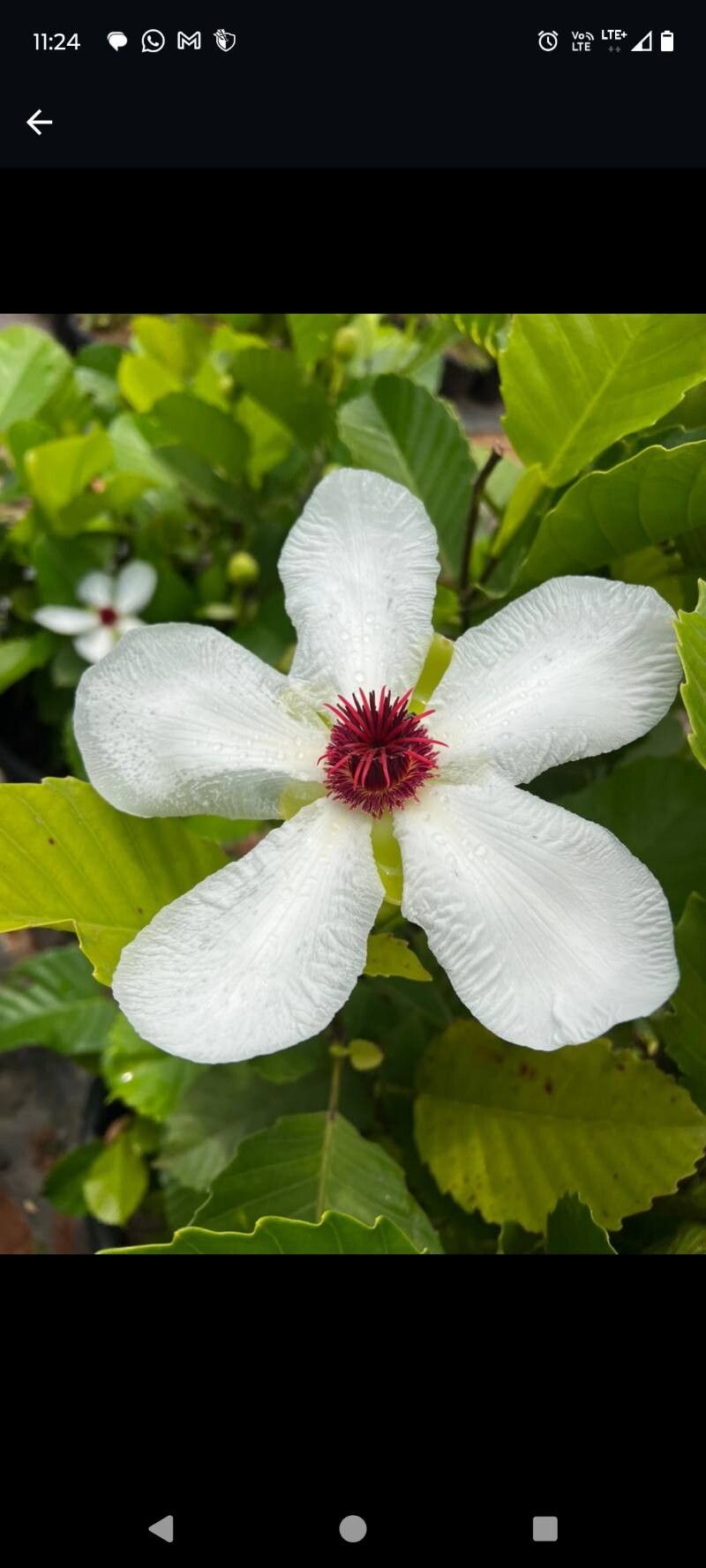
Oh, hello there! Grab a mug, let’s chat about the wonderful world of Dillenia philippinensis, or as many of us affectionately call it, the Philippine Dillenia, or sometimes even Cat’s Eyes due to its beautiful, prominent seed husks after flowering. If you’ve ever seen one of these trees in full bloom, you know what a showstopper it is. Its large, cheerful yellow flowers are absolutely captivating, and the way they just seem to burst forth and brighten up any garden is truly special.
Now, you might be wondering if bringing this beauty into your own garden, by means of propagation, is a task for the faint of heart. I’m happy to say that while it requires a little attention, it’s very achievable! For beginners, I’d say it’s in the “moderately rewarding” category. You’ll learn some neat tricks along the way, and who doesn’t love the feeling of nurturing a new life from a cutting or seed?
The Best Time to Start
My absolute favorite time to get going with Dillenia philippinensis propagation is late spring to early summer. This is when the plant is really hitting its stride, full of vigor and ready to put that energy into new growth. You’ll want to take cuttings from healthy, actively growing stems that aren’t flowering or fruiting just yet. Think of it as tapping into that prime growing season energy!
Supplies You’ll Need
Here’s a little kit to get you prepared. Nothing too fancy, just the essentials:
- Sharp pruning shears or a clean craft knife: A clean cut is key for preventing disease.
- Potting mix: A well-draining mix is crucial. I like to use a blend of peat moss, perlite, and a little compost. You can also buy a good quality potting mix and amend it with extra perlite.
- Small pots or seedling trays: Make sure they have drainage holes!
- Rooting hormone (optional but recommended): This really gives your cuttings a nice boost. Look for one with a good balance of auxins.
- Plastic bags or a propagation dome: To create a humid microclimate.
- Activated charcoal (optional): A tiny bit mixed into the soil can help prevent fungal issues.
- Watering can with a fine rose: For gentle watering.
Propagation Methods
Dillenia philippinensis is usually propagated from stem cuttings. It’s pretty straightforward once you get the hang of it.
Stem Cuttings:
- Select Your Cuttings: Choose a healthy, pencil-thick stem from the current season’s growth. Look for a section that has at least two sets of leaves.
- Make the Cut: Using your sharp pruning shears or knife, make a clean cut just below a leaf node. This is where new roots are most likely to form. Aim for cuttings that are about 4-6 inches long.
- Prepare the Cutting: Gently remove the lower leaves, leaving just one or two at the very top. This prevents them from rotting in the soil and reduces water loss.
- Apply Rooting Hormone (if using): Dip the cut end of the stem into the rooting hormone powder, tapping off any excess.
- Plant Your Cuttings: Fill your pots or trays with your prepared, moistened potting mix. Make a small hole with your finger or a pencil and insert the cutting, making sure the leaf nodes are covered by the soil. Gently firm the soil around the stem.
- Water Gently: Water thoroughly but gently. You don’t want to dislodge the cutting.
- Create Humidity: Place a plastic bag loosely over the pot, or cover it with a propagation dome. This traps moisture and creates the humid environment your cuttings need to root. Make sure the leaves don’t touch the sides of the bag if possible. Ventilate occasionally to prevent mildew.
The “Secret Sauce” (Pro Tips)
Here are a couple of things I’ve learned over the years that really seem to make a difference:
- Bottom Heat is Your Friend! If you can, place your pots on a gentle heat mat. This warmer soil temperature encourages root development much faster than just ambient room temperature. It’s like giving them a cozy little incubator!
- Don’t Overwater Early On. While humidity is key, the cutting itself needs to be in slightly moist, not soggy, soil. Excess water at this stage is a fast track to rot. It’s better to err on the side of slightly too dry and mist the leaves if they look droopy.
Aftercare & Troubleshooting
Once you start to see new leaf growth or feel a slight resistance when you gently tug on the cutting, that’s a good sign roots are forming! This can take anywhere from 4 weeks to a few months.
- Gradual Acclimatization: Once you see roots, slowly start to remove the plastic bag or open the vents on your dome over a week or two. This helps the new plant get used to normal humidity levels before you transplant it.
- Transplanting: When the cutting has a good root system, it’s time to transplant it into a slightly larger pot with fresh potting mix.
- Troubleshooting: The most common issue is rot. If your cutting turns mushy and black, it’s a sign of too much moisture and poor drainage. Unfortunately, these are usually beyond saving. Yellowing leaves before roots appear can indicate insufficient light or too much water. Keep an eye on them and adjust accordingly.
A Encouraging Closing
Propagation is a journey, and sometimes those journeys have a few bumps. Don’t get discouraged if your first few attempts aren’t perfect. Each cutting you try is a learning experience. Be patient, pay attention to your plants, and enjoy the incredible satisfaction of watching something new grow. Happy gardening!
Resource:
https://identify.plantnet.org/k-world-flora/species/Dillenia%20philippinensis%20Rolfe/data