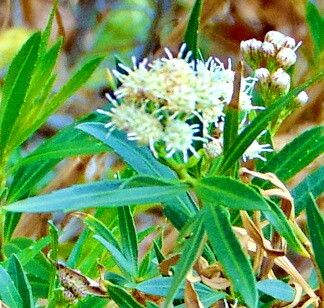
Hey there, fellow plant lovers! I’m so excited to chat with you today about a plant that’s a real workhorse in many gardens, but perhaps doesn’t get quite as much fanfare as it deserves: Baccharis salicifolia, or Coyote Brush. If you’re looking to add some hardy, native charm to your landscape, or just love the satisfaction of making more of your favorite plants, then let’s dive into how we can propagate Baccharis salicifolia. Trust me, it’s a wonderfully rewarding journey.
For me, propagating plants like Coyote Brush is more than just making more green things. It’s about connection. It’s about learning the rhythms of nature and feeling a little bit of magic as you coax new life from a single cutting or division. And the great news? Baccharis salicifolia is quite forgiving, making it a fantastic plant for those just dipping their toes into the world of propagation. You’ve got this!
The Best Time to Start
Generally, I find the sweet spot for taking cuttings of Baccharis salicifolia is late spring to early summer, right as the plant is in its active growth phase. You want to be grabbing stems that are somewhat mature – not the brand new, super soft, floppy growth, but also not woody and stiff. Think of stems that are firm but still green and pliable. This is when the plant has the most energy to put into rooting.
Supplies You’ll Need
Here’s a little toolkit to get you started. Don’t worry if you don’t have everything on day one; start with what you have and build from there!
- Sharp Pruning Shears or a Knife: Clean cuts are crucial for healthy rooting.
- Rooting Hormone (Optional but Recommended): This really gives your cuttings a jumpstart. Look for one with a fungicide to help prevent rot.
- Well-Draining Potting Mix: A blend of equal parts perlite and peat moss or coco coir is excellent. You can also use a mix formulated for cuttings.
- Small Pots or Seedling Trays: Anything that can hold your cuttings and potting mix. Make sure they have drainage holes.
- Plastic Bag or Humidity Dome: To create a mini greenhouse effect.
- Watering Can with a Fine Rose: For gentle watering.
- Labels and a Pen: To keep track of what you’ve planted and when.
Propagation Methods
Let’s get our hands dirty with a couple of reliable methods.
Stem Cuttings
This is by far my go-to for Baccharis salicifolia.
- Take Cuttings: On a cool morning, using your clean shears, take 4-6 inch cuttings from healthy stems. Make the cut just below a leaf node (where the leaves attach to the stem).
- Prepare the Cuttings: Gently remove the leaves from the bottom half to two-thirds of each cutting. This prevents them from rotting in the soil or water and encourages the plant to focus its energy on root development. You can leave one or two sets of leaves at the very top.
- Apply Rooting Hormone: Dip the cut end of each cutting into your rooting hormone, tapping off any excess.
- Pot Up: Fill your pots or trays with the prepared potting mix. Make a small hole with your finger or a pencil.
- Insert Cuttings: Gently place each cutting into the hole, ensuring the leaf nodes are buried in the soil. Firm the soil around the base of the stem.
- Water Gently: Water thoroughly until you see water draining from the bottom of the pot.
- Create a Humid Environment: Cover the pots loosely with a plastic bag or a humidity dome. You can use stakes to keep the bag from touching the leaves. Place the pots in a bright spot, but out of direct sunlight.
Water Propagation (for the curious!)
While I prefer a soil medium for long-term success with Baccharis, you can try water propagation for a visual thrill.
- Prepare Cuttings: Follow steps 1 and 2 above for taking and preparing your cuttings.
- Place in Water: Put the cuttings in a jar or glass of clean water. Make sure no leaves are submerged below the water line.
- Change Water Regularly: Change the water every few days to keep it fresh and prevent bacterial growth.
- Wait and Watch: You’ll start to see small white roots emerge from the dipped end. Once these roots are about an inch long, it’s time to get them into soil!
The “Secret Sauce” (Pro Tips)
Here are a few little tricks I’ve learned over the years that can make a big difference:
- The Bottom Heat Trick: If you can, place your pots on a heat mat designed for seedlings. This gentle bottom warmth really encourages root formation and speeds up the process considerably. It’s like giving your little cuttings a cozy little spa day!
- Don’t Overwater! This is probably the most common mistake. Moist is good; soggy is death. Always check the soil moisture before watering. Stick your finger in about an inch – if it feels dry, then water.
- Be Patient with the Leaves: If you see any leaves wilting or looking a bit sad on your cuttings, don’t panic! Sometimes they shed older leaves as they focus on rooting. Just remove any that turn yellow or brown.
Aftercare & Troubleshooting
Once you see signs of new growth (little leaves unfurling!) or feel a gentle tug when you very carefully wiggle a cutting, that’s a good indication that roots have formed.
- Acclimate Slowly: If you used a plastic bag or dome, gradually introduce your new plants to drier air by opening the cover for longer periods over a week.
- Keep Moist: Continue to water gently and keep the soil consistently moist but not waterlogged as the roots establish.
- Watch for Rot: The most common sign of failure is rot. If your cuttings look mushy, black, or smell foul, they’ve likely succumbed to rot, usually due to overwatering or poor air circulation. This is why that rooting hormone with fungicide is a good idea!
- Leggy Growth: If your cuttings are growing tall and thin, they might not be getting enough light. Move them to a brighter location.
A Encouraging Closing
Propagating Baccharis salicifolia is a journey of observation and patience. Don’t be discouraged if your first few attempts aren’t perfect. Every cutting is a learning experience, and with a little practice, you’ll be amazed at how many beautiful plants you can create. Happy propagating, and enjoy the satisfaction that comes with growing your own little piece of nature!
Resource: