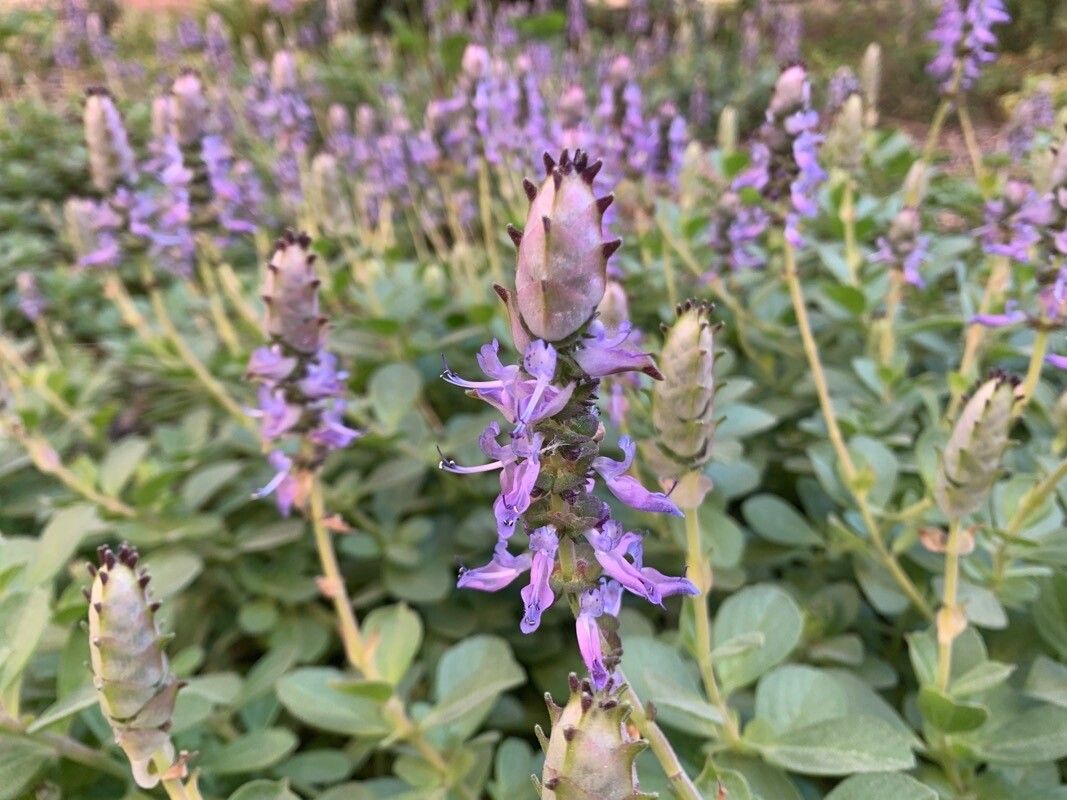
Hello fellow gardeners! Today, we’re diving into the wonderful world of propagating Coleus neochilus. If you’ve ever admired those stunning, velvety, deep purple leaves, you know how special this plant is. It brings such a dramatic splash of color to any corner of the garden or a pot on the patio. And the best part? It’s incredibly rewarding to create more of these beauties yourself! Don’t worry if you’re new to this; Coleus neochilus is actually quite a forgiving plant, making it a fantastic choice for beginners looking to expand their collection or share with friends.
The Best Time to Start
Honestly, you can propagate Coleus neochilus pretty much year-round indoors, especially if you have good light. However, for the absolute best results, aim for spring and early summer. This is when the plant is actively growing, and its cuttings tend to root most vigorously. It’s like giving them every advantage to get off to a strong start.
Supplies You’ll Need
Gather these essentials, and you’ll be well on your way:
- Sharp pruning shears or secateurs: Cleanliness is key for preventing disease.
- Small pots or seedling trays: Whatever you have on hand will work.
- Well-draining potting mix: A peat-based mix with perlite or vermiculite is perfect. You can even use a specialized seedling mix.
- Rooting hormone (optional but helpful): A powder or gel can speed up the process.
- Watering can or spray bottle: For gentle watering.
- Clear plastic bag or propagation dome (optional): To create a mini-greenhouse effect.
Propagation Methods
There are a couple of ways to start new Coleus neochilus plants, and both are pretty reliable.
Stem Cuttings
This is my go-to method for Coleus neochilus. It’s quick and effective.
- Take your cuttings: Using your clean shears, select a healthy stem that’s about 4-6 inches long. Make your cut just below a leaf node (where the leaves attach to the stem). Remove the lower leaves, leaving just a few at the top.
- Apply rooting hormone (if using): Dip the cut end into the rooting hormone, tapping off any excess.
- Plant your cuttings: Fill your small pots or trays with your well-draining mix. Make a small hole with your finger or a pencil and gently insert the cutting. Firm the soil gently around the stem.
- Water lightly: Give your cuttings a gentle watering. You want the soil to be consistently moist but not waterlogged. A spray bottle is great for this initially.
- Create humidity: If you like, cover the pots loosely with a plastic bag or pop them under a propagation dome. This helps keep the humidity high, which the cuttings love. Make sure the leaves aren’t touching the sides of the bag excessively.
- Place in bright, indirect light: Find a warm spot that receives plenty of bright, indirect sunlight. Avoid direct sun, as it can scorch those delicate new cuttings.
Water Propagation
Some gardeners prefer to start cuttings in water, and Coleus neochilus takes to this beautifully.
- Prepare your cuttings: Just as with stem cuttings, select healthy stems and make your cut just below a leaf node. Remove the lower leaves.
- Place in water: Put the cuttings in a glass or jar filled with clean water. Make sure none of the leaves are submerged – only the stem should be in the water.
- Change the water regularly: Do this every few days to keep it fresh and prevent rot.
- Location is key: Place the jar in a bright, indirect light spot, just like with soil propagation.
- Watch for roots: You should start to see small white roots emerging from the nodes within a couple of weeks. Once the roots are about an inch long, you can carefully transplant them into soil.
The “Secret Sauce” (Pro Tips)
Here are a few little tricks I’ve picked up over the years that can really boost your success:
- Don’t let those leaves touch the water: With water propagation, this is crucial. If leaves sit in the water, they’ll just rot and potentially do the same to your cutting. Pinch them off if you have to.
- Bottom heat never hurts: If you’re having trouble getting cuttings to root, especially in cooler months, consider using a gentle heat mat. Coleus neochilus loves a bit of warmth at its base; it encourages root development.
- The “mother plant” matters: Always take cuttings from a healthy, vigorous plant. If the parent plant is struggling, its cuttings will have a harder time establishing themselves. Think of it as choosing strong soldiers for your propagation army!
Aftercare & Troubleshooting
Once you see roots emerging (you can gently tug on the cutting to feel resistance), it’s time to treat your new plant like a miniature version of the big one.
- Watering: Keep the soil consistently moist but not soggy. As the plant grows, you can gradually reduce the humidity if you were using a cover.
- Fertilizing: Once your new plant has several sets of leaves and is well-established, you can start feeding it with a diluted, balanced liquid fertilizer.
- Signs of trouble: The most common issue is rot, which usually appears as a mushy, black stem base. This is almost always due to overwatering or poor drainage. If you see this, sadly, that cutting is likely lost. Another sign of stress can be wilting, but if the soil is moist, give it time. It might just be adjusting.
Happy Propagating!
Watching those little roots form and then seeing new leaves unfurl is one of the most satisfying gardening experiences. Be patient with your cuttings, provide them with the right conditions, and you’ll soon have a whole new batch of gorgeous Coleus neochilus to enjoy. Happy growing!
Resource:
https://identify.plantnet.org/k-world-flora/species/Coleus%20neochilus%20(Schltr.)%20Codd/data