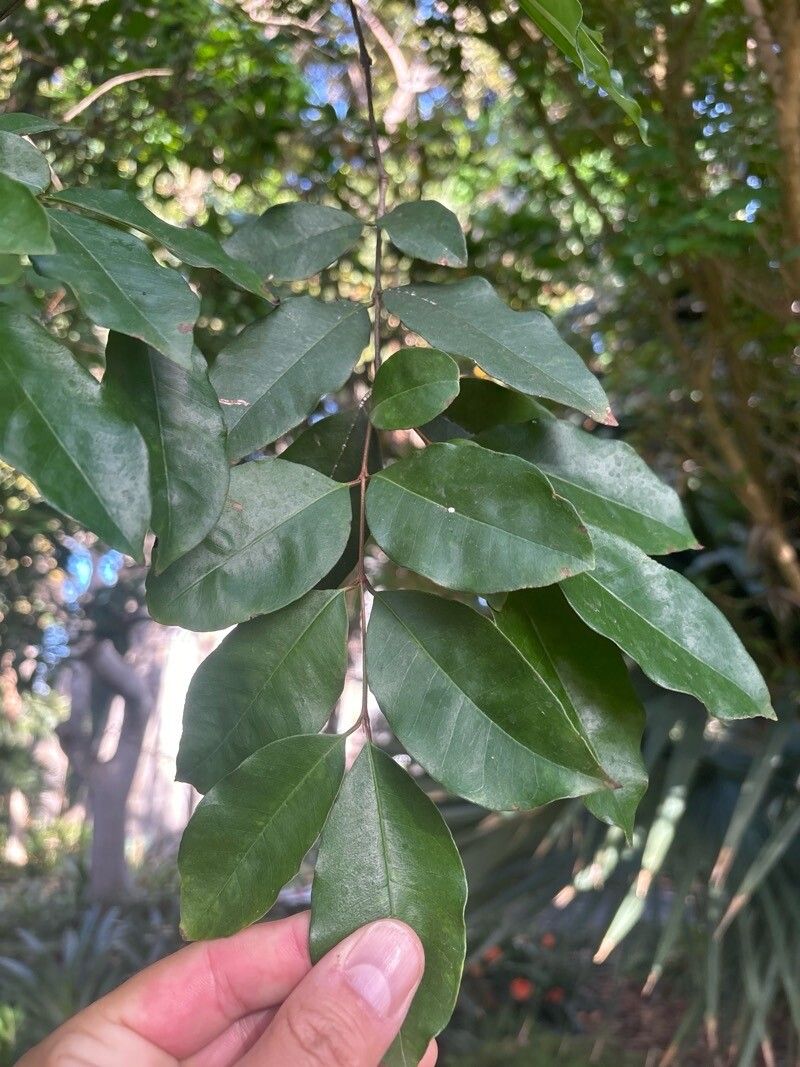
Hello, fellow green enthusiasts! Today, we’re diving into the wonderful world of Psidium friedrichsthalianum, more commonly known as the Yellow Guava or Costa Rican Guava. This beauty is a real treat for the senses, offering up delicious, tart fruit and lovely, often fragrant flowers. Plus, there’s something incredibly satisfying about growing your own fruit-bearing tree from scratch. If you’re new to plant propagation, you might find this one a little bit of a journey, but with a bit of care and attention, it’s definitely achievable!
The Best Time to Start
For our Yellow Guava, the sweet spot for propagation is usually late spring through mid-summer. This is when the plant is actively growing and has plenty of energy to put into developing new roots. You’ll want to select healthy, vigorous shoots that are not producing fruit or flowers. Think of it as capturing that youthful exuberance!
Supplies You’ll Need
To give your little guava cuttings the best start, gather these essentials:
- Sharp Pruning Shears or a Clean Knife: For making clean cuts.
- Rooting Hormone: A powder or gel to encourage root development.
- Well-Draining Potting Mix: I like a blend of equal parts perlite, peat moss, and compost.
- Small Pots or Seedling Trays: Clean and with drainage holes.
- Clear Plastic Bags or a Propagation Dome: To create a humid environment.
- Watering Can with a Fine Rose: For gentle watering.
- Optional: Heating Mat: To provide consistent warmth.
Propagation Methods
Let’s get our hands dirty! The most reliable method for Psidium friedrichsthalianum is through stem cuttings.
- Take Your Cuttings: From a healthy mature plant, select semi-hardwood cuttings. These are stems that are no longer actively growing very fast but haven’t hardened off completely. They should be about 4-6 inches long. Make the cut just below a leaf node. This is where a lot of the magic for root formation happens.
- Prepare the Cuttings: Gently remove the lower leaves, leaving only the top two or three. This prevents them from rotting in the soil and also reduces water loss. Dip the cut end into rooting hormone, tapping off any excess.
- Plant Your Cuttings: Fill your pots or trays with your prepared potting mix. Make a small hole in the center with your finger or a pencil. Carefully insert the cutting into the hole, ensuring the rooting hormone is in contact with the soil. Gently firm the soil around the base.
- Create a Humid Environment: Water the soil gently until it’s moist but not soggy. Cover the pots with a clear plastic bag, propped up with stakes if needed so the leaves don’t touch the plastic, or use a propagation dome. This traps moisture and creates the humid conditions your cuttings need to form roots.
- Find a Cozy Spot: Place the pots in a warm location with bright, indirect light. Avoid direct sun, which can scorch the cuttings and overheat their new environment.
The “Secret Sauce”
Now for a couple of insider tricks to really boost your success:
- Bottom Heat is Your Friend: While not strictly necessary, placing your pots on a heating mat set to around 70-75°F (21-24°C) makes a world of difference. This consistent warmth encourages roots to form much faster and more reliably than relying solely on ambient room temperature.
- Air Circulation is Key: Every day or two, lift the plastic bag or propagation dome for a few minutes to allow for some air exchange. This helps prevent fungal diseases from setting in, which can be a common culprit in humid environments. You’re aiming for humidity, not a swamp!
Aftercare & Troubleshooting
Once your cuttings start showing signs of life – usually small leaves unfurling or a little push back when you gently tug on them (wait at least 4-6 weeks before doing this!) – it’s time for a change.
Gradually acclimate your new plants to drier air by opening the plastic bag or dome a little more each day over a week. Continue to keep them in bright, indirect light. Keep the soil consistently moist, but never waterlogged.
The most common issue you might encounter is rot. If you see stems turning mushy or blackening, it’s usually a sign of too much moisture and not enough air circulation. Don’t be discouraged if a few don’t make it; it’s a learning process for all of us! Just remove any failed cuttings promptly to prevent them from affecting others.
A Warm Encouragement
Propagating new life is such a rewarding endeavor. Be patient with your little guava cuttings. Nature has its own timeline, and watching those tiny roots emerge and the beginnings of a new plant take shape is truly a joy. Enjoy the process, learn from each step, and before you know it, you’ll have your very own Yellow Guava tree to nurture and perhaps even enjoy fruit from someday! Happy growing!
Resource: