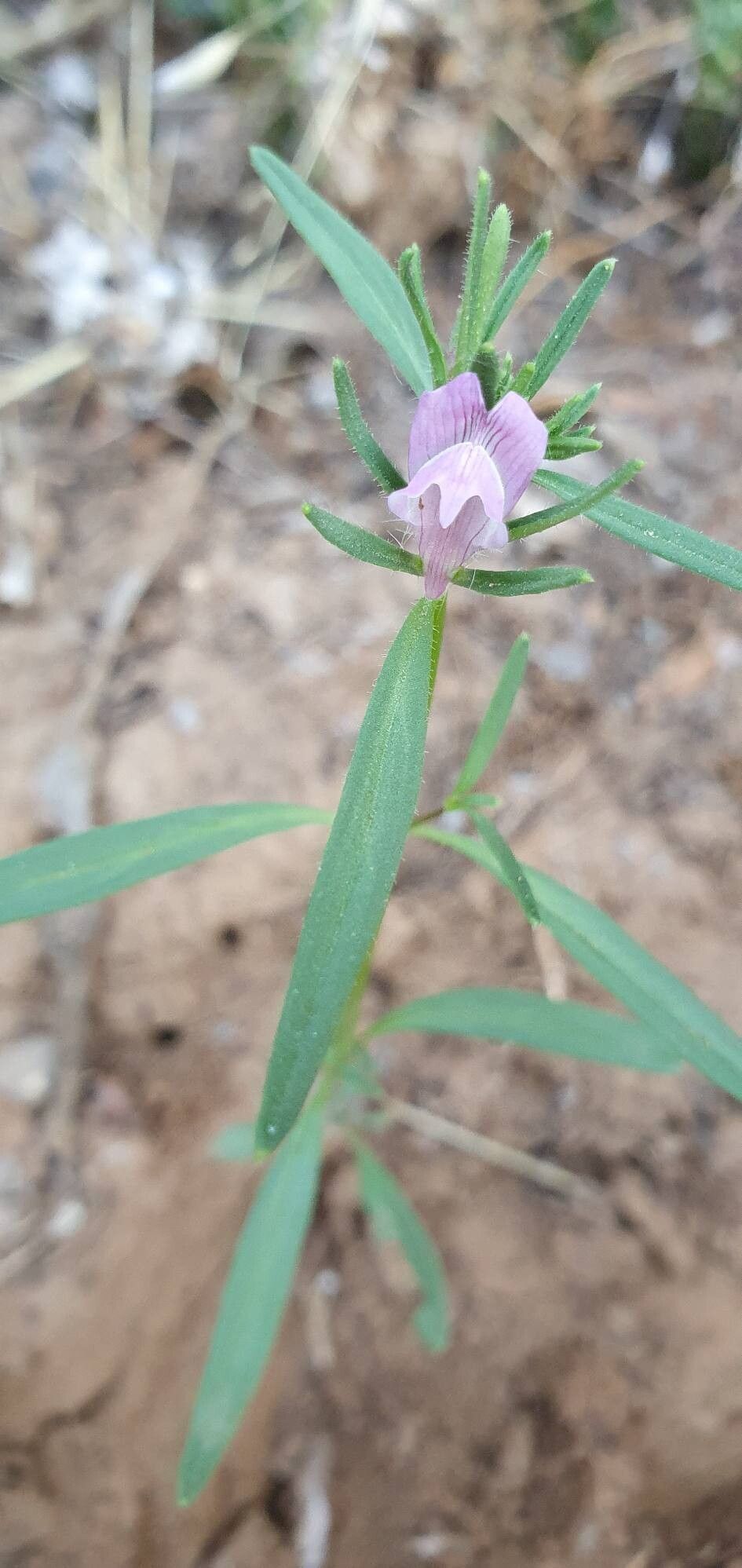
Hello fellow garden enthusiasts! Today, I want to chat about a real gem: Misopates calycinum. If you’ve ever seen this lovely plant gracing a garden, you’ll know its charm. It’s got these beautiful snapdragon-like flowers in shades of pink and lavender, attracting all sorts of beneficial pollinators. The best part? It’s surprisingly easy to grow from seed or cuttings, making it perfect for anyone looking to fill their garden corners with a bit of whimsy. Don’t be intimidated; this is a fantastic plant for even the newest sprout in the gardening world.
The Best Time to Start
For the highest success rate, I find that starting Misopates calycinum from cuttings in late spring or early summer is the way to go. The plant is actively growing then, and these warmer months provide the perfect conditions for rooting. If you’re growing from seed, sowing indoors about 6-8 weeks before your last frost date is ideal.
Supplies You’ll Need
Here’s what you’ll want to have on hand:
- Sharp pruning shears or a clean knife: For taking precise cuttings.
- Small pots or seed trays: Clean and with drainage holes are a must!
- Potting mix: A lightweight, well-draining mix is key. I like a blend of a good quality potting soil mixed with perlite or vermiculite. For cuttings, a mix designed specifically for seed starting or cuttings works wonders.
- Rooting hormone (optional but recommended): This can give your cuttings a helpful boost.
- Plastic bags or a clear dome: To create a humid environment.
- Watering can with a fine rose: For gentle watering.
Propagation Methods
Let’s get our hands dirty!
Stem Cuttings
This is my favorite method for Misopates calycinum because it’s generally quite successful.
- Select your parent plant: Choose a healthy, vigorous Misopates calycinum that isn’t flowering.
- Take cuttings: Using your clean shears or knife, take stem cuttings that are about 4-6 inches long. Make the cut just below a leaf node (where a leaf attaches to the stem).
- Prepare the cuttings: Gently remove the lower leaves from the cutting, leaving just the top few leaves. If the leaves are large, you can even cut them in half horizontally to reduce water loss.
- Dip in rooting hormone (optional): If you’re using rooting hormone, dip the cut end of each stem into the powder or gel. Tap off any excess.
- Plant the cuttings: Fill your small pots or seed tray with your chosen potting mix. Make a small hole with your finger or a pencil and insert the cut end of the stem, firming the soil gently around it.
- Water gently: Water the soil thoroughly but carefully, ensuring it’s moist but not waterlogged.
- Create humidity: Cover the pots loosely with a plastic bag, a clear plastic dome, or place them in a propagator. This creates a mini-greenhouse effect.
Seed Propagation
- Prepare your tray: Fill a seed tray with a fine seed-starting mix.
- Sow the seeds: Scatter the Misopates calycinum seeds thinly over the surface of the soil. They are quite small!
- Cover lightly: You can lightly cover them with a thin layer of vermiculite or seed-starting mix, as they need some light to germinate.
- Water gently: Mist the surface with water until the soil is moist.
- Provide warmth and light: Place the tray in a warm spot (around 65-70°F or 18-21°C) and in bright, indirect light. Using a heat mat can really speed things up.
The “Secret Sauce” (Pro Tips)
Here are a few things I’ve learned over the years that make a difference:
- Don’t let the leaves touch the water: If you’re doing water propagation (which I find less reliable for this plant but still possible), make sure the leaves are well above the water line. Any submerged leaf will turn to mush and can introduce rot.
- Bottom heat is your friend: For cuttings, placing the pots on a seedling heat mat can dramatically speed up the rooting process. It encourages root development from below.
- Patience is a virtue: Misopates calycinum can sometimes be a bit slow to show signs of rooting. Don’t be tempted to pull them up to check too early! Gently tugging on a cutting can reveal resistance, indicating root growth.
Aftercare & Troubleshooting
Once you see new growth on your cuttings, or your seedlings are a decent size, it’s time to start thinking about their long-term care.
- Gradually increase light: As your new plants establish, slowly introduce them to more direct sunlight.
- Watering: Keep the soil consistently moist but never soggy. Water thoroughly when the top inch of soil feels dry.
- Transplanting: Once your cuttings have a good root system (you’ll see roots emerging from the drainage holes), you can carefully transplant them into their own pots or into the garden.
- Troubleshooting: The most common issue you’ll face is rot. This usually happens due to overwatering or poor drainage. If you see stems turning black and mushy, it’s a sign of rot. Unfortunately, there’s not much you can do once it sets in. To avoid it, ensure excellent air circulation and don’t let the soil stay waterlogged.
So there you have it! Propagating Misopates calycinum is a rewarding journey that brings a splash of beauty to your garden. Be patient, trust the process, and most importantly, enjoy the magic of watching new life emerge. Happy gardening!
Resource:
https://identify.plantnet.org/k-world-flora/species/Misopates%20calycinum%20(Lange)%20Rothm./data