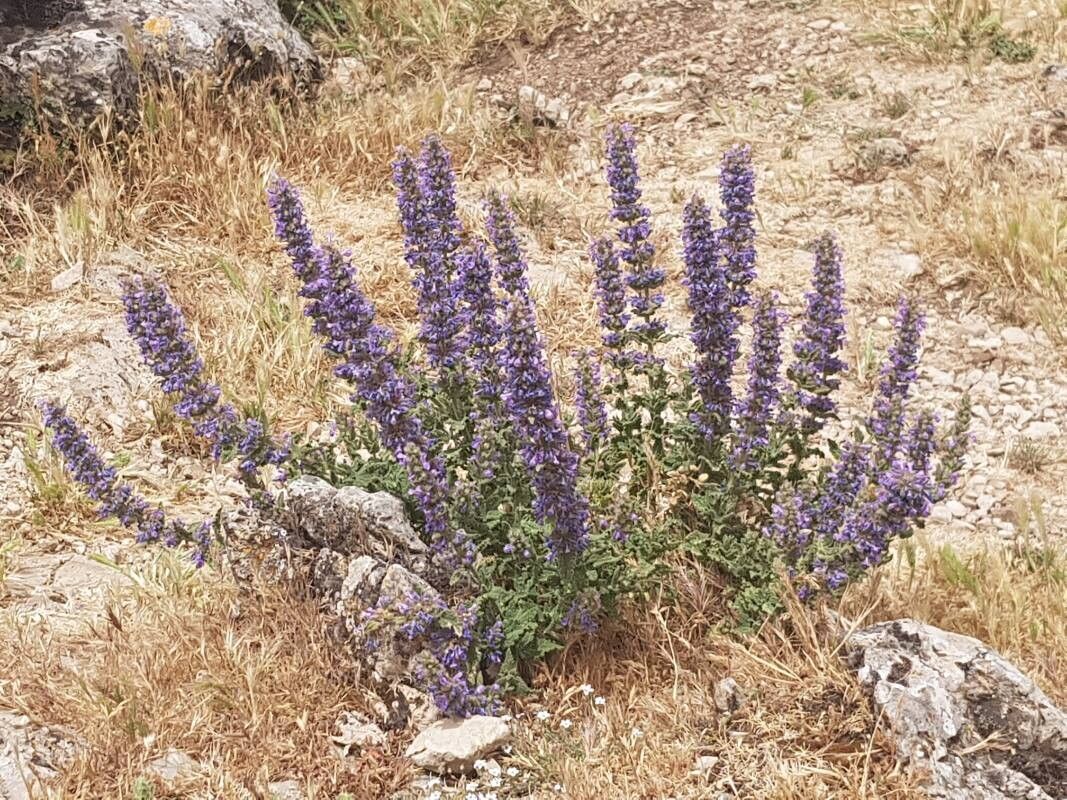
Hey there, fellow plant lovers! Today, we’re diving into the wonderful world of Nepeta foliosa. If you’ve ever admired that lovely, mounding plant with its delicate, often lavender-blue flowers that just hum with happy pollinators, you’re in for a treat. Growing more of this beauty is surprisingly simple and incredibly rewarding. It’s a real gem for any garden, and frankly, a fantastic plant for beginners to try their hand at propagating. You’ll be sharing these little wonders with friends in no time!
The Best Time to Start
When it comes to Nepeta foliosa, spring or early summer is your golden ticket. This is when the plant is actively growing and has plenty of energy to put into new root development. Look for stems that are vigorous and not yet flowering heavily. You want that fresh, green growth that feels supple, not woody. This timing gives your new plants plenty of the growing season ahead to establish themselves before cooler weather arrives.
Supplies You’ll Need
Gathering your supplies beforehand makes the whole process much smoother. Here’s what I’ve found helpful:
- Sharp Pruning Shears or a Knife: For clean cuts that heal well.
- Small Pots or Trays: About 3-4 inches wide are perfect for starting.
- Well-Draining Potting Mix: A mix designed for cuttings or a blend of potting soil with perlite or vermiculite works wonders. I often use a 50/50 blend.
- Rooting Hormone (Optional but Recommended): This can give your cuttings a helpful boost.
- Clear Plastic Bags or a Propagation Dome: To create a humid environment.
- Watering Can with a Fine Rose or Spray Bottle: For gentle watering.
Propagation Methods
Nepeta foliosa is wonderfully cooperative, and there are a couple of straightforward ways to get more plants. I’ve had the most success with stem cuttings.
Stem Cuttings:
- Take Your Cuttings: In spring or early summer, select healthy, non-flowering stems. Using your clean shears, take cuttings about 4-6 inches long. Make the cut just below a leaf node – that’s where the roots are most likely to form.
- Prepare the Cuttings: Gently remove the leaves from the bottom half of each cutting. You want to expose those nodes. If the leaves are large, you can even snip the remaining leaves in half to reduce water loss.
- Apply Rooting Hormone (If Using): Dip the cut end of each stem into your rooting hormone powder, tapping off any excess.
- Plant Your Cuttings: Fill your small pots or trays with your moistened potting mix. Make a small hole in the center of the soil with your finger or a pencil. Gently insert the cut end of the Nepeta cutting into the hole, ensuring the nodes are covered by soil. Firm the soil gently around the stem.
- Water Gently: Water thoroughly but gently, so you don’t dislodge the cuttings.
- Create Humidity: Cover the pots or trays loosely with a clear plastic bag or a propagation dome. This traps moisture and creates a mini greenhouse. If you’re using a bag, an old plastic grocery bag works nicely. Place it over the pot and secure it with a rubber band.
Water Propagation (A quick alternative):
- Take Cuttings: Similar to above, take 4-6 inch cuttings.
- Prepare Them: Remove the lower leaves.
- Place in Water: Place the cuttings in a jar or glass of clean water, making sure the leaf nodes are submerged.
- Change Water Regularly: Change the water every few days to keep it fresh and prevent rot.
- Roots Will Appear: You should see tiny roots forming within a couple of weeks. Once they’re an inch or so long, you can carefully transplant them into pots with soil.
The “Secret Sauce” (Pro Tips)
Here are a couple of tricks I’ve learned over the years that can really give your Nepeta propagation a helping hand:
- Don’t Let the Leaves Touch the Water (in stem cuttings): If you’re using the plastic bag method, make sure the leaves are elevated and not sitting directly in any water that might collect at the bottom of the pot. Wet leaves can encourage fungal diseases and rot, which is the last thing you want for your precious cuttings.
- Bottom Heat is Your Friend: While not strictly necessary for Nepeta foliosa (it’s pretty forgiving!), placing your pots on a gentle seedling heat mat can significantly speed up root development. It provides that consistent warmth from below that encourages roots to form faster, especially if your room temperature fluctuates.
Aftercare & Troubleshooting
Once your cuttings have started to root – you’ll see new leaf growth, a sign they’re actively working – it’s time for a little extra TLC.
- Acclimatize Slowly: Gradually remove the plastic bag or open the vents on your propagation dome over a few days. You want to let your new plants get used to the drier air in your home.
- Watering: Water when the top inch of soil feels dry to the touch. Avoid overwatering, as this is the most common culprit for failure.
- Light: Place your new plants in a bright spot with indirect sunlight. Direct sun can scorch delicate young leaves.
- Patience is Key: Give them time! Sometimes it takes several weeks to see significant growth.
If you notice wilting that doesn’t improve after watering, or if stems turn mushy and black, it’s usually a sign of rot. This often comes from too much moisture, poor drainage, or a lack of air circulation. If this happens, try to root another cutting, ensuring you’ve addressed these environmental factors.
A Little Patience Goes a Long Way
Propagating Nepeta foliosa is a wonderful way to fill your garden with more of this delightful plant or to share its charm with others. Don’t be discouraged if your first few attempts aren’t perfect; gardening is all about learning and experimenting. Just enjoy the process of nurturing these tiny beginnings, and before you know it, you’ll have a whole collection of your own! Happy growing!
Resource:
https://identify.plantnet.org/k-world-flora/species/Nepeta%20foliosa%20Moris/data