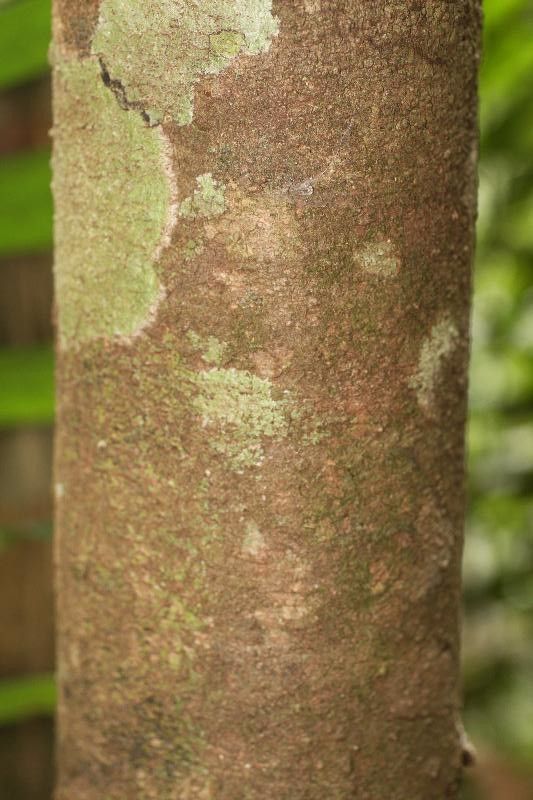
Hello fellow plant enthusiasts! Today, we’re diving into the wonderful world of propagating Ilex martiniana, or as some of you might know it, the Martin’s Holly. I’ve spent years admiring its glossy, dark green leaves and the subtle pops of berry it can offer. There’s a special kind of joy in taking a piece of a beloved plant and nurturing it into its own independent life. It’s a very rewarding endeavor, and while Ilex martiniana can be a smidge particular, it’s definitely achievable for most of you, even those still building your green thumb confidence!
The Best Time to Start
For Ilex martiniana, late spring to early summer is truly your golden window. This is when the plant is actively growing and has plenty of energy to put into developing roots. You’re looking for new growth that has started to firm up slightly. This is often referred to as “semi-hardwood” cuttings. Avoid taking cuttings when the plant is stressed, like during extreme heat or drought, or when it’s producing a lot of flowers or berries.
Supplies You’ll Need
Here’s a little arsenal to get you started:
- Sharp, clean pruning shears or a sharp knife: Crucial for making clean cuts to prevent disease.
- Rooting hormone powder or gel: This is your secret weapon for encouraging root development.
- Well-draining potting mix: A blend of peat moss, perlite, and a little bit of compost works wonders. You can also buy specialized propagation mixes.
- Small pots or seedling trays: Anything that can hold your cuttings and mix. Make sure they have drainage holes!
- Plastic bags or humidity domes: To maintain a humid environment for your cuttings.
- A watering can with a fine rose: For gentle watering.
- Optional but highly recommended: A heat mat: This little beauty can speed up root formation considerably.
Propagation Methods: Stem Cuttings
This is generally the most successful method for Ilex martiniana.
- Gather your cuttings: Using your clean shears, take cuttings that are about 4-6 inches long from healthy, vigorous stems. Look for stems with some slightly hardened wood at the base and fresh, leafy growth at the tip. Remove any flowers or developing berries – they steal precious energy.
- Prepare the cuttings: At the base of each cutting, remove the lower leaves. You want a clean stem section with a few leaves at the very top. If your leaves are very large, you can even diminish them by cutting them in half widthwise to reduce water loss through transpiration.
- Apply rooting hormone: Dip the cut end of each stem into your rooting hormone. Gently tap off any excess.
- Plant your cuttings: Fill your pots or trays with your moistened potting mix. Make a small hole with a pencil or dibber (a stick works too!) and insert the hormone-coated end of the cutting. Gently firm the soil around the base.
- Water gently: Water thoroughly but avoid waterlogging. Let any excess drain away.
- Create humidity: Cover your pots with plastic bags secured with a rubber band, or use a humidity dome. Make sure the plastic doesn’t touch the leaves. You can use stakes to prop it up if needed. Place these in a bright spot, but out of direct sunlight.
The “Secret Sauce” (Pro Tips)
- Don’t be afraid to take more than you think you need. Not every cutting will take, and it’s better to have spares than to regret not having enough. Some of my most successful propagations have come from “just in case” cuttings!
- Bottom heat is a game-changer. If you have a heat mat, place your pots on it. This gentle warmth encourages the roots to form from the bottom up, significantly increasing your success rate and speeding up the process.
- Cleanliness is paramount. I can’t stress this enough. Dirty tools can introduce diseases that will spell disaster for your delicate cuttings. Wipe down your pruning shears or knife with rubbing alcohol between every few cuts.
Aftercare & Troubleshooting
Once your cuttings are planted, keep them in that consistently moist but not soggy environment. Check the moisture level regularly. If the top of the soil feels dry, it’s time for a gentle watering.
You’ll know your cuttings are rooting when you gently tug on them and feel resistance. You might also see new leaf growth emerge. This can take anywhere from 4 to 12 weeks, so patience is key!
The most common issue you’ll encounter is rot. This usually happens when the soil is too wet and there’s not enough air circulation. If you see a cutting turning black and mushy, remove it immediately to prevent it from affecting others. Ensure your pots have good drainage and that you’re not overwatering. Leggy, pale growth can indicate not enough light.
A Encouraging Closing
See? It’s not as daunting as it might first appear. Propagating Ilex martiniana is a wonderful way to expand your garden and share the beauty of this plant with friends. Be patient with the process, celebrate every tiny new leaf, and don’t get discouraged by any setbacks. The satisfaction of seeing your own little holly flourish is absolutely worth it. Happy propagating!
Resource:
https://identify.plantnet.org/k-world-flora/species/Ilex%20martiniana%20D.Don/data