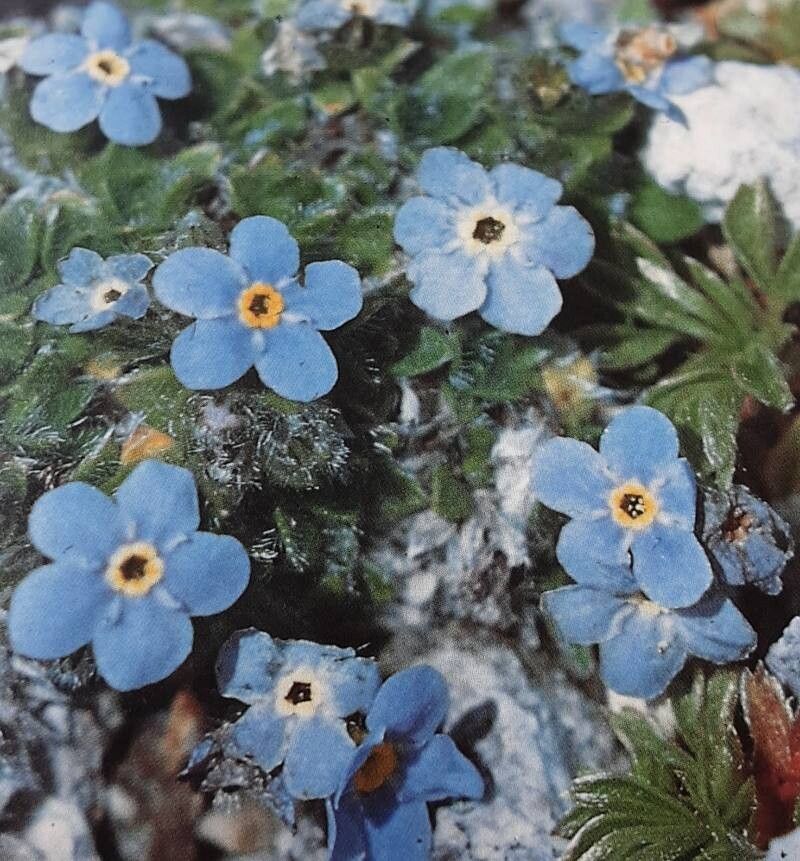
Ah, Eritrichium nanum, the Alpine Forget-me-not! Isn’t it just a gem? Those tiny, brilliant blue flowers nestled amongst silvery foliage… it’s like a little piece of the high mountains right in your garden. For me, propagating these treasures is incredibly rewarding, a way to share a bit of that alpine magic. Now, I’ll be honest, Eritrichium nanum isn’t the easiest plant to get started with for complete beginners. It likes things just so. But with a little care and attention, it’s absolutely doable, and the payoff is well worth it!
The Best Time to Start
When it comes to coaxing new life from your Eritrichium nanum, spring is definitely your best bet. This is when the plant is actively growing after its winter rest. You’ll have the most robust, healthy stems to work with, and they’ll be eager to root and establish themselves before the heat of summer sets in. Look for young, vigorous shoots that haven’t yet flowered.
Supplies You’ll Need
Gathering your tools beforehand makes the whole process so much smoother. Here’s what I like to have on hand:
- Sharp, clean pruning shears or a sharp knife: For clean cuts that heal quickly.
- A well-draining potting mix: This is crucial! A mix of equal parts seed-starting mix, perlite, and a bit of horticultural grit works wonders. You want it to drain like a sieve.
- Small pots or trays: Clean pots are a must to prevent disease.
- Rooting hormone (optional but recommended): A powder or gel can give your cuttings a real boost.
- A plastic bag or propagator: To create a humid environment.
- Watering can with a fine rose: For gentle watering.
- Labels: To keep track of what you’ve planted!
Propagation Methods
For Eritrichium nanum, stem cuttings are generally the most successful and straightforward method. Here’s how I go about it:
- Take the Cuttings: In early to mid-spring, select healthy, non-flowering stems that are about 3-4 inches long. Using your clean shears, make a clean cut just below a leaf node (where a leaf attaches to the stem). Remove the lower leaves, leaving just a couple of leaves at the top.
- Prepare the Cuttings: If you’re using rooting hormone, dip the cut end of each stem into it, tapping off any excess.
- Plant the Cuttings: Gently insert the prepared cuttings into small pots filled with your well-draining potting mix. Make sure the leaf nodes where you removed leaves are buried in the soil.
- Provide Humidity: Water the soil gently. Then, cover the pots with a clear plastic bag or place them in a propagator. This traps moisture and keeps the humidity high, which is essential for the cuttings to root. You can prop up the bag with a few sticks if needed so it doesn’t touch the leaves.
- Provide Optimal Conditions: Place the pots in a bright location out of direct sunlight. Keep the soil consistently moist but not soggy.
The “Secret Sauce” (Pro Tips)
Here are a couple of things I’ve learned over the years that really make a difference for these little alpine beauties:
- Avoid Soggy Bottoms: I can’t stress this enough – excellent drainage is non-negotiable. If your cuttings sit in wet soil, they’ll rot before they even have a chance to root. That special grit in the mix is your secret weapon here.
- Bottom Heat is Your Friend: While not strictly necessary, placing your pots on a gentle seedling heat mat can significantly speed up root development. It mimics the warmth of the earth and encourages those sleepy roots to wake up.
Aftercare & Troubleshooting
Once you start to see new growth or a gentle tug when you lightly pull on a cutting, it’s a good sign that roots have formed! At this point, you can gradually acclimatize your new plants to lower humidity by opening the plastic bag a little more each day over a week.
The most common issue you’ll encounter is rot. If you see stems turning black and mushy, it’s almost always due to too much moisture and poor air circulation. If this happens, try to remove the affected cuttings immediately and ensure your remaining ones have good drainage and airflow. Don’t be discouraged if you lose a few; it’s part of the learning process!
A Encouraging Closing
Propagating Eritrichium nanum is a journey, not a race. Be patient, observe your cuttings, and celebrate the small wins. Each new plant you nurture is a testament to your growing skill and your connection with the natural world. Enjoy the process, and before you know it, you’ll have a little patch of alpine heaven to admire. Happy gardening!
Resource:
https://identify.plantnet.org/k-world-flora/species/Eritrichium%20nanum%20(L.)%20Gaudin/data