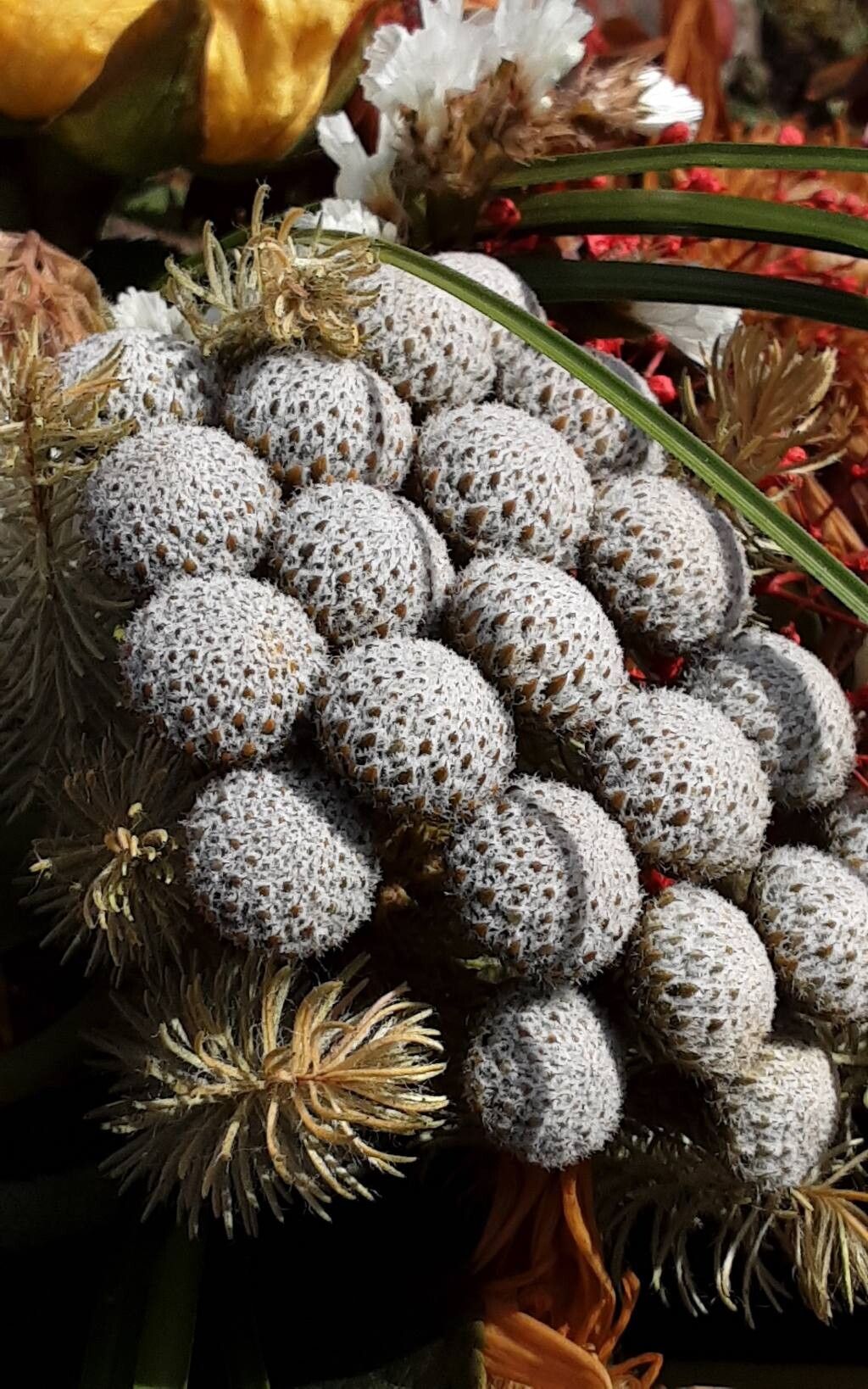
Hello fellow garden enthusiasts! I’m so glad you’ve stopped by for a chat. Today, we’re diving into the wonderful world of propagating Berzelia albiflora. If you’ve ever admired its delicate, frothy white blooms and elegant, airy foliage, you know just how special this plant is. Growing your own from cuttings is incredibly satisfying, like nurturing a little piece of your garden’s magic to life. While it’s not the absolute easiest plant to propagate, with a little patience and the right approach, you absolutely can succeed. It’s a rewarding challenge, and I’m here to guide you every step of the way.
The Best Time to Start
For Berzelia albiflora, timing is everything, and summer is your golden window. Specifically, aim for late spring to early summer, when the plant is actively growing. You’ll want to take cuttings from semi-hardwood stems. These are stems that have started to mature and are no longer soft and green but haven’t yet become fully woody. They have that perfect balance of flexibility and firmness, giving them the best chance to root.
Supplies You’ll Need
Gathering your tools beforehand makes the whole process smoother. Here’s what you’ll want to have on hand:
- Sharp, clean pruning shears or a sharp knife: Essential for making clean cuts.
- Rooting hormone powder or gel: This is a big help! It encourages root development.
- Well-draining potting mix: A good blend is key. I usually mix equal parts perlite, peat moss, and coarse sand. You can also find specialized seed-starting or cutting mixes.
- Small pots or seed trays with drainage holes: About 4-6 inch pots work well.
- Clear plastic bags or a propagation dome: To create a humid environment.
- Spray bottle: For misting.
- Labels and a permanent marker: Don’t forget to label what you’ve planted!
Propagation Methods: Stem Cuttings
This is the most common and effective way to multiply your Berzelia albiflora.
- Take the Cuttings: On a mild morning, select healthy, vigorous stems. Look for those semi-hardwood ones I mentioned. Using your clean shears, cut 4-6 inch lengths of stem. Make your cut just below a leaf node (where a leaf attaches to the stem).
- Prepare the Cuttings: Gently remove the lower leaves from the bottom half of the cutting. This prevents them from rotting once planted and encourages roots to form upwards. You can leave the top few leaves on; they’ll help the cutting produce energy.
- Apply Rooting Hormone: Dip the bottom ½-1 inch of each cutting into your chosen rooting hormone powder or gel. Tap off any excess.
- Plant the Cuttings: Fill your pots with the prepared, moist potting mix. Make a hole in the center of the soil with your finger or a pencil. Insert the prepared cutting into the hole, ensuring the leaf nodes are below the soil surface. Gently firm the soil around the base of the cutting.
- Create a Humid Environment: Water the soil lightly until it’s moist but not soggy. Then, cover the pot with a clear plastic bag or place it under a propagation dome. Make sure the plastic doesn’t touch the leaves too much. Poke a few small holes in the bag for ventilation.
The “Secret Sauce” (Pro Tips)
Here are a couple of things I’ve learned over the years that can truly make a difference with trickier cuttings:
- Bottom Heat is Your Friend: Berzelia albiflora absolutely loves a bit of warmth from below. Placing your pots on a heated propagation mat can significantly speed up root formation. It mimics the warmth of summer soil and encourages those roots to get going. You don’t need it scorching hot, just gently warm.
- Don’t Over-Water, But Keep it Humid: This is a delicate balance. While you need humidity, waterlogged soil will lead to rot. Mist the leaves occasionally with your spray bottle, especially if you lift the plastic to check, but let the top of the soil dry out slightly between waterings. The plastic cover will help maintain that humidity without constant watering.
Aftercare & Troubleshooting
Once your cuttings are planted, the waiting game begins. Keep them in a bright location out of direct, intense sunlight. You should start to see roots developing in about 4-8 weeks, possibly longer. You can check gently by giving a cutting a very slight tug; if there’s resistance, roots are forming!
Signs of Trouble:
- Rotting: If the stem turns black and mushy, it’s likely rot. This is usually caused by too much moisture and not enough air circulation. Sadly, a rotten cutting is usually a goner. Try to prevent it by ensuring good drainage and that slight drying out period between waterings.
- Wilting: A little wilting is normal at first as the cutting adjusts. But if it persists and the leaves look limp and dry, it might not be rooting, or it’s too dry. Increase humidity.
When your cuttings have a good root system, you’ll see new growth emerging. At this point, you can carefully transplant them into individual pots with a slightly richer potting mix.
A Little Patience, A Lot of Reward
Propagating plants like Berzelia albiflora is a journey. There will be successes, and there might be a few plants that don’t make it. Don’t get discouraged! Each attempt is a learning experience. Enjoy the process of nurturing these tiny new lives, and soon you’ll have a beautiful collection of your own frothy beauties to enjoy. Happy growing!
Resource: