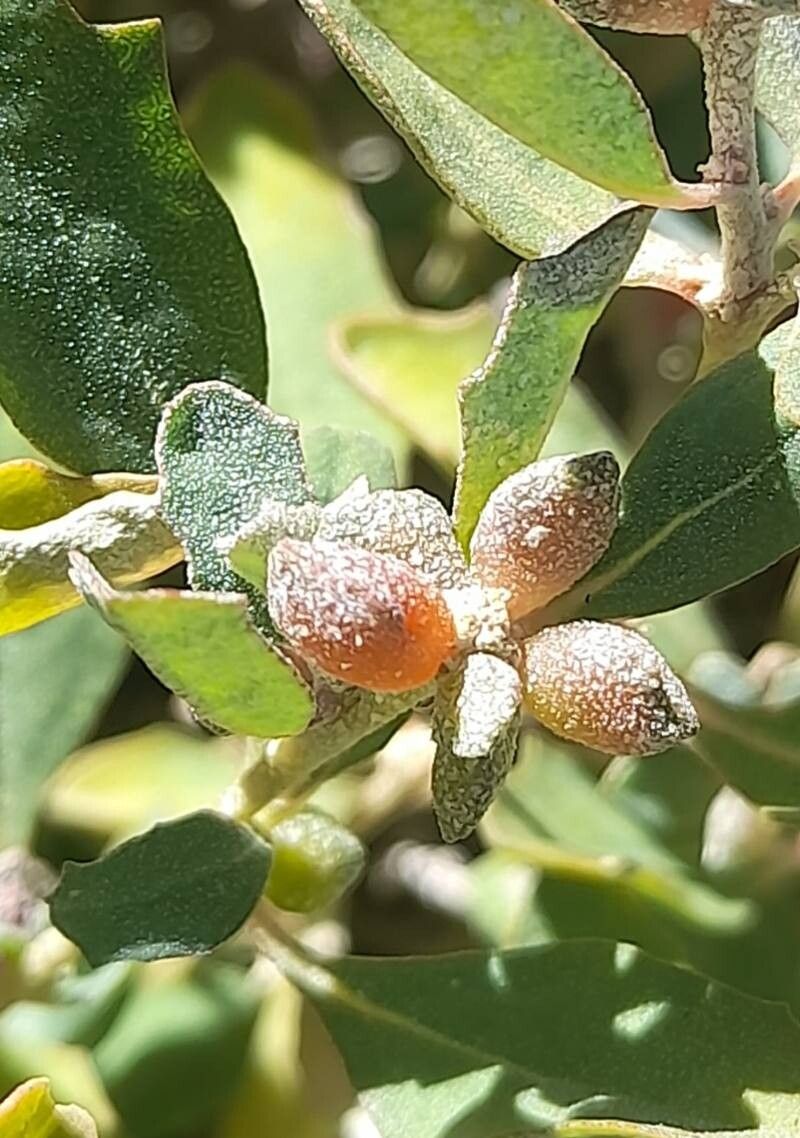
Hello fellow garden lovers! Today, we’re diving into the wonderful world of propagating Atriplex semibaccata, also known as creeping saltbush. If you’re looking for a tough, attractive groundcover that can handle a bit of everything – think coastal conditions, dry spells, and even a touch of salt – then this is your plant. I’ve had so much joy watching this little one spread and fill in bare patches in my own garden. Propagating Atriplex semibaccata is a truly rewarding experience, and I’m happy to report, it’s surprisingly easy, making it a fantastic choice for beginners eager to clone their favorite plants.
The Best Time to Start
For the highest success rates with Atriplex semibaccata, I find late spring to early summer is absolutely ideal. This is when the plant is in active growth, full of vigor, and its stems are pliable and ready to root. Waiting until after the risk of frost has passed in your region is also key.
Supplies You’ll Need
Gathering your supplies before you begin will make the whole process much smoother. Here’s what I always have on hand:
- Sharp pruning shears or a clean knife: For making clean cuts.
- Rooting hormone (optional but recommended): A powder or gel to give cuttings a helpful boost.
- Well-draining potting mix: A standard mix with added perlite or coarse sand works beautifully.
- Small pots or trays: With drainage holes!
- Plastic bags or a clear propagator lid: To create a humid environment.
- Watering can or spray bottle: For gentle watering.
- Labels: To keep track of your precious new plants.
Propagation Methods
Atriplex semibaccata is a gem because it readily roots from stem cuttings. This is by far my favorite and most reliable method.
Stem Cuttings:
- Take your cuttings: Select healthy, non-flowering stems from a mature plant. Using your sharp pruners, cut pieces that are about 4-6 inches long. Make your cut just below a leaf node (the point where a leaf attaches to the stem).
- Prepare the cuttings: Gently remove the lower leaves from the cutting, leaving just a few at the very top. This prevents them from rotting when buried in the soil.
- Apply rooting hormone (optional): If you’re using rooting hormone, dip the cut end of each stem into the powder or gel, tapping off any excess.
- Plant your cuttings: Fill your pots with the well-draining potting mix. Make a small hole in the center of the soil with your finger or a pencil. Then, insert the prepared cutting into the hole, gently firming the soil around it. Make sure at least one leaf node is buried beneath the soil surface.
- Water gently: Lightly water the soil to settle it around the cuttings.
- Create humidity: Cover the pots with a clear plastic bag (supported by stakes so it doesn’t touch the leaves) or place them in a propagator with a lid. This creates a mini-greenhouse effect, keeping the humidity high, which is crucial for cuttings to root.
The “Secret Sauce” (Pro Tips)
After years of working with plants, you pick up a few tricks! Here are my personal favorites for Atriplex semibaccata:
- Don’t overcrowd: Give your cuttings a bit of breathing room in their pots. Overcrowding can lead to poor air circulation and increase the risk of fungal issues. Space them out so that their leaves aren’t constantly touching each other.
- Bottom heat is your friend: While not strictly necessary, Atriplex semibaccata cuttings really take off with a bit of gentle warmth from below. A heat mat placed under your propagator can significantly speed up the rooting process. You’ll know it’s working when you see new leaf growth.
- Look for the tug: Resist the urge to pull on your cuttings to check for roots! The best indicator is actually new growth. Once you see tiny leaves unfurling or new shoots appearing, you know roots are forming beneath the surface.
Aftercare & Troubleshooting
Once your cuttings have rooted (you’ll see signs of new growth!), it’s time to transition them to a slightly more robust life.
- Acclimatize slowly: Gradually remove the plastic bag or propagator lid over a few days. This allows the new plants to adjust to the ambient humidity.
- Watering: Water when the top inch of soil feels dry. Avoid overwatering, which can lead to root rot. Ensure good drainage is maintained.
- Light: Provide bright, indirect light. Avoid harsh, direct sunlight, which can scorch their delicate new leaves.
- Troubleshooting: The most common issue you might encounter is rot. This is usually caused by overwatering and poor drainage. If a cutting goes limp and turns mushy, it’s likely succumbed to rot. Don’t be discouraged! Just discard it and try again, focusing on using a well-draining mix and watering more judiciously.
A Encouraging Closing
Propagating plants like Atriplex semibaccata is a wonderful way to expand your garden and share the green joy with friends. Be patient with the process. Some cuttings will root faster than others, and some may not make it. That’s all part of gardening! Enjoy watching those little roots form and the tiny new leaves emerge. Happy propagating!
Resource:
https://identify.plantnet.org/k-world-flora/species/Atriplex%20semibaccata%20R.Br./data