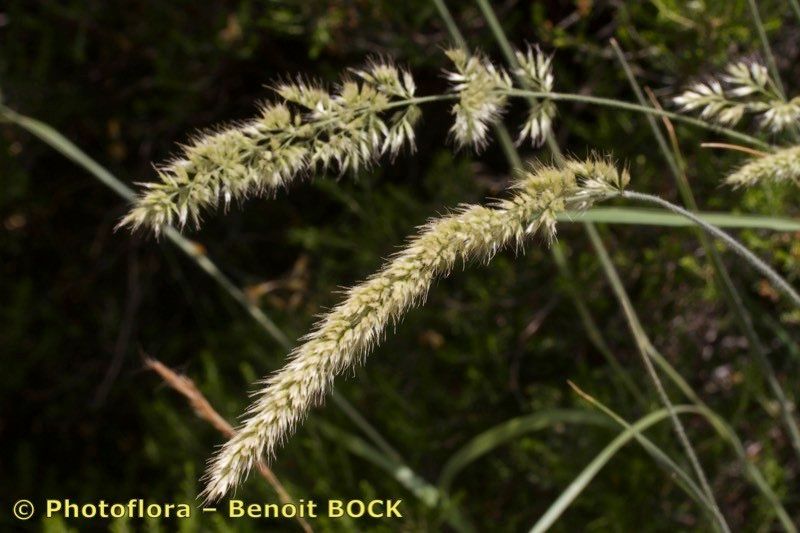
Oh, Koeleria hispanica! What a lovely little bunch grass. If you’ve seen it swaying gently in a sunny border, its feathery plumes catching the light, then you know why I’m so smitten. It brings a touch of airy elegance to any garden, and guess what? Propagating it is wonderfully rewarding, and actually quite doable, even for those just starting out on their green-thumb journey. I find it’s a plant that’s happy to share itself with you!
The Best Time to Start
For Koeleria hispanica, the sweet spot for propagation is definitely in the spring, as new growth really gets going. You’re looking for that vibrant, fresh energy. Alternatively, you can divide established clumps in early autumn before the weather turns truly cold. The key is to work with the plant when it’s actively growing or just before its major rest period.
Supplies You’ll Need
- Sharp, clean pruning shears or a small trowel: We want to make neat cuts, no crushing!
- Well-draining potting mix: A good mix for succulents or cacti works wonders, or you can create your own with equal parts potting soil, perlite, and coarse sand.
- Small pots or trays: Enough to give your new divisions or cuttings a cozy home.
- Labels: Essential for keeping track of what you’ve planted and when.
- Watering can with a fine rose or a spray bottle: Gentle watering is key.
- Optional: Rooting hormone (powder or gel): This can give things a little boost, especially for cuttings, though Koeleria is often pretty good on its own.
Propagation Methods
The most straightforward way to multiply your Koeleria hispanica is through division. It’s essentially just splitting up your existing plant into smaller, viable pieces.
- Gently excavate your mature Koeleria. Carefully dig around the base of the plant with your trowel, loosening the soil. Lift the entire clump out of the ground or pot.
- Clean off excess soil. You can do this by gently tapping the roots or rinsing them carefully under a stream of water. This makes it easier to see the root structure.
- Look for natural divisions. You’ll often see where the plant naturally wants to split. You can use your hands to gently tease these apart. For tougher divisions, use your clean pruning shears or trowel to cut through the root ball, ensuring each section has roots and some leafy growth.
- Prepare your new homes. Fill your small pots with the well-draining potting mix.
- Plant the divisions. Make a little hole in the soil for each divided section, place it in, and gently firm the soil around the roots. Ensure the crown of the plant (where the leaves emerge from the roots) is at or just slightly above soil level.
- Water gently. Give your newly potted divisions a nice, light drink of water.
The “Secret Sauce” (Pro Tips)
Here are a couple of things I’ve learned over the years that often make propagating grasses a bit easier:
- Don’t Overdo the Water, Especially Initially. After division, your new little plants are establishing. Too much water can actually lead to rot because they don’t have a robust root system yet to take it all up. Water them well once after planting, and then let them dry out a bit between waterings. They can handle a bit of dryness.
- Think About a Mini Greenhouse. For the first week or two, new divisions can benefit from a bit of humidity. You can achieve this by placing a clear plastic bag loosely over the pot, or by keeping them in a slightly more sheltered spot. Just make sure there’s still some air circulation to prevent mold.
Aftercare & Troubleshooting
Once your Koeleria divisions are potted, keep them in a bright spot but out of direct, scorching sun for the first week or so. Water when the top inch of soil feels dry.
The most common issue you might encounter is rot, which usually shows up as a mushy, black base to the leaves or roots. This is almost always due to overwatering or poor drainage. If you see this, sadly, that division is likely lost. The best prevention is, as we’ve discussed, using that well-draining soil and being mindful of your watering.
If your divisions look a bit sad and droopy, don’t despair! Give them time. They need to adjust to their new digs. Keep the soil slightly moist, and they should perk up as their roots take hold.
A Little Encouragement
Propagating plants is such a wonderful way to connect with nature and to expand your garden for free! Be patient with your Koeleria. Some divisions might take a little longer to show signs of life, but when they do, it’s incredibly satisfying. So grab your tools, get your hands in the soil, and enjoy the process of multiplying this beautiful grass. Happy gardening!
Resource: