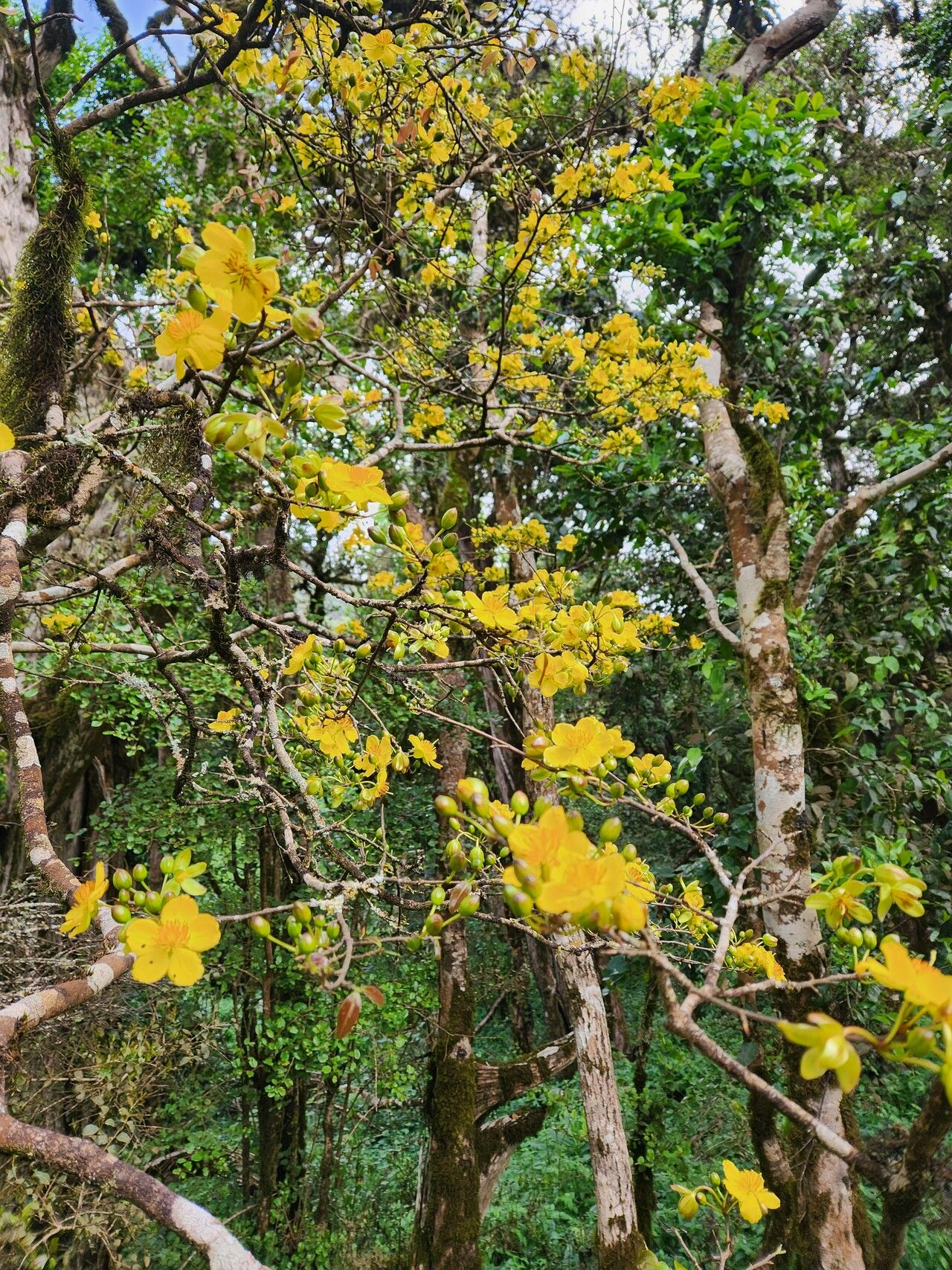
Hello there, fellow plant enthusiasts! I’m so excited to chat with you today about a truly delightful plant: Ochna insculpta. This beauty, with its bright yellow flowers and charming, jewel-like fruits, is a joy to have in the garden. And trust me, there’s a special kind of satisfaction that comes from coaxing a brand new plant into existence from a piece of an existing one. Propagating Ochna insculpta might sound a little daunting, but with a few pointers, I think even beginners will find it a rewarding endeavor.
The Best Time to Start
For Ochna insculpta, the sweet spot for propagation is typically in late spring or early summer. This is when the plant is actively growing and has plenty of energy to put into developing new roots. You’re looking for semi-hardwood cuttings, which means the stems are no longer brand new and soft, but also not fully woody and mature. They should be somewhat flexible but firm.
Supplies You’ll Need
Before we get our hands dirty, let’s gather our essentials:
- Sharp Pruning Shears or a Knife: Cleanliness is key to prevent disease.
- Rooting Hormone: This is a great booster, especially for trickier cuttings. Look for one suitable for woody or semi-woody plants.
- Well-draining Potting Mix: A 50/50 blend of perlite and peat moss, or a commercial seedling mix, works beautifully. You want something that allows air to circulate but retains just enough moisture.
- Small Pots or Seed Trays: Clean pots are a must!
- Plastic Bag or Humidity Dome: To create a humid environment for your cuttings.
- Watering Can or Spray Bottle: For gentle watering.
- Labels: To keep track of what you’ve planted and when!
Propagation Methods: Stem Cuttings
This is usually the most successful way to propagate Ochna insculpta.
- Take Your Cuttings: With your clean shears, select healthy stems from your mature plant. Aim for pieces about 4-6 inches long. Make the cut just below a leaf node, which is the point where a leaf attaches to the stem. This is where roots are most likely to form.
- Prepare the Cuttings: Remove the lower leaves, leaving just a couple of sets at the top. This reduces moisture loss and prevents leaves from rotting in the soil. If the cutting is quite long, you can even take a cutting at each leaf node, effectively making multiple smaller cuttings from one stem.
- Apply Rooting Hormone: Dip the cut end of each cutting into your rooting hormone powder, tapping off any excess.
- Plant the Cuttings: Fill your small pots or trays with your prepared potting mix. Make a small hole with a pencil or your finger and gently insert the treated end of the cutting.
- Firm the Soil: Gently firm the soil around the base of the cutting to ensure good contact.
- Water Gently: Water the soil thoroughly but gently, so you don’t dislodge the cuttings.
- Create Humidity: Cover the pots with a clear plastic bag or a humidity dome. This is crucial for keeping the moisture in. You can prop the bag up with a few sticks so it doesn’t touch the leaves. Place them in a bright spot that doesn’t get direct, hot sun.
The “Secret Sauce” (Pro Tips)
Here are a couple of things I’ve learned over the years that can really make a difference:
- Don’t Let Those Leaves Touch the Water (if you were considering water propagation): While some plants root easily in water, Ochna insculpta is a bit more particular. If you do try water propagation, make absolutely sure that the leaves aren’t submerged. Submerged leaves will rot quickly and can take your whole cutting down with them. Generally, I find soil propagation much more reliable for this plant.
- Bottom Heat is Your Friend! If you have a heating mat designed for propagation, using it under your pots can significantly speed up root development. The warmth encourages root growth from the bottom up, giving your cuttings a real boost.
Aftercare & Troubleshooting
Once your cuttings are planted and have their humidity tent, patience is key! Keep the soil consistently moist but not soggy. You should see signs of new leaf growth within a few weeks to a couple of months. This is a good indicator that roots are forming. To check for roots, gently tug on a cutting. If there’s resistance, you’ve got roots!
The most common issue you might encounter is rot, which usually happens if the soil stays too wet for too long, or if there isn’t enough air circulation. If you see brown, mushy stems, it’s likely rot. Unfortunately, a rotted cutting is usually a lost cause, so it’s better to discard it and learn from the experience.
Once your cuttings have established a good root system and are showing new growth, you can gradually acclimate them to lower humidity by slowly opening the plastic bag or removing the dome for longer periods each day. Once they can survive without the cover for 24 hours, they’re ready to be transplanted into their own small pots.
A Encouraging Closing
Propagating plants is such a wonderful way to understand the life cycle of your garden friends and to expand your collection. Don’t be discouraged if every cutting doesn’t take. Gardening is all about experimentation and learning. Enjoy the process, celebrate your successes, and know that with a little patience and these tips, you’ll be well on your way to enjoying more of that beautiful Ochna insculpta in your life. Happy propagating!
Resource:
https://identify.plantnet.org/k-world-flora/species/Ochna%20insculpta%20Sleumer/data