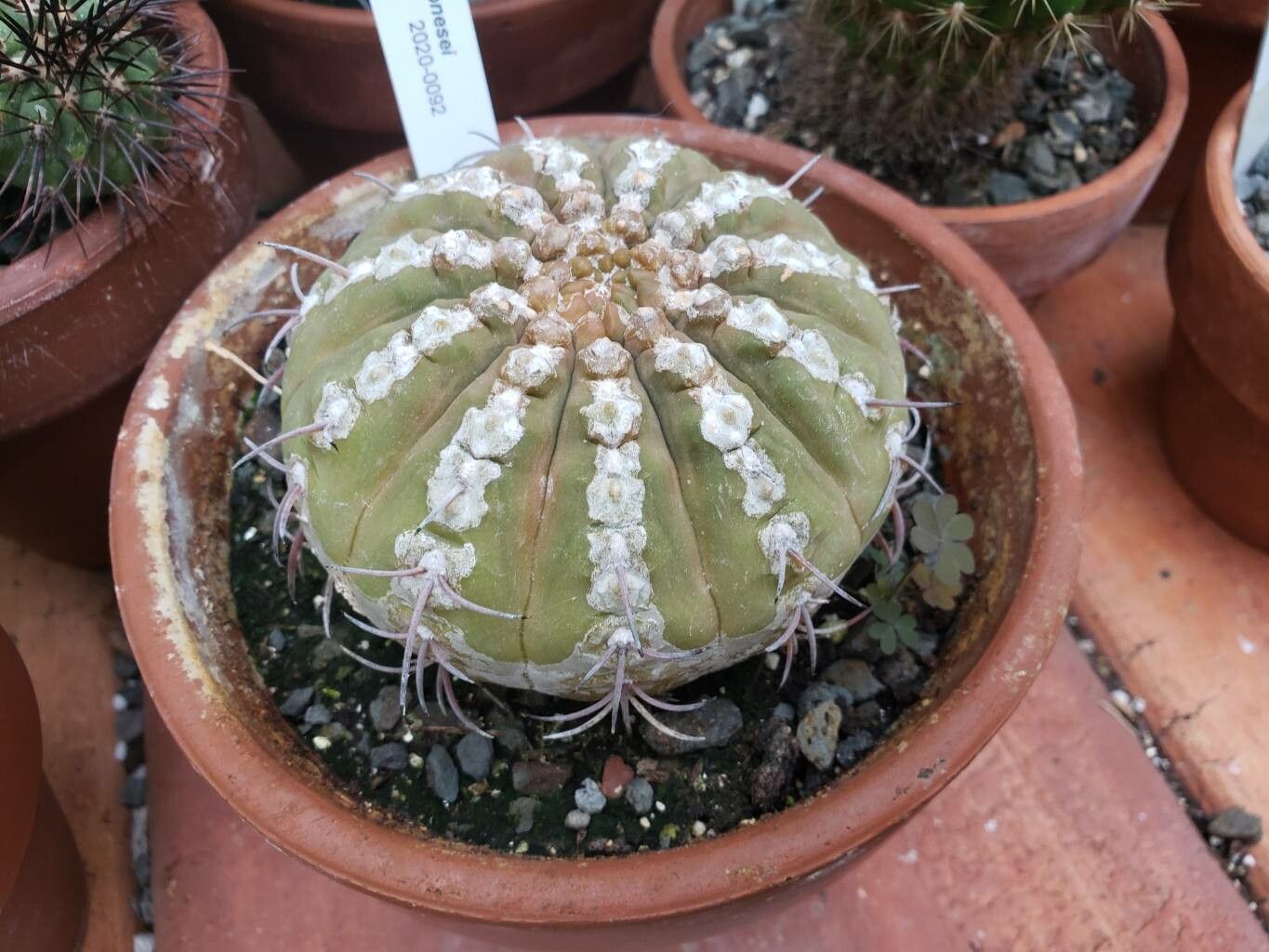
Hey there, fellow plant pals! I’m so excited to chat with you today about a rather charming cactus, Gymnocalycium ragonesei. If you’re looking for a little bit of prickly personality to brighten your windowsill, this one’s a real winner. Its plump, often ribbed bodies and lovely little flowers are just delightful. And let me tell you, propagating them is a wonderfully satisfying project. Now, is it a beginner’s dream? I’d say it’s moderately easy, leaning towards beginner-friendly once you get the hang of a couple of key things. With a little patience and this guide, you’ll be surrounded by these sweet succulents in no time.
The Best Time to Start
My personal favorite time to get my hands dirty with Gymnocalycium ragonesei propagation is during their active growing season. This typically runs from late spring through summer. The warmer temperatures and longer daylight hours really give those cuttings or offsets the best chance to root and establish themselves. You want to see new growth on your parent plant, which is a good sign it’s got energy to spare for making babies.
Supplies You’ll Need
Here’s a quick rundown of what you’ll want to have on hand:
- Well-draining cactus or succulent mix: You can buy a pre-made one, or mix your own with potting soil, perlite, and coarse sand – a 1:1:1 ratio works wonderfully.
- Sharp, sterile knife or pruning shears: Cleanliness is key to prevent disease! A swift, clean cut is best.
- Rubbing alcohol or bleach solution: For sterilizing your cutting tool.
- Rooting hormone (optional but recommended): This helps speed things along and improves success rates.
- Small pots or seed trays: With drainage holes, of course!
- Gravel or small pebbles: For top dressing if you like, or for drainage in the pots.
- A spray bottle: For gentle misting.
- Patience! This is the most important ingredient.
Propagation Methods
Gymnocalycium ragonesei is fantastic because it’s quite generous with its offspring. You’ll likely encounter two main ways to propagate them:
1. Offsets (The Easiest Way!)
Many Gymnocalycium varieties, including ragonesei, will naturally produce little baby plants, called offsets, around their base. These are like little bonus plants!
- Step 1: Gently Unearth. Carefully remove the parent plant from its pot. You might need to gently loosen the soil around the base to get a good look at the offsets.
- Step 2: Identify and Separate. Look for small, well-formed baby plants attached to the mother. Using your sterile knife or pruning shears, carefully cut or pry the offset away from the parent plant, making sure it has some roots attached if possible.
- Step 3: Let it Callus. This is crucial! Place the offset on a clean, dry surface in a bright, airy spot away from direct sun for a day or two. This allows the cut end to dry out and form a protective callus, preventing rot.
- Step 4: Plant it Up. Once callused, gently pot the offset into your well-draining cactus mix. Don’t bury it too deep; just set it in the soil so it’s stable.
- Step 5: Hold Off on Watering. It’s tempting, I know! But resist watering for about a week to 10 days after planting. This gives any tiny nicks on the root area time to heal.
2. Stem Cuttings (For the Adventurous)
If your Gymnocalycium hasn’t produced offsets, or if you want to try your hand at cuttings, this method works well.
- Step 1: Take a Clean Cut. Choose a healthy stem or segment of your plant. Using your sterile, sharp knife or shears, make a clean cut. You want a piece that is at least an inch or two long.
- Step 2: Remove Lower Spines and Leaves (if any). Carefully clear away any spines or “leaves” (glochids) that might get buried in the soil.
- Step 3: Callus, Callus, Callus! Just like with offsets, this is non-negotiable. Let the cutting dry and form a callus over the cut end for at least 3-5 days, or even up to a week. The thicker the cutting, the longer it might need.
- Step 4: Dip in Rooting Hormone (Optional). If you’re using rooting hormone, lightly dip the callused end into the powder or gel. Tap off any excess.
- Step 5: Plant it In. Place the callused end of the cutting into your prepared, dry cactus mix. You can insert it about half an inch to an inch deep for stability.
- Step 6: Patience and Minimal Watering. Again, wait a week or two before the very first light watering. You want to encourage the plant to seek out moisture.
The “Secret Sauce”
Here are a couple of tricks I’ve learned over the years that really help:
- Bottom Heat is Your Friend: Especially for cuttings. If you have a heating mat designed for propagation, placing your pots on top of it can significantly speed up root development. It mimics that consistent warmth the plant craves. Just make sure the soil itself doesn’t dry out too quickly from the heat.
- Don’t Crowd the Babies: When you plant your offsets or cuttings, give them a little breathing room. If they’re too tightly packed in a tray, it can encourage fungal issues. I like to pot them individually or give them at least an inch of space if planting in a communal pot.
- Mist Sparingly, If At All Initially: While many succulents love a light misting, for newly planted Gymnocalycium cuttings, I tend to hold back. Over-misting can invite rot before roots have a chance to form. Once you see definite signs of rooting (new growth!), you can start a very gentle watering schedule.
Aftercare & Troubleshooting
Once your little Gymnocalycium offsets or cuttings have taken root (you might even see them plump up a bit or show new growth!), you can start a gentle watering routine. Water only when the soil is completely dry, usually every 1-3 weeks depending on conditions. Gradually introduce them to brighter light, but avoid intense, direct sun until they’re well-established.
The most common issue you’ll face is rot. This usually happens when the plant is kept too wet, especially before it has roots. Signs include a mushy base, browning, or wilting that doesn’t improve with water. If you spot rot, act fast! Try to cut away the affected part with your sterile knife and let the healthy portion callus over again. Sometimes, you can salvage a piece, but it’s a tough battle. Another sign of potential trouble is no growth after several weeks. This usually means it just needs more time, or perhaps a bit more warmth.
A Encouraging Closing
See? Not so daunting, is it? Propagating Gymnocalycium ragonesei is a journey of observation and patience. Don’t get discouraged if one doesn’t make it; every gardener has their learning curve. The joy of watching a tiny offset transform into a thriving plant is truly special. So, grab your tools, find a sunny spot, and enjoy the process of bringing more of these lovely cacti into your life. Happy propagating!
Resource:
https://identify.plantnet.org/k-world-flora/species/Gymnocalycium%20ragonesei%20A.Cast./data