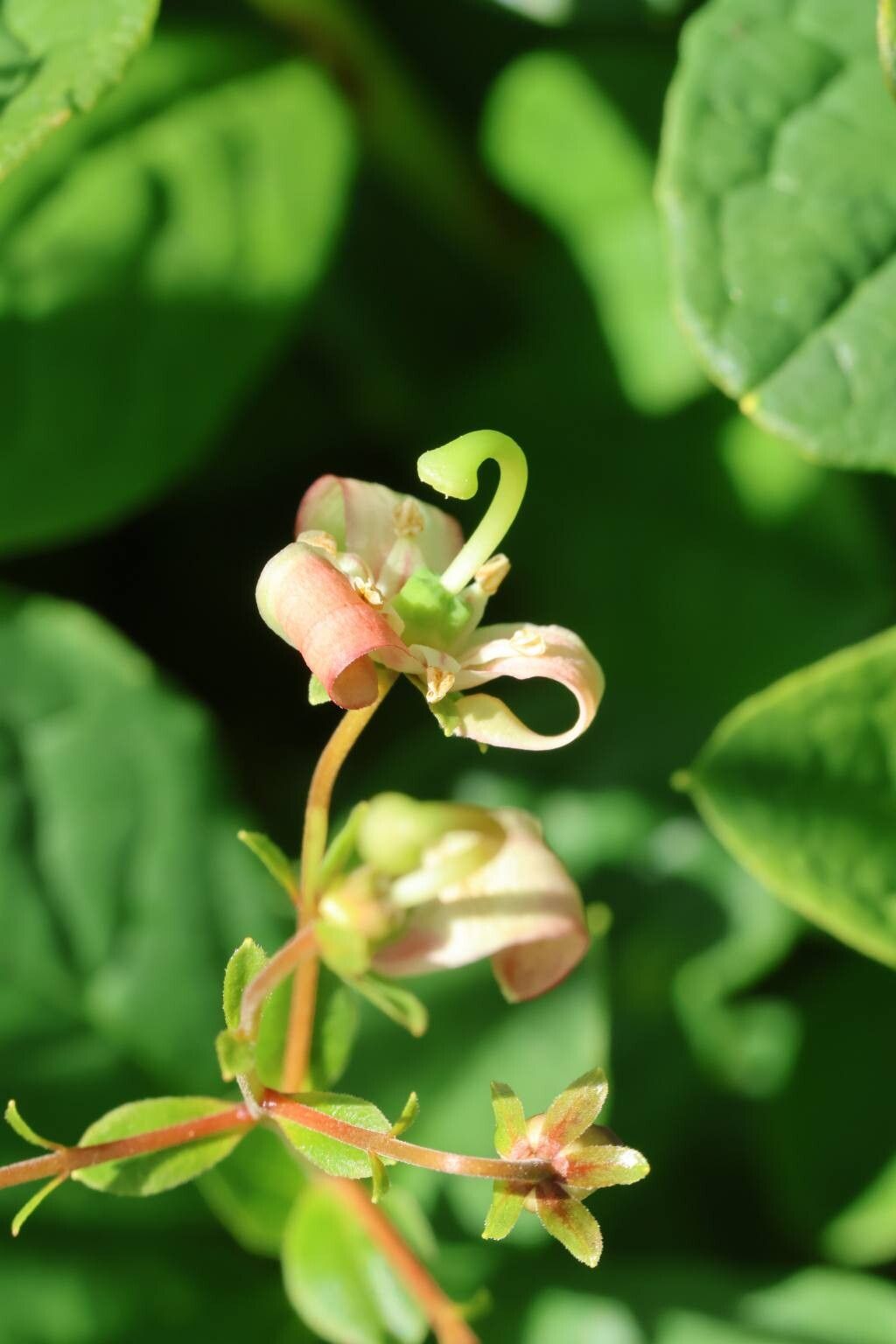
Oh, Elliottia bracteata! What a beauty. If you’ve ever admired those gorgeous, delicate white flowers cascading down its branches, you know exactly why I’m so excited to talk about bringing more of these stunners into our gardens. Propagating this particular shrub can feel a bit like unlocking a gardening secret, and believe me, the satisfaction of growing your own from scratch is immense. Now, full disclosure? Elliottia isn’t the easiest plant for absolute beginners to propagate, but with a little patience and a few key tricks, you’ll find it’s wonderfully achievable. Think of it as a rewarding challenge, not an insurmountable hurdle!
The Best Time to Start
For the highest success rate with Elliottia bracteata, you’ll want to aim for late spring to early summer. This is when the plant is actively growing, and the new shoots are still somewhat soft (known as “softwood cuttings”). Trying to propagate from old, woody stems usually yields less impressive results. You’re looking for those flexible, bright green stems that have just finished their initial flush of growth but haven’t hardened off completely.
Supplies You’ll Need
Gathering your supplies beforehand makes the whole process so much smoother. Here’s what I always have on hand:
- Sharp, clean pruning shears or a knife: For making clean cuts. Sterilize them with rubbing alcohol or a bleach solution to prevent disease.
- Rooting hormone: I like to use a powder or gel specifically formulated for softwood cuttings.
- A well-draining potting mix: A blend of equal parts perlite and peat moss is my go-to. Some growers also swear by a mix of peat and sand. The key is aeration and quick drainage.
- Small pots or trays: About 4-6 inches deep is ideal. Make sure they have drainage holes!
- A plastic bag or propagation dome: To create a humid environment for your cuttings.
- Water: For moistening your soil and misting.
- (Optional but highly recommended) A heat mat: More on this in the “Secret Sauce” section!
Propagation Methods: Stem Cuttings
This is the most common and effective way to propagate Elliottia bracteata.
- Take Your Cuttings: On a cool, cloudy day (or in the early morning), use your sterilized pruners to snip off 6-8 inch long sections of healthy, new growth. Make the cut just below a leaf node (where a leaf attaches to the stem). Remove any flower buds if present, as they’ll divert energy away from root development.
- Prepare the Cuttings: Gently remove the lower leaves from about half of the cutting. You want to expose the nodes, as this is where roots typically form. Leave just a few leaves at the top, and you can even trim these large leaves in half to reduce water loss.
- Apply Rooting Hormone: Dip the cut end of the stem into your rooting hormone, tapping off any excess. Ensure the nodes that will be buried in the soil are well-coated.
- Pot Them Up: Fill your small pots with the pre-moistened (damp, not soggy!) potting mix. Make a hole in the center with your finger or a pencil. Carefully insert the cutting, ensuring a few leaf nodes are below the soil surface. Gently firm the soil around the base of the cutting.
- Create Humidity: Water the soil gently to settle it around the cuttings. Then, cover the pot loosely with a clear plastic bag or place it under a propagation dome. This traps moisture and keeps the humidity high, which is crucial for cuttings. Ensure the leaves don’t touch the plastic! If they do, you can prop the bag up with a few stakes.
The “Secret Sauce” (Pro Tips)
Here are a few things I’ve learned over the years that really make a difference:
- Bottom Heat is Your Friend: Elliottia cuttings love warmth. Placing your pots on a gentle seedling heat mat (set to around 70-75°F or 21-24°C) significantly speeds up root formation. It mimics the warmth of spring soil and gives those little root initials a real boost.
- Misting is Key (But Don’t Drown Them!): Once covered, give the inside of the plastic bag a light misting of water every few days. Check the soil moisture by gently touching it – it should feel consistently damp, not waterlogged. Overwatering is a fast track to rot. I also like to “air out” my cuttings for about 15-30 minutes each day to prevent fungal issues.
- Patience, Dear Gardener! Elliottia can be a bit slow to root. Don’t be discouraged if you don’t see action for several weeks. I often wait 6-10 weeks, sometimes even longer, before I start to suspect rooting has occurred. Resist the urge to constantly yank them out to check!
Aftercare & Troubleshooting
Once you start seeing signs of new leaf growth at the top of the cutting, it’s a good indication that roots are forming! You can gently tug on a cutting – if there’s resistance, it’s likely rooted.
- Gradually Acclimate: Once rooted, gradually remove the plastic cover over a week or two to help the new plant adjust to normal humidity levels.
- Potting Up: When the new plant has developed a good root system (you might see roots emerging from the drainage holes), it’s time to pot it up into a slightly larger pot with a good quality potting mix. Keep it in a bright, but not direct sun, location.
- Signs of Trouble: The most common issue is rot. If the stem turns black and mushy, or the leaves start to yellow and wilt without any new growth, it’s likely rot. This is usually caused by overwatering or poor drainage. Unfortunately, rotted cuttings are usually a lost cause. If a cutting looks dry and shriveled, it may have simply dried out. You can try misting it more frequently.
A Encouraging Closing
There you have it! Propagating Elliottia bracteata is a journey, and like all good gardening endeavors, it rewards patience and observation. Don’t be discouraged if your first attempts aren’t perfect. Each cutting you take is a learning experience. So, grab your pruners, get your hands in some soil, and enjoy the magical process of coaxing new life from your beloved plants. Happy propagating!
Resource: